
 By admin
Fighting Plant Enemies: Essential Tools and Techniques for Garden Protection
Gardening can be a rewarding activity, but it comes with challenges—chief among them, protecting plants from pests, diseases, and environmental threats. Combatting these plant enemies effectively requires the right tools and techniques. This comprehensive guide explores the essential devices and implements needed to safeguard your garden. From mechanical protections to the application of pesticides and fungicides, these methods will enhance your gardening success while ensuring plant health.
Categories of Tools for Garden Protection
The tools used to fight plant enemies fall into two primary categories:
- Mechanical Protection Tools: Devices that physically shield plants from threats.
- Chemical Application Tools: Equipment for applying insecticides, fungicides, and other protective tr
 eatments.
Mechanical Protection Tools
Covered Frames for Plant Protection
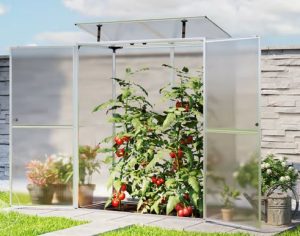
Among the most valuable tools for mechanical protection are covered frames. These structures are typically constructed from wooden boxes, measuring approximately 18 inches to 2 feet square and 8 inches high. The frames are covered with materials such as glass, protective cloth, mosquito netting, or wire mesh.
Benefits of Covered Frames:
- Retaining Heat: Glass and protective cloth covers provide insulation, making it possible to plant earlier in the season, even in cooler climates.
- Frost Protection: These covers shield young plants from unexpected frost, a common challenge in early spring.
- Versatility: Ideal for starting cucumbers, melons, and other vine vegetables earlier than the usual growing season.
Protective Collars Against Soil Pests
Cutworms and similar pests often target newly planted seedlings. A simple yet effective solution involves using collars made of stiff tin, cardboard, or tar paper. These collars are designed to encircle the plant’s stem and extend slightly into the soil, preventing pests from reaching the plant.
Chemical Application Tools
Efficiently applying insecticides and fungicides is crucial for garden maintenance. The choice of tool depends on the scale of your garden and the type of application required.
Powder Guns
Powder guns are essential for distributing powdered insecticides or fungicides. For small-scale gardens, a hand-held powder gun provides a cost-effective and efficient solution.
Compressed-Air Sprayers
For those needing a versatile tool, a compressed-air sprayer is highly recommended. These devices are used for wet sprays and can be equipped with various nozzles for different spray patterns.
Advantages of Compressed-Air Sprayers:
- Mist Nozzles: Mist-producing nozzles ensure even distribution of the spray.
- Durability: Choosing a sprayer made of brass ensures resistance to corrosion from chemicals, extending the tool’s lifespan.
- Efficiency: A single compressed-air sprayer can handle a wide range of tasks, making it ideal for medium-sized gardens.
Barrel Pumps for Extensive Gardens
For larger gardens, a barrel pump mounted on wheels is a practical choice. These pumps can cover extensive areas quickly and are often paired with extension rods for spraying taller trees and large vines.
Hand-Syringes and Tank Sprayers
For small-scale applications, a hand-syringe might suffice. However, investing in a small tank sprayer is often a better choice as it offers:
- A continuous spray stream.
- Greater capacity for holding spraying solutions.
Harvesting Implements
Harvesting tools streamline the process of gathering fruits and vegetables. While small gardens may require only basic tools like spades, prong-hoes, and spading forks, there are specialized tools for specific tasks:
Onion Harvester Attachments
The onion harvester, an attachment for the double wheel hoe, simplifies loosening onions, beets, turnips, and similar crops. It can also be used for cutting spinach efficiently.
Hand Plows for Root Vegetables
Hand plows are invaluable for loosening soil around deep-rooted vegetables like carrots and parsnips, making them easier to harvest.
Fruit Pickers for Tall Trees
For orchards with tall fruit trees, a wire-fingered fruit picker attached to a long handle is a game-changer. However, modern practices often favor low-headed trees, which eliminate the need for such tools.
Pruning Tools
Pruning is essential for maintaining healthy plants, but it requires the right tools. A sharp jack-knife and a pair of pruning shears are sufficient for most gardens if pruning is done regularly from the start.
Plant Support Systems
Supporting plants with stakes, trellises, or wires can dramatically improve their growth and productivity. Despite their importance, these tools are often overlooked. Properly stored during the off-season, these supports can last for years, contributing to both the garden’s neat appearance and the convenience of cultivation.
Tips for Selecting and Maintaining Garden Tools
When purchasing garden tools, it’s crucial to consider quality and durability. Here are some key tips:
- Thorough Research: Investigate the different tools available and select those best suited to your garden’s size and needs.
- Invest in Quality: High-quality tools and machines may have a higher initial cost but will provide reliable service for years, saving money in the long run.
- Choose Durable Materials: Opt for tools made from corrosion-resistant materials like brass or stainless steel, especially for equipment exposed to chemicals.
- Maintenance Matters: Proper care and storage of tools extend their lifespan. Clean tools after each use and store them in a dry, sheltered location.
Building a Complete Tool Set
A well-rounded collection of gardening tools doesn’t need to be purchased all at once. Start with the essentials and gradually add specialized implements as needed. Over time, this approach will equip you with everything necessary to enhance your gardening experience and improve your yield.
Conclusion
Protecting plants from enemies—be they pests, diseases, or environmental challenges—requires a combination of mechanical barriers and chemical treatments. By investing in high-quality tools and implementing best practices, gardeners can cultivate thriving plants while reducing stress and effort. From covered frames to advanced sprayers, the right tools make all the difference in achieving a healthy, productive garden. Remember, a well-maintained garden is not only a source of fresh produce but also a space of joy and satisfaction.