
 By admin
The Wonders of Cumin: A Spice Beyond Compare
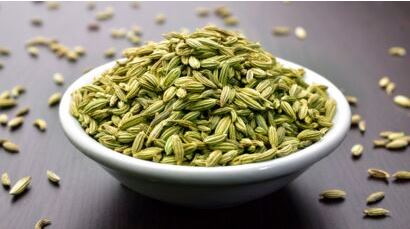
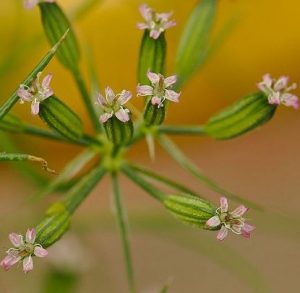
Cumin, scientifically known as Cuminum cyminum, is a small flowering plant belonging to the Apiaceae family. Native to the eastern Mediterranean and South Asia, cumin has played an essential role in culinary, medicinal, and cultural traditions for centuries. This article delves into the multifaceted nature of cumin, exploring its historical significance, culinary uses, health benefits, and cultural impact.

The Historical Roots of Cumin
Cumin has a rich and fascinating history. Archaeological evidence suggests that cumin seeds were used as early as 2000 BCE in regions such as Egypt and the Indus Valley. In ancient Egypt, cumin was prized not only as a culinary spice but also as an embalming agent. It was found in the tombs of pharaohs, signifying its importance in Egyptian culture.
In the Middle Ages, cumin gained popularity in Europe as both a seasoning and a symbol of love and fidelity. Newlyweds would carry cumin seeds during their wedding ceremonies, believing it would strengthen their bond. The spice also found its way into the medical practices of ancient Greece and Rome, where it was used to treat digestive disorders and respiratory issues.
Culinary Uses of Cumin
Cumin’s warm, earthy flavor with a hint of bitterness makes it a versatile ingredient in various cuisines. Its aromatic profile is enhanced when roasted, releasing its essential oils and intensifying its flavor. Here are some key culinary applications of cumin:
- Middle Eastern Cuisine
Cumin is a cornerstone of Middle Eastern dishes. It is a primary ingredient in spice blends like za’atar and baharat. It flavors iconic dishes such as falafel, hummus, and kebabs, lending a distinctive taste that defines the region’s culinary identity.
- Indian Cuisine
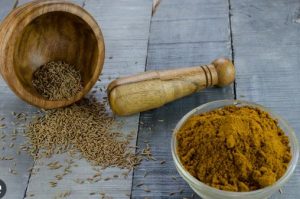
In Indian cooking, cumin is indispensable. It is used in whole or ground form in curries, rice dishes, and chutneys. As a component of garam masala and curry powders, cumin contributes to the complex flavors of Indian cuisine.
- Latin American Cuisine
Cumin is a staple in Latin American dishes, particularly in Mexican, Cuban, and Tex-Mex cooking. It flavors tacos, chili con carne, and enchiladas. Its robust flavor complements the bold spices and ingredients typical of these cuisines.
- North African Cuisine
In North African dishes like tagines and harissa, cumin is used to balance the flavors of sweet and savory ingredients. It pairs well with cinnamon, coriander, and paprika, creating depth and complexity.
- Global Applications
Beyond regional cuisines, cumin has found its way into global recipes. From soups and stews to marinades and dressings, this spice enhances flavors and adds a distinctive aroma to countless dishes.
The Nutritional Profile of Cumin
Cumin seeds are a powerhouse of nutrients. They are rich in vitamins, minerals, and antioxidants, making them a valuable addition to a balanced diet. A tablespoon of cumin seeds provides the following:
- Iron: Essential for oxygen transport in the blood.
- Calcium: Supports bone health.
- Magnesium: Aids in muscle function and energy production.
- Phosphorus: Vital for healthy bones and teeth.
- Vitamin E: Acts as an antioxidant, protecting cells from damage.
- Dietary Fiber: Promotes healthy digestion.
Health Benefits of Cumin
Cumin is more than just a flavorful spice; it offers numerous health benefits backed by scientific research. Here are some of the most notable advantages:
- Aids Digestion
Cumin stimulates the secretion of digestive enzymes, enhancing nutrient absorption and reducing bloating. It has been traditionally used to treat indigestion and flatulence in Ayurvedic and traditional Chinese medicine.
- Boosts Immunity
The antioxidants in cumin, such as flavonoids and phenolic compounds, help neutralize free radicals and reduce oxidative stress. This boosts the immune system and lowers the risk of chronic diseases.
- Supports Weight Loss
Studies suggest that cumin may aid in weight management by enhancing metabolism and reducing fat accumulation. Consuming cumin water or including it in meals can promote fat loss and improve overall body composition.
- Regulates Blood Sugar
Cumin has been shown to improve insulin sensitivity and lower blood sugar levels, making it beneficial for individuals with diabetes or those at risk of developing the condition.
- Improves Heart Health
Cumin contains anti-inflammatory and cholesterol-lowering properties, which support cardiovascular health. It helps reduce bad cholesterol (LDL) while increasing good cholesterol (HDL), thus reducing the risk of heart disease.
- Relieves Respiratory Disorders
The antimicrobial properties of cumin make it effective in treating respiratory conditions like asthma and bronchitis. It acts as a natural decongestant, easing breathing and reducing inflammation.
- Enhances Skin and Hair Health
The vitamins and antioxidants in cumin nourish the skin, reducing signs of aging and improving overall complexion. For hair health, cumin oil is used to combat dandruff and promote hair growth.
Cultural Significance of Cumin
Cumin’s influence extends beyond the kitchen. Its cultural and symbolic roles have made it an integral part of traditions worldwide:
- Symbol of Fidelity: In medieval Europe, cumin was carried by brides and grooms as a symbol of loyalty and love.
- Religious Ceremonies: Cumin has been used in religious rituals, particularly in Hindu ceremonies where it is offered to deities.
- Folk Medicine: Traditional healers across cultures have relied on cumin to treat various ailments, from digestive issues to respiratory problems.
- Modern Trends: Today, cumin is gaining popularity in wellness circles for its potential as a superfood. Its use in herbal teas, dietary supplements, and natural remedies highlights its enduring appeal.
How to Incorporate Cumin into Your Diet
Adding cumin to your diet is simple and rewarding. Here are some ideas:
- Spice Blends: Prepare homemade spice mixes like garam masala, taco seasoning, or curry powder.
- Soups and Stews: Add a teaspoon of ground cumin to enhance the flavor.
- Roasted Vegetables: Sprinkle cumin seeds over vegetables before roasting for a unique taste.
- Salad Dressings: Mix ground cumin with olive oil, lemon juice, and honey for a zesty dressing.
- Cumin Tea: Boil cumin seeds in water, strain, and enjoy as a soothing herbal tea.
Storing and Selecting Cumin
To maintain its flavor and potency, store cumin in an airtight container in a cool, dry place away from sunlight. Whole seeds retain their flavor longer than ground cumin, so it’s best to grind them fresh as needed. When purchasing cumin, choose high-quality seeds or powder from a reputable source to ensure freshness and authenticity.
Conclusion
Cumin is more than just a spice; it is a treasure trove of flavor, nutrition, and history. Its versatility in the kitchen, coupled with its numerous health benefits, makes it an indispensable ingredient in households worldwide. Whether you’re exploring new cuisines, seeking natural remedies, or simply looking to enhance your meals, cumin offers endless possibilities. Embrace this remarkable spice and discover the wonders it brings to your culinary and wellness journey.
Other