
 By admin
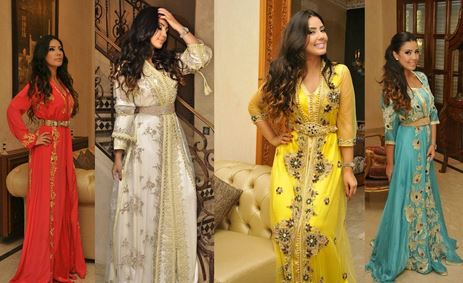
The Rich Tapestry of Moroccan Fashion: A Timeless Blend of Tradition and Modernity
Moroccan fashion stands as a testament to the country’s rich cultural history and its dynamic approach to modern trends. With its intricate designs, vibrant colors, and a deep connection to heritage, Moroccan fashion has captivated the global stage. This article explores the diverse facets of Moroccan fashion, from its traditional roots to its modern interpretations, while emphasizing its impact on the international fashion scene.
A Historical Overview of Moroccan Fashion
Moroccan fashion is deeply intertwined with the country’s history, geography, and multicultural influences. Positioned at the crossroads of Africa, Europe, and the Arab world, Morocco has absorbed a myriad of styles and techniques over centuries.
- The Kaftan and Djellaba:
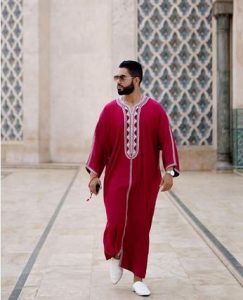
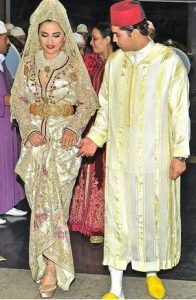
- The kaftan, a symbol of elegance, dates back to the Ottoman Empire and became a staple in Moroccan attire. Traditionally worn by women, it is celebrated for its flowing silhouette and intricate embroidery. The djellaba, on the other hand, is a unisex garment characterized by its hood and loose fit, offering comfort and modesty.
- Berber Influence:
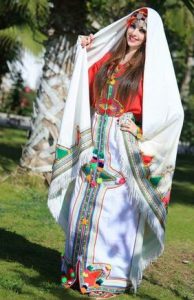
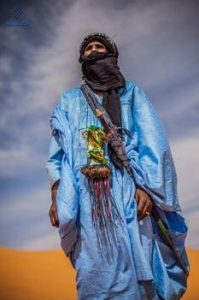
- The indigenous Amazigh (Berber) communities have significantly shaped Moroccan fashion. Their clothing is known for its vibrant colors, geometric patterns, and symbolic motifs, often seen in traditional capes, scarves, and jewelry.
- Andalusian Touch:
- During the Islamic Golden Age, the influx of Andalusian refugees introduced refined tailoring techniques and luxurious fabrics to Morocco. This influence is evident in the detailed embroidery and use of silk and brocade in Moroccan garments.
Key Elements of Traditional Moroccan Fashion
- Fabrics:
- Moroccan fashion emphasizes natural fabrics like silk, cotton, and wool. The craftsmanship involved in creating handwoven textiles, such as sabra (cactus silk) and Moroccan wool, is unparalleled.
- Embroidery and Patterns:
- Traditional garments are adorned with embroidery that reflects regional identities. Patterns often include arabesques, floral motifs, and geometric shapes, each carrying cultural significance.
- Accessories:
- Jewelry plays a vital role in Moroccan fashion. Berber jewelry, crafted from silver and semi-precious stones, is particularly iconic. Additionally, the babouche, a pointed leather slipper, completes traditional Moroccan attire.
The Modern Renaissance of Moroccan Fashion
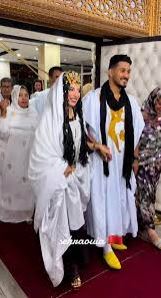
While traditional Moroccan fashion remains a cornerstone of the country’s identity, contemporary designers are reinventing it for the global stage. By blending heritage with innovation, they have carved a niche for Moroccan fashion in the international arena.
- Renowned Moroccan Designers:
- Hicham Lahlou: Known for his avant-garde designs, Lahlou reimagines traditional Moroccan motifs in modern contexts.
- Noureddine Amir: Recognized for his sculptural approach, Amir’s creations have been showcased at Paris Haute Couture Week.
- Fusion of East and West:
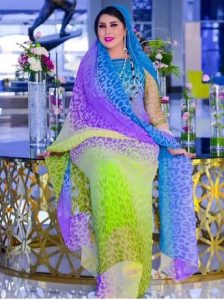
- Moroccan designers often incorporate Western silhouettes with traditional elements like embroidery, kaftans, and Moroccan fabrics. This fusion appeals to a global audience seeking unique and versatile pieces.
- Sustainability and Artisanal Craft:
- With a growing emphasis on sustainability, Moroccan fashion brands are turning to eco-friendly practices. By promoting handwoven textiles and supporting local artisans, these brands highlight the ethical dimension of Moroccan fashion.
Moroccan Fashion on the Global Stage
The global recognition of Moroccan fashion is a testament to its universal appeal. High-profile events and collaborations have propelled Moroccan designers and styles into the spotlight.
- Celebrity Endorsements:
- Celebrities like Rihanna, Beyonce, and Blake Lively have donned Moroccan-inspired outfits, bringing attention to the country’s rich fashion heritage.
- Fashion Weeks:
- Events like “Caftan du Maroc” and “Moroccan Fashion Week” showcase the best of traditional and modern Moroccan designs, attracting international designers and buyers.
- Cinema and Pop Culture:
- Moroccan fashion often features in films and music videos, where its exotic and luxurious appeal adds depth to visual storytelling.
The Role of Moroccan Fashion in Cultural Identity
Fashion in Morocco is more than aesthetics; it’s a reflection of cultural identity and pride. Traditional garments are worn during religious festivals, weddings, and other significant events, serving as a bridge between the past and present.
- Weddings:
- Moroccan weddings are a showcase of fashion grandeur. Brides often wear elaborate caftans, changing multiple times during the ceremony, each outfit more stunning than the last.
- Religious Festivals:
- Eid and other religious occasions see Moroccans adorning traditional attire, reinforcing communal bonds and cultural continuity.
Challenges and Opportunities
Despite its rich heritage, Moroccan fashion faces challenges, including the preservation of traditional craftsmanship and competition from fast fashion. However, these challenges also present opportunities.
- Preserving Artisanal Skills:
- Government initiatives and private organizations are working to sustain traditional crafts by training new generations of artisans.
- Export Potential:
- Moroccan fashion has untapped potential in the global market. By leveraging e-commerce and social media, designers can reach international customers.
- Innovation in Design:
- Young designers are experimenting with new materials and techniques, ensuring that Moroccan fashion remains relevant in a rapidly changing world.
Conclusion
Moroccan fashion is a vibrant tapestry that intertwines the threads of tradition and modernity. From the intricate embroidery of the kaftan to the innovative designs of contemporary creators, Moroccan fashion continues to inspire and enchant. As the world increasingly values authenticity and cultural diversity, Moroccan fashion stands poised to shine even brighter on the global stage.