
 By admin
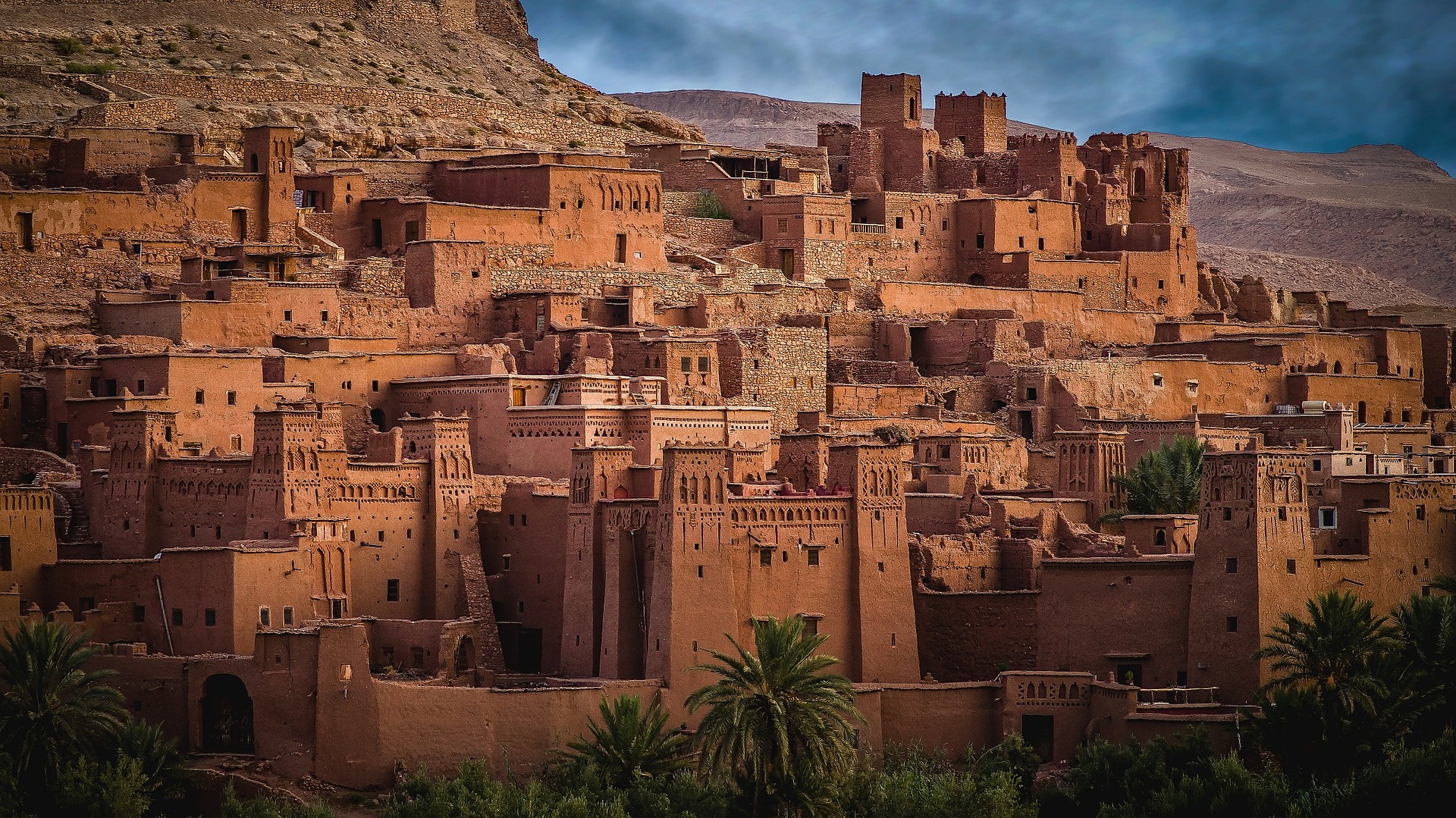
Morocco, a captivating country in North Africa, offers a unique blend of modernity and tradition. Its diverse landscapes, rich history, and vibrant culture make it a sought-after destination for travelers worldwide. From the bustling medinas to serene deserts, Morocco provides an unforgettable experience. This article explores various facets of Moroccan tourism, including its society, culture, economy, art, heritage, sports, history, landmarks, and hotels.
Society and Culture
Morocco’s society is a harmonious blend of Arab, Berber, and African influences. The Berbers, indigenous to the region, form a significant part of the population and have contributed immensely to Morocco’s cultural fabric. The Arabic language, alongside the Berber language Tamazight, is widely spoken, with French serving as a lingua franca in business and education.
Family values play a pivotal role in Moroccan society. Hospitality is deeply ingrained, and visitors are often welcomed with mint tea, a symbol of friendship and warmth. Traditional Moroccan attire, such as the djellaba and kaftan, reflects the country’s respect for modesty and cultural heritage. Festivals like Eid al-Fitr, Eid al-Adha, and the Amazigh New Year (Yennayer) showcase Morocco’s diverse cultural traditions. Additionally, Morocco celebrates various cultural festivals, such as the Rose Festival in Kalaat M’Gouna and the Moussem of Tan-Tan, which highlight the richness of local traditions and community life.
Economy and Tourism
Tourism is a cornerstone of Morocco’s economy, contributing significantly to GDP and employment. The government has implemented strategies like Vision 2020 to enhance the tourism sector. Key attractions include historical cities like Marrakesh, Fez, and Meknes, known as the imperial cities, and natural wonders such as the Atlas Mountains and the Sahara Desert.
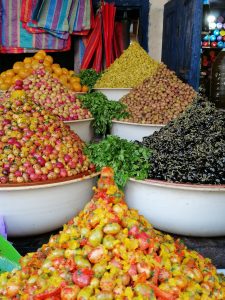
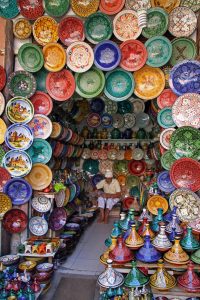
Morocco’s craftsmanship and artisanal goods are integral to its economy. Souks, or traditional markets, brim with handmade items such as rugs, ceramics, leather goods, and jewelry. These markets not only attract tourists but also sustain local artisans. The culinary tourism sector is also thriving, with Moroccan cuisine, known for dishes like tagine, couscous, and pastilla, drawing food enthusiasts from around the globe. Culinary classes and food tours are increasingly popular among visitors seeking an immersive cultural experience.
Art and Music
Moroccan art is an amalgamation of various styles influenced by Islamic, Berber, and Andalusian traditions. Zellige (mosaic tilework), wood carving, and calligraphy are prominent art forms. Moroccan architecture, exemplified in riads and mosques, reflects intricate designs and geometric patterns.
Music is an essential part of Moroccan culture. Genres such as Gnawa, Andalusian, and Chaabi music showcase the country’s musical diversity. Festivals like the Fez Festival of World Sacred Music and Mawazine Festival in Rabat celebrate both traditional and contemporary music. Gnawa music, in particular, is not only a musical genre but also a spiritual practice rooted in African and Islamic traditions. Morocco’s vibrant music scene often incorporates storytelling, poetry, and dance, creating an immersive experience for audiences.
Heritage and History
Morocco’s history dates back thousands of years, with influences from Phoenicians, Romans, Arabs, and French colonizers. The country gained independence in 1956 and has since preserved its heritage while embracing modernization. The Medina of Fez, a UNESCO World Heritage Site, is a living testament to Morocco’s rich history, with its narrow alleys, ancient mosques, and vibrant souks.
The Kasbahs, fortified villages found across Morocco, are iconic historical structures. The Kasbah of Ait Ben Haddou, another UNESCO site, has served as a backdrop for numerous films. Morocco’s heritage is also preserved in museums such as the Mohammed VI Museum of Modern and Contemporary Art in Rabat and the Dar Batha Museum in Fez. Beyond architecture, Morocco’s intangible heritage includes oral traditions, folklore, and traditional craftsmanship, which have been recognized by UNESCO.
Landmarks and Natural Wonders
Morocco is home to numerous landmarks and natural wonders. The Hassan II Mosque in Casablanca, one of the largest mosques in the world, is a marvel of modern Islamic architecture. The blue streets of Chefchaouen, a picturesque town in the Rif Mountains, provide an Instagram-worthy experience.
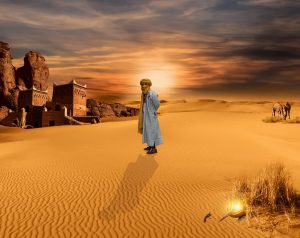
The Atlas Mountains offer opportunities for trekking and skiing, while the Sahara Desert invites adventure seekers to explore its golden dunes. Ouzoud Waterfalls and the Todra Gorge are among the country’s stunning natural attractions. The Draa Valley, known for its palm groves and traditional kasbahs, offers a serene escape for nature lovers. Coastal cities like Agadir and Tangier feature beautiful beaches, combining relaxation with vibrant city life.
Sports and Adventure
Football is the most popular sport in Morocco, with the national team achieving significant milestones on the international stage. The country also boasts a rich tradition in equestrian sports, particularly the Fantasia, a traditional horse-riding performance. Morocco has hosted major sporting events, including the African Nations Championship, showcasing its infrastructure and passion for sports.
For adventure enthusiasts, Morocco offers a variety of activities such as hiking, surfing, and camel trekking. The coastal town of Essaouira is a hotspot for windsurfing and kitesurfing, while the Dades Valley provides challenging routes for rock climbers. Hot air balloon rides over Marrakesh and quad biking in the desert are popular activities for thrill-seekers. Additionally, Morocco’s diverse landscapes make it an ideal destination for cycling tours and paragliding.
Accommodation and Hotels
Morocco’s accommodation options range from luxury hotels to traditional riads. Riads, characterized by their central courtyards and intricate designs, offer an authentic Moroccan experience. The Royal Mansour in Marrakesh and La Mamounia are among the country’s most luxurious hotels. Marrakesh also features boutique hotels that provide personalized experiences, blending luxury with Moroccan aesthetics.
Eco-lodges and desert camps provide unique stays in harmony with nature. The Scarabeo Camp in the Agafay Desert offers a blend of luxury and adventure, while the Kasbah Tamadot in the Atlas Mountains combines comfort with stunning views. Budget-friendly accommodations, including hostels and guesthouses, ensure that travelers of all budgets can enjoy their stay. Many accommodations also offer cultural activities, such as cooking classes and traditional music performances, enriching the travel experience.
Conclusion
Morocco’s tourism sector thrives on its diverse offerings, catering to history buffs, adventure seekers, and culture enthusiasts alike. The country’s commitment to preserving its heritage while embracing modernity ensures a unique travel experience. From the bustling medinas of Marrakesh to the serene dunes of the Sahara, Morocco invites visitors to discover its magic, one landmark at a time.
Whether you’re drawn to its vibrant culture, historical landmarks, or natural wonders, Morocco promises an unforgettable journey. Plan your visit to this North African gem and immerse yourself in its timeless charm. Beyond sightseeing, Morocco offers an opportunity to connect with its warm and welcoming people, whose stories and traditions add depth to every traveler’s journey.
Other
The Art of Preparation Of Rfissa