
 By admin
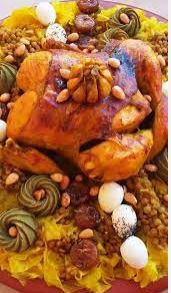
The Moroccan Rfissa: A Culinary Masterpiece with a Rich Cultural Heritage
The culinary landscape of Morocco is renowned for its intricate flavors, diverse ingredients, and centuries-old traditions. Among its many iconic dishes, the Moroccan Rfissa holds a special place. This hearty and aromatic dish, often prepared for special occasions, exemplifies the essence of Moroccan hospitality and culinary artistry. In this article, we delve into the history, preparation, and cultural significance of Rfissa, a dish that truly captures the soul of Moroccan cuisine.
The Origins of Rfissa
Rfissa is deeply rooted in Moroccan traditions, particularly in rural and agricultural communities. It is believed to have originated in the countryside, where farmers and shepherds used local ingredients to create nourishing meals. Over time, Rfissa evolved into a dish that transcends social and regional boundaries, becoming a staple of Moroccan celebrations.
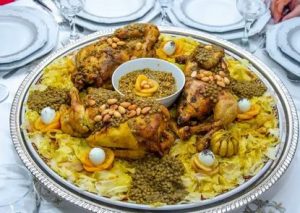
Traditionally, Rfissa is prepared to mark significant life events, such as childbirth, weddings, or religious holidays. It is also commonly served during the postpartum period, as it is thought to provide strength and nourishment to new mothers. This cultural association underscores the dish’s importance in fostering familial and community bonds.
Key Ingredients and Flavor Profile
Rfissa is a dish that harmoniously combines simple ingredients with a complex array of spices to create a flavor profile that is both comforting and sophisticated. The key components of Rfissa include:
- Trid: Thin, hand-rolled sheets of dough, often shredded into small pieces. These flaky pieces form the base of the dish and are traditionally made from semolina or white flour. Some modern variations may use store-bought msemen or rghaif as a convenient alternative.
- Chicken: Free-range chicken, often referred to as “beldi chicken” in Morocco, is preferred for its rich flavor. The chicken is typically slow-cooked to achieve tenderness.
- Fenugreek: A signature ingredient in Rfissa, fenugreek seeds impart a unique, slightly bitter taste that balances the dish’s richness. This spice is also lauded for its health benefits, particularly its role in aiding digestion and boosting energy.
- Onions: Caramelized onions add sweetness and depth to the dish.
- Spices: The hallmark of Moroccan cuisine is its masterful use of spices, and Rfissa is no exception. A blend of saffron, turmeric, ginger, and cinnamon creates a warm and aromatic base. Ras el hanout, a traditional Moroccan spice mix, may also be added for an extra layer of complexity.
- Lentils: These legumes enhance the dish’s nutritional value while contributing texture and earthiness.
- Broth: The slow-simmered broth ties all the elements together, absorbing the flavors of the chicken, onions, and spices.
The Art of Preparation
Preparing Rfissa is a labor of love that requires patience and attention to detail. Here is a step-by-step guide to making this iconic dish:
Step 1: Preparing the Trid
Traditionally, the trid is made by rolling out dough into thin sheets and cooking them on a flat griddle. Once cooked, the sheets are shredded into small pieces. For those short on time, pre-made msemen or rghaif can be substituted.
Step 2: Cooking the Chicken and Broth
The chicken is marinated with a blend of spices, including saffron, turmeric, and ginger. In a large pot, the chicken is browned with onions and olive oil. Water is then added to create a flavorful broth, and the mixture is left to simmer over low heat. Fenugreek seeds and lentils are added midway through the cooking process.
Step 3: Assembling the Dish
Once the chicken is tender and the broth is infused with aromatic spices, the dish is assembled. The trid is arranged on a large serving platter, and the chicken is placed on top. The lentils and broth are poured generously over the trid, allowing it to soak up the flavors.
Cultural Significance of Rfissa
Rfissa is more than just a dish; it is a symbol of Moroccan hospitality and togetherness. Its preparation and serving are often communal activities, bringing family members together in the kitchen and around the dining table. The dish is typically served on a large communal platter, encouraging diners to share and connect.
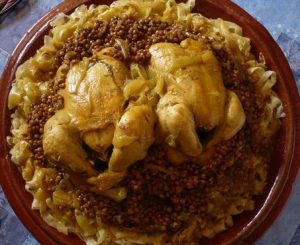
In Moroccan culture, food plays a central role in celebrations and rituals. Rfissa is particularly associated with the celebration of childbirth, where it is believed to provide essential nutrients to new mothers. The inclusion of fenugreek in the recipe is no coincidence, as this spice is traditionally used in herbal remedies to promote lactation and recovery.
Moreover, the act of preparing Rfissa reflects the values of care and generosity. It is a dish that requires time, effort, and a deep understanding of flavors, making it a heartfelt offering to loved ones.
Health Benefits of Rfissa
In addition to its rich taste and cultural significance, Rfissa boasts several health benefits:
- Nutrient-Dense: The combination of chicken, lentils, and spices makes Rfissa a well-rounded meal that is high in protein, fiber, and essential vitamins.
- Digestive Aid: Fenugreek and ginger, key ingredients in Rfissa, are known for their digestive properties. Fenugreek, in particular, helps reduce bloating and improve gut health.
- Immune-Boosting: The use of saffron and turmeric contributes to the dish’s anti-inflammatory and antioxidant properties, supporting overall health.
- Energy-Enhancing: The dish’s hearty composition provides long-lasting energy, making it ideal for celebrations or recovery periods.
Rfissa in Modern Times
While Rfissa remains a traditional dish, it has also found a place in modern Moroccan households and even international kitchens. Chefs and home cooks alike experiment with variations, incorporating new ingredients or adapting the recipe for different dietary preferences. For example, vegetarian versions replace chicken with mushrooms or chickpeas, while gluten-free adaptations use rice paper or gluten-free flatbreads.
The dish has also gained popularity among food enthusiasts worldwide, thanks to the growing appreciation for Moroccan cuisine. It is often featured in culinary festivals, cooking classes, and online food blogs, introducing its rich flavors to new audiences.
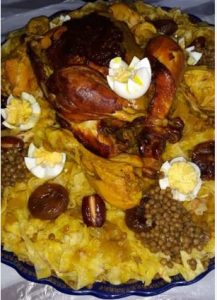
Tips for Making the Perfect Rfissa
- Use Quality Ingredients: Opt for fresh, organic chicken and high-quality spices to enhance the dish’s flavor.
- Don’t Rush the Process: Rfissa is best when cooked slowly, allowing the flavors to meld and develop.
- Balance the Spices: Achieving the right balance of spices is crucial. Start with small quantities and adjust to taste.
- Serve Fresh: Rfissa is best enjoyed fresh, as the trid absorbs the broth’s flavors and becomes more tender.
Conclusion
The Moroccan Rfissa is a testament to the country’s rich culinary heritage and cultural traditions. Its intricate preparation, robust flavors, and deep-rooted symbolism make it a dish that transcends the boundaries of food, serving as a medium for connection and celebration. Whether enjoyed in a traditional Moroccan home or a modern international setting, Rfissa remains a cherished culinary masterpiece that embodies the heart and soul of Moroccan cuisine.
For anyone looking to explore the flavors of Morocco, Rfissa is an excellent starting point. Its unique combination of ingredients and timeless appeal ensures that it will continue to be celebrated and enjoyed for generations to come.