
 By admin
Perch Fish: A Comprehensive Guide to a Remarkable Species
The perch fish, a widely recognized freshwater species, has captivated the interest of anglers, scientists, and culinary enthusiasts for centuries. Known for its distinctive appearance, adaptability, and ecological significance, the perch holds a prominent place in aquatic ecosystems and human culture. This article delves into the fascinating world of the perch, exploring its characteristics, habitat, behavior, and its importance in various domains.
Physical Characteristics of Perch Fish
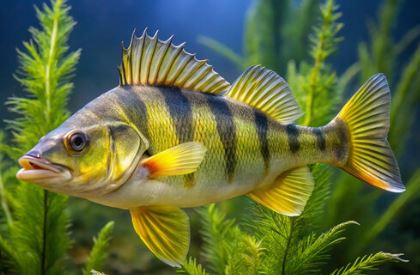
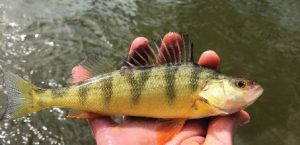
Perch fish are renowned for their striking appearance and robust build. The most common species, including the European perch (Perca fluviatilis) and the yellow perch (Perca flavescens), share several physical traits. These fish typically have elongated bodies covered in rough, ctenoid scales. Their coloration varies by species, but many perch are adorned with golden-yellow or olive-green hues, accented by vertical black stripes running along their sides. This distinctive pattern provides effective camouflage against predators.
Another notable feature of the perch is its dorsal fin, which is divided into two sections. The first section is spiny, providing a defense mechanism, while the second is soft-rayed, aiding in propulsion. Their sharp, tooth-like structures in the mouth allow them to efficiently catch and consume prey.
Adult perch generally range in size from 10 to 25 cm (4 to 10 inches) in length, though some individuals can grow larger under favorable conditions. Their weight typically varies between 0.2 to 1.5 kg (0.4 to 3.3 lbs), depending on the species and habitat.
Habitat and Distribution
Perch fish are highly adaptable and inhabit a wide range of freshwater environments. They are commonly found in rivers, lakes, ponds, and reservoirs across the Northern Hemisphere. The European perch is native to Europe and parts of Asia, while the yellow perch is widespread in North America. These fish thrive in temperate climates and prefer water temperatures ranging from 10 to 22°C (50 to 72°F).
Perch often favor areas with abundant vegetation, submerged structures, or rocky substrates, which offer shelter and opportunities to ambush prey. They are versatile in their choice of habitat, capable of adapting to both clear and murky waters. This adaptability has contributed to their success as a species and their introduction into non-native regions, where they have established stable populations.
Behavior and Diet
Perch fish are primarily carnivorous and exhibit opportunistic feeding behavior. Their diet consists of small fish, crustaceans, insects, and zooplankton. Juvenile perch tend to feed on plankton and small invertebrates, while adults target larger prey. This dietary flexibility ensures their survival in diverse aquatic ecosystems.
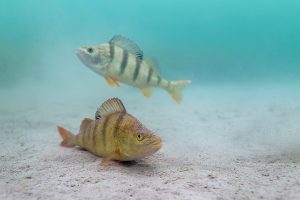
Perch are social creatures and often form schools, particularly during their juvenile stage. Schooling behavior provides safety in numbers and increases foraging efficiency. As they mature, perch may become more solitary, especially during the spawning season.
Spawning typically occurs in spring when water temperatures rise to 7 to 15°C (45 to 59°F). Female perch lay thousands of eggs in long, gelatinous ribbons that adhere to aquatic vegetation or other submerged structures. These eggs hatch within a week, releasing larvae that quickly integrate into the ecosystem’s food web.
Ecological Importance of Perch
Perch play a vital role in freshwater ecosystems. As both predators and prey, they contribute to the balance of aquatic food chains. By consuming small fish and invertebrates, perch help regulate populations of these species, preventing overpopulation and maintaining ecological stability.
Additionally, perch serve as a food source for larger predators, including pike, herons, and otters. Their presence in an ecosystem indicates healthy water quality, as perch are sensitive to pollution and habitat degradation.
Perch in Recreational Fishing
Perch are highly valued by anglers for their accessibility, fighting spirit, and culinary appeal. Recreational fishing for perch is popular across Europe and North America, with many anglers drawn to the challenge of catching these feisty fish.
Techniques for catching perch vary but often include the use of lightweight tackle, live bait such as worms or minnows, and artificial lures like spinners and jigs. Perch are known for their aggressive strikes and tenacious resistance, making them a rewarding catch for novice and experienced anglers alike.
Many fishing tournaments and events celebrate the pursuit of perch, fostering community engagement and promoting sustainable fishing practices. Catch-and-release programs are also encouraged to preserve perch populations and ensure their long-term availability for future generations.
Culinary Significance of Perch
Perch fish are prized for their mild, delicate flavor and flaky texture, making them a favorite choice in culinary traditions around the world. Their versatility allows for various cooking methods, including grilling, frying, baking, and poaching.
In Europe, perch is often featured in classic dishes such as perch fillets sautéed in butter and herbs. In North America, yellow perch is a staple in fish fries, where it is battered and deep-fried to perfection. The high protein content and low fat levels of perch make it a nutritious and health-conscious option for seafood lovers.
Conservation and Challenges
While perch populations are generally stable, they face threats from habitat loss, pollution, and overfishing in some regions. The introduction of invasive species can also disrupt perch ecosystems, leading to competition for resources and altered food webs.
Conservation efforts focus on maintaining clean waterways, enforcing fishing regulations, and monitoring perch populations. Public awareness campaigns and community-led initiatives play a crucial role in preserving these fish and their habitats.
Interesting Facts About Perch Fish
- Perch have an exceptional sense of vision, allowing them to detect prey even in low-light conditions.
- The European perch can live up to 20 years in optimal conditions, making it one of the longer-lived freshwater fish.
- Perch are known for their ability to adapt to varying environmental conditions, including salinity changes in brackish waters.
- They are one of the few fish species that exhibit schooling behavior throughout much of their life cycle.
- Perch eggs are a valuable food source for many aquatic and terrestrial animals, including amphibians and birds.

Conclusion
The perch fish is a remarkable species that embodies adaptability, ecological significance, and culinary value. From its striking appearance and fascinating behavior to its vital role in freshwater ecosystems, the perch continues to capture the admiration of people worldwide. Whether you are an angler seeking the thrill of the catch or a culinary enthusiast exploring new flavors, the perch offers something for everyone.
By fostering sustainable practices and protecting aquatic habitats, we can ensure the continued prosperity of perch populations. This resilient and versatile fish serves as a reminder of the beauty and complexity of our natural world, inspiring us to cherish and conserve the ecosystems they inhabit.