
 By admin
The Bear and the Polar Bear: An In-Depth Exploration
Bears are among the most fascinating creatures in the animal kingdom. With their immense size, remarkable strength, and diverse habitats, they capture the imagination of both researchers and wildlife enthusiasts. Among the various species of bears, the polar bear stands out due to its unique adaptations to the Arctic environment. In this article, we will delve into the world of bears in general, with a particular focus on the polar bear, highlighting their habitats, diets, behaviors, and conservation status.
General Characteristics of Bears
Bears belong to the family Ursidae, which comprises eight species spread across various continents. These species include the brown bear (Ursus arctos), American black bear (Ursus americanus), and the giant panda (Ailuropoda melanoleuca), among others. Bears are generally large mammals with stocky bodies, strong limbs, and shaggy fur. Despite their bulky appearance, they are surprisingly agile and can climb, swim, and run efficiently.
Habitat
Bears inhabit a wide range of environments, from dense forests and mountainous regions to tundras and grasslands. Each species has adapted to its unique environment. For instance, the brown bear can be found in North America, Europe, and Asia, thriving in diverse habitats such as alpine meadows and coastal areas. The giant panda, on the other hand, is restricted to bamboo forests in China.
Diet
Most bear species are omnivorous, feeding on a variety of foods such as fruits, nuts, insects, and small mammals. However, some species have specialized diets. For example, the giant panda’s diet consists almost entirely of bamboo, while the polar bear primarily preys on seals.
Behavior
Bears are generally solitary animals, except during mating season or when a mother is raising her cubs. They are known for their hibernation behavior, particularly in colder climates. During hibernation, a bear’s metabolic rate slows significantly, allowing it to survive on stored body fat for months.
The Polar Bear: A Closer Look
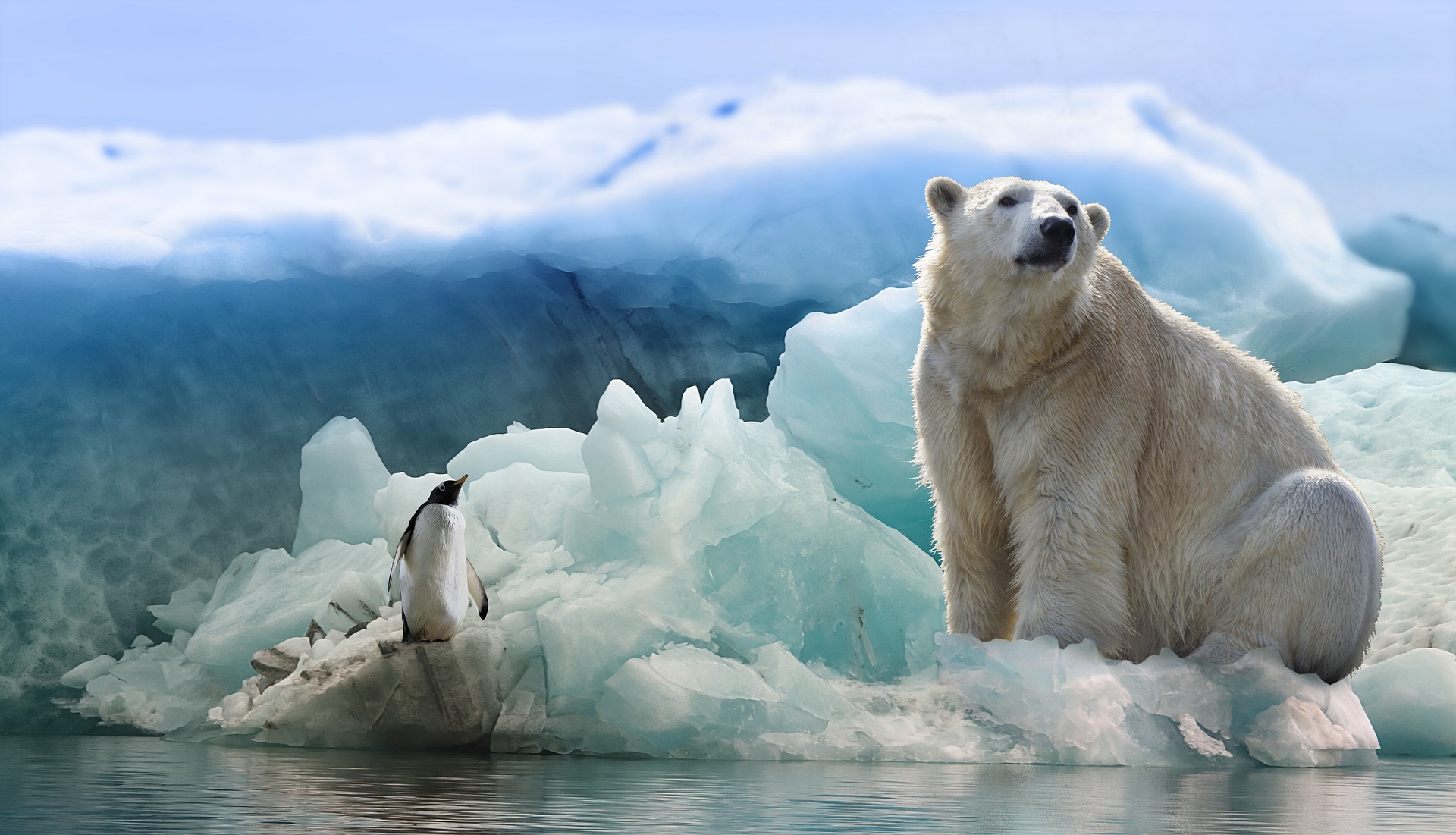
The polar bear (Ursus maritimus) is a remarkable species adapted to life in the Arctic. Often referred to as the “king of the Arctic,” it is the largest land carnivore on Earth. Polar bears are distinct from other bear species in several key ways.
Physical Characteristics
Polar bears have a thick layer of fat beneath their skin and a dense coat of fur, which helps them retain heat in freezing temperatures. Their fur appears white, providing excellent camouflage against the snow and ice, but it is actually translucent. Beneath their fur, their skin is black, which absorbs and retains heat from the sun.
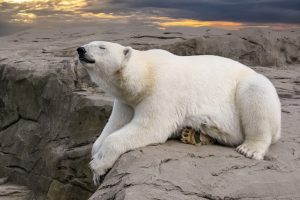
Their large paws are specially adapted for swimming and walking on ice. The pads of their paws have small, soft bumps called papillae, which provide grip on slippery surfaces.
Habitat and Range
Polar bears are native to the Arctic Circle, encompassing areas such as Canada, Alaska, Greenland, Russia, and Norway. They depend on sea ice as a platform for hunting seals, their primary food source. However, due to climate change, the extent of Arctic sea ice has been diminishing, significantly impacting polar bear habitats.
Diet and Hunting Strategies
As hypercarnivores, polar bears rely almost entirely on a meat-based diet. Seals, particularly ringed and bearded seals, make up the bulk of their diet. Polar bears are skilled hunters, often waiting by seal breathing holes or breaking through ice to access their prey. They also scavenge carcasses and, when necessary, consume berries and vegetation.
Reproduction and Cubs
Polar bears typically mate during the spring, and females give birth to one to three cubs in winter dens. The cubs are born blind and weigh less than a kilogram. They remain in the den for several months, nursing on their mother’s milk, which is extremely rich in fat. Once they emerge, the mother continues to care for them, teaching them survival skills until they are about two years old.
Threats and Conservation
The polar bear is classified as a vulnerable species by the International Union for Conservation of Nature (IUCN). The primary threat to their survival is climate change, which causes the loss of sea ice, their essential hunting platform. As sea ice diminishes, polar bears are forced to travel longer distances and expend more energy to find food, leading to decreased survival rates.
Other threats include oil and gas exploration, pollution, and potential conflicts with humans as they venture closer to settlements in search of food.
Conservation Efforts
Numerous organizations and governments are working to protect polar bears and their habitats. Key conservation strategies include:
- Addressing Climate Change: Reducing greenhouse gas emissions is crucial to slowing the loss of Arctic sea ice.
- Protecting Habitats: Establishing protected areas and minimizing industrial activities in the Arctic can help preserve critical habitats.
- Research and Monitoring: Studying polar bear populations and behaviors helps inform conservation policies.
- Public Awareness: Educating people about the impacts of climate change and the importance of polar bears in the Arct
 ic ecosystem encourages global action.
Conclusion
Bears, with their diverse species and fascinating adaptations, are vital components of their ecosystems. The polar bear, in particular, serves as a symbol of the challenges posed by climate change. By understanding and addressing the threats they face, we can work toward ensuring the survival of these magnificent creatures. Protecting bears not only safeguards biodiversity but also helps maintain the balance of ecosystems they inhabit, benefiting the planet as a whole.