
 By admin
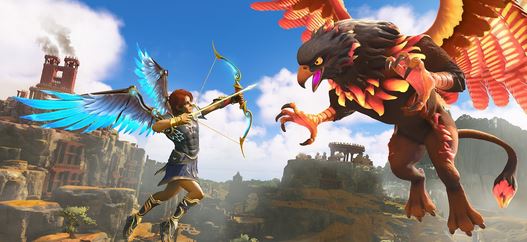
The Immortal Phoenix: A Symbol of Renewal and Resilience
The phoenix, a mythical bird known for its ability to rise from its own ashes, has captivated human imagination for millennia. Rooted in ancient folklore, the phoenix symbolizes renewal, immortality, and resilience. Across various cultures, this legendary creature has been celebrated as a beacon of hope and transformation. In this article, we will delve deep into the origins, symbolism, and cultural significance of the phoenix, shedding light on why this legendary bird continues to inspire humanity.

Origins of the Phoenix Myth
The origins of the phoenix myth can be traced back to ancient civilizations. The earliest known references come from Egyptian mythology, where the bird was known as the Bennu. The Bennu, often depicted as a heron, was associated with the sun god Ra and represented creation, renewal, and the cycle of life and death. The Greeks later adopted and adapted this myth, giving us the phoenix we recognize today. According to Greek mythology, the phoenix was a magnificent bird, often described as having vibrant plumage of gold and crimson. It lived for several centuries before burning itself on a pyre and rising anew from the ashes.
Similarly, the phoenix appears in Persian mythology as the Simurgh, a benevolent bird associated with wisdom and healing. In Chinese culture, the phoenix, or Fenghuang, is considered an emblem of virtue and grace. Unlike its Western counterpart, the Fenghuang is often depicted as a pair—one male and one female—representing balance and harmony.
Symbolism of the Phoenix
The phoenix’s ability to regenerate makes it a powerful symbol of resilience and transformation. Its cyclical nature mirrors the human experience of overcoming adversity and emerging stronger. The bird’s fiery death and subsequent rebirth are often interpreted as a metaphor for personal growth, renewal, and the indomitable human spirit.

In alchemy, the phoenix represents the process of purification and transformation, aligning with the quest for the philosopher’s stone. The bird’s ashes were believed to contain magical properties, further emphasizing its connection to rebirth and immortality.
The phoenix also symbolizes eternity and the unending cycle of life and death. In Christianity, it is seen as a representation of Christ’s resurrection, embodying the triumph of life over death. In a broader spiritual context, the phoenix serves as a reminder of the potential for renewal and the infinite possibilities that arise from starting anew. !!!
Cultural Depictions of the Phoenix
The phoenix has left its mark on art, literature, and popular culture across the globe. Ancient texts, such as Herodotus’s “Histories,” describe the bird’s legendary qualities. Roman poets like Ovid and Claudian celebrated the phoenix in their works, emphasizing its beauty and immortality.
In medieval literature, the phoenix was often used as a Christian allegory, symbolizing resurrection and divine grace. Dante Alighieri referenced the phoenix in his epic poem “The Divine Comedy,” likening its rebirth to the soul’s purification in Purgatory.
The phoenix’s influence extends to modern literature and media as well. From J.K. Rowling’s “Harry Potter” series, where Fawkes the phoenix aids the protagonist, to animated films like Disney’s “Mulan,” where the phoenix represents honor and protection, this mythical bird continues to captivate audiences.
Scientific and Psychological Parallels
Though the phoenix is a mythical creature, its themes of renewal and resilience find parallels in the natural world. Certain species, like the fire-adapted trees of Australia’s bushlands, thrive after devastating wildfires. These natural phenomena echo the phoenix’s ability to emerge stronger after destruction.
Psychologically, the phoenix serves as a powerful metaphor for personal growth and recovery. It reminds individuals that setbacks and failures are not endpoints but opportunities for transformation. This symbolism is particularly relevant in discussions about mental health and resilience, where the ability to rise from adversity is celebrated as a hallmark of strength.
The Phoenix in Modern Culture
Today, the phoenix continues to resonate as a universal symbol of hope and renewal. It appears in company logos, tattoos, and motivational speeches, embodying the idea of overcoming challenges and starting fresh. During times of global crises, the phoenix often emerges as a symbol of collective resilience and the human capacity to rebuild and adapt.
For example, after the devastating events of World War II, many nations adopted the phoenix as a symbol of recovery and reconstruction. Similarly, in the wake of personal or societal tragedies, individuals and communities turn to the phoenix as a source of inspiration and strength.
Lessons from the Phoenix
The story of the phoenix offers timeless lessons for humanity. It teaches us to embrace change, view challenges as opportunities for growth, and recognize the cyclical nature of life. The phoenix reminds us that endings are not final but rather the beginning of something new and potentially greater.
Moreover, the phoenix encourages resilience in the face of adversity. Whether in personal struggles or collective hardships, the bird’s journey from ashes to rebirth serves as a powerful testament to the enduring human spirit. By embodying the phoenix’s qualities, we can navigate life’s challenges with grace and determination.

Conclusion
The phoenix, with its radiant plumage and legendary ability to rise from its own ashes, remains one of the most enduring symbols of renewal and resilience. Its story transcends cultural boundaries, offering hope and inspiration to people across the world. As a metaphor for transformation and the triumph of life over death, the phoenix continues to shine brightly in the collective imagination.
In a world often marked by challenges and uncertainties, the phoenix reminds us of our capacity for renewal and our ability to rise stronger from the trials we face. By embracing the spirit of the phoenix, we can transform obstacles into opportunities and find beauty in new beginnings. Indeed, like the immortal bird, we too can rise from the ashes and soar toward a brighter future.