
 By admin
The Eiffel Tower: An Icon of Architectural Brilliance
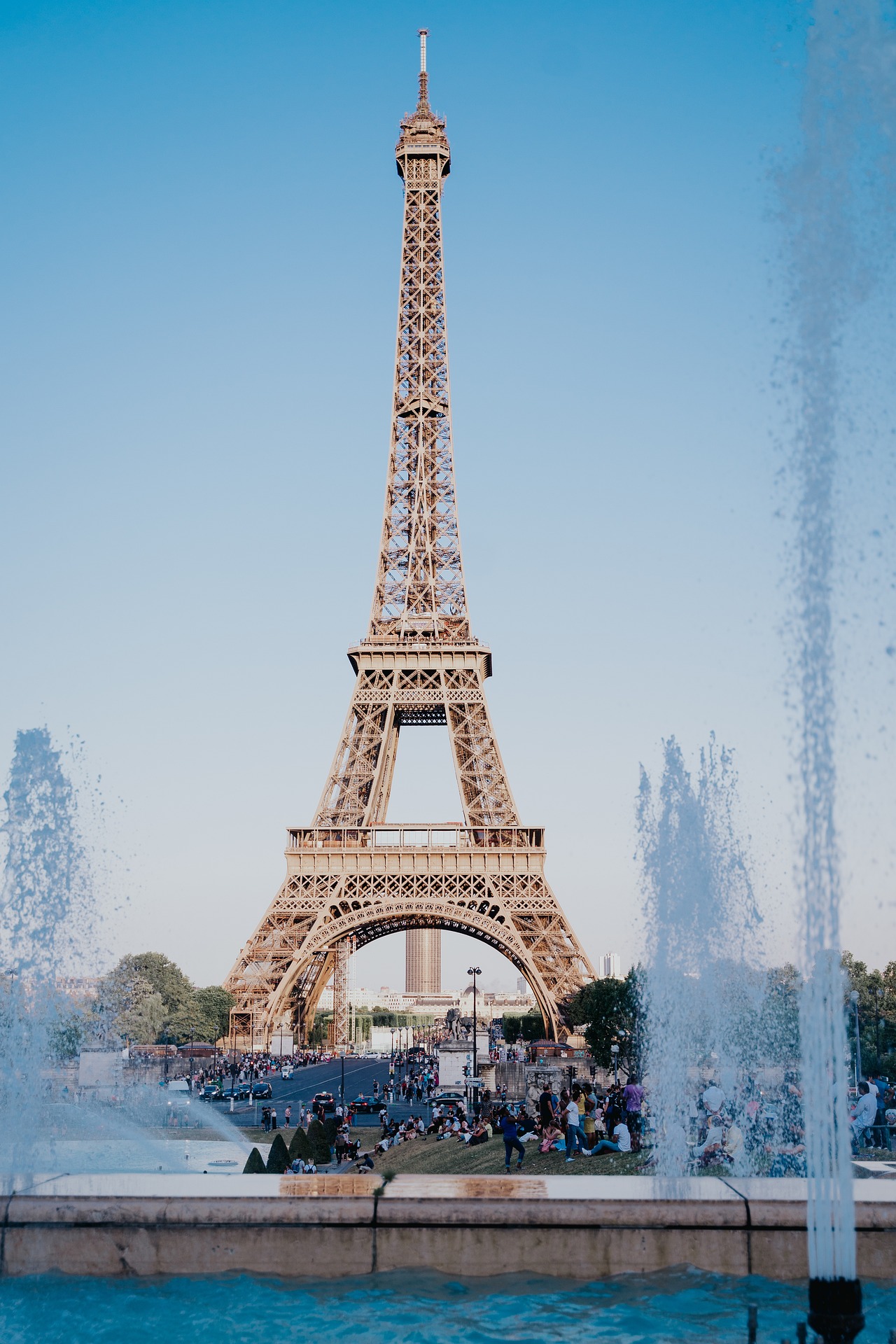
The Eiffel Tower, a monumental structure in Paris, France, is one of the most recognized and visited landmarks in the world. Its unique design, historical significance, and cultural impact have solidified its place as a global icon. Erected in the late 19th century, the Eiffel Tower continues to attract millions of visitors each year, making it a testament to human ingenuity and creativity.
Historical Background
The Eiffel Tower was constructed as the centerpiece for the 1889 Exposition Universelle, a world fair held in Paris to commemorate the 100th anniversary of the French Revolution. Designed by Gustave Eiffel, a prominent French engineer, and his company, the tower was intended to showcase France’s technological and engineering prowess.
Despite initial opposition from prominent artists and intellectuals who criticized its modern aesthetic, the Eiffel Tower was completed in just over two years. When it was unveiled, it stood as the tallest man-made structure in the world at 324 meters (1,063 feet), a record it held until the completion of the Chrysler Building in New York in 1930.
Architectural Design
The Eiffel Tower is a masterpiece of wrought-iron lattice construction. Its design features an open framework that minimizes wind resistance while maximizing structural stability. The tower consists of three levels, each accessible by elevators or stairs. The first and second levels house restaurants and shops, while the third level offers an observation deck with breathtaking panoramic views of Paris.
The tower’s construction involved 18,038 individual iron parts held together by over 2.5 million rivets. Gustave Eiffel’s innovative approach to engineering, including the use of mathematical precision in its design, ensured that the tower could withstand strong winds and other environmental factors. Today, the Eiffel Tower remains a symbol of architectural and engineering excellence.
Cultural Significance
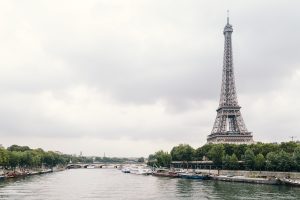
Over the years, the Eiffel Tower has become synonymous with Paris and France as a whole. It is a popular motif in art, literature, film, and photography, often symbolizing romance and sophistication. The tower’s sparkling lights, which illuminate the Parisian skyline each evening, add to its charm and allure.
The Eiffel Tower has also been a site of significant historical events. During World War II, French resistance fighters famously cut the tower’s elevator cables to prevent its use by German forces. More recently, the tower has been used to host various cultural and sporting events, including light shows and art installations.
Tourism and Economic Impact
As one of the most visited monuments globally, the Eiffel Tower plays a crucial role in Paris’s tourism industry. Annually, it attracts around 7 million visitors, with over 300 million people having visited since its inauguration. The tower generates significant revenue through ticket sales, merchandise, and events, contributing to the local economy.
Visitors can explore the tower’s three levels, each offering unique experiences. The first level features a glass floor, providing a thrilling perspective of the structure below. The second level offers fine dining at the Michelin-starred restaurant Le Jules Verne, while the third level provides a breathtaking 360-degree view of Paris, including landmarks such as the Louvre, Notre Dame Cathedral, and the Seine River.
Environmental Initiatives
In recent years, the Eiffel Tower has embraced sustainability and environmental responsibility. Energy-efficient LED lights illuminate the tower, reducing its carbon footprint. Additionally, solar panels, wind turbines, and a rainwater collection system have been installed to promote green energy and resource conservation.
These initiatives align with global efforts to combat climate change and demonstrate how historic landmarks can adapt to modern environmental challenges without compromising their historical integrity.
The Eiffel Tower in Modern Media
The Eiffel Tower continues to inspire artists, writers, and filmmakers worldwide. It has appeared in countless movies, books, and advertisements, often symbolizing Paris’s allure and charm. From romantic comedies to action-packed thrillers, the tower serves as a versatile backdrop that captivates audiences.
In addition to its representation in media, the Eiffel Tower has a strong presence on social media platforms. Tourists frequently share photos and videos of their experiences, further enhancing its global visibility and appeal. Hashtags like #EiffelTower and #TourEiffel trend regularly, showcasing the tower’s enduring popularity.
Challenges and Preservation
Maintaining a structure as iconic and complex as the Eiffel Tower is no small feat. Regular inspections and renovations are carried out to ensure its safety and longevity. The iron structure is repainted every seven years to protect it from rust and corrosion, a process that requires over 60 tons of paint.
Security measures have also been enhanced in recent years to protect visitors and the monument itself. Perimeter fences, surveillance systems, and increased police presence have been implemented to ensure a safe and enjoyable experience for all.
Fun Facts About the Eiffel Tower
- Temporary Construction: Originally, the Eiffel Tower was intended to be dismantled after 20 years. However, its usefulness as a radio transmission tower helped secure its preservation.
- Color Changes: The tower has been repainted several times in different shades, including red, yellow, and brown. Its current color, known as “Eiffel Tower Brown,” was chosen to blend with the Parisian skyline.
- Wind Resistance: Despite its height, the Eiffel Tower sways only slightly in strong winds, thanks to its aerodynamic design.
- Global Replicas: Numerous replicas and imitations of the Eiffel Tower exist worldwide, including in Las Vegas, Tokyo, and China.
- Scientific Experiments: Gustave Eiffel used the tower for various scientific experiments, including meteorology and aerodynamics.
Conclusion
The Eiffel Tower stands as a remarkable achievement in engineering and architecture, embodying the spirit of innovation and creativity. Its historical significance, cultural impact, and enduring charm make it a must-visit destination for travelers from around the globe.
As the Eiffel Tower continues to evolve and adapt to modern challenges, it remains a symbol of human ingenuity and a source of inspiration for generations to come. Whether viewed from afar or experienced up close, the Eiffel Tower is more than just a monument—it is a testament to the enduring power of vision and determination.
————————————————————-
Other
Cruise Holiday Tips for a Seamless
Unforgettable Adventure ”CUBA”