
 By admin
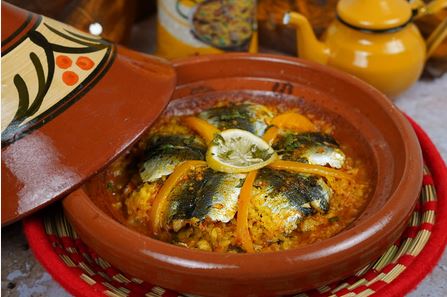
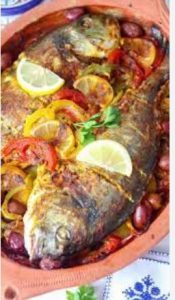
Sardine Tagine: A Flavorful Moroccan Delicacy
The cuisine of Morocco is renowned for its diversity, rich flavors, and the unique blend of spices that reflect the country’s rich cultural heritage. Among the many culinary delights Morocco has to offer, the Sardine Tagine stands out as a beloved dish that combines the freshness of the sea with the aromatic spices of North Africa. This article explores the origins, ingredients, preparation methods, and nutritional benefits of Sardine Tagine, highlighting why it has become a staple in Moroccan households and a favorite for food enthusiasts worldwide.
Origins of Sardine Tagine
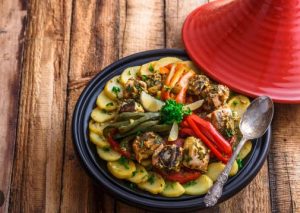
The tagine, a traditional Moroccan cooking vessel and dish, derives its name from the earthenware pot with a conical lid in which it is prepared. The slow-cooking process of the tagine allows the ingredients to retain their natural flavors while blending harmoniously with spices and herbs. Sardines, being one of Morocco’s most abundant seafood resources due to its extensive Atlantic coastline, are a natural choice for this dish.
Sardine Tagine reflects Morocco’s coastal culinary traditions and the influence of Berber, Arab, and Andalusian cuisines. Its affordability, nutritional value, and robust flavors have made it a dish cherished by families and celebrated at gatherings.
Key Ingredients of Sardine Tagine
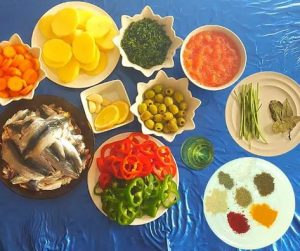
A well-prepared Sardine Tagine is a symphony of flavors and textures. The key ingredients include:
- Fresh Sardines: Sardines are the star of the dish. They are typically cleaned, deboned, and marinated before cooking.
- Chermoula Marinade: A cornerstone of Moroccan cuisine, chermoula is a blend of herbs, spices, and aromatics, including parsley, cilantro, garlic, paprika, cumin, and lemon juice.
- Vegetables: Potatoes, tomatoes, bell peppers, and carrots are commonly used to add depth and balance to the dish.
- Olive Oil: High-quality olive oil enhances the richness of the tagine and complements the spices.
- Preserved Lemons: These add a tangy and slightly salty dimension that enhances the overall flavor profile.
- Green Olives: Often used as a garnish, olives provide a briny contrast to the sweetness of the vegetables.
- Spices: Paprika, turmeric, ginger, and a hint of cayenne pepper are used to create a vibrant and aromatic sauce.
Step-by-Step Preparation of Sardine Tagine
- Preparing the Chermoula Marinade
To make the chermoula:
- Combine a handful of chopped parsley and cilantro with minced garlic.
- Add 1 teaspoon each of paprika and ground cumin, 1/2 teaspoon of turmeric, and a pinch of cayenne pepper.
- Mix in the juice of one lemon and 3 tablespoons of olive oil.
- Blend all the ingredients into a paste-like consistency.
- Marinating the Sardines
- Clean and debone the sardines, ensuring they are fresh and free from scales.
- Coat the sardines with the chermoula marinade, ensuring each piece is evenly covered.
- Allow the fish to marinate for at least 30 minutes to absorb the flavors.
- Assembling the Tagine
- In the base of the tagine pot, drizzle olive oil and arrange a layer of thinly sliced potatoes as a base.
- Add layers of sliced carrots, bell peppers, and tomatoes.
- Place the marinated sardines on top, arranging them in a circular pattern for even cooking.
- Scatter slices of preserved lemon and green olives over the fish.
- Cooking the Tagine
- Cover the tagine with its conical lid and place it over low to medium heat.
- Allow the dish to simmer gently for 45 minutes to an hour. The slow cooking ensures the flavors meld together perfectly.
- Occasionally check the dish to ensure it is not drying out. Add a splash of water if necessary.
- Serving the Tagine
- Serve the Sardine Tagine hot, accompanied by crusty bread or steamed couscous to soak up the flavorful sauce.
- Garnish with additional fresh herbs for an extra burst of freshness.
Nutritional Benefits of Sardine Tagine
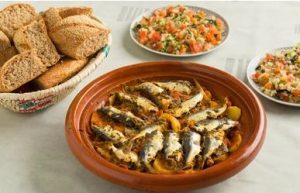
Sardine Tagine is not only a feast for the senses but also a nutritious meal that offers several health benefits:
- Rich in Omega-3 Fatty Acids: Sardines are an excellent source of omega-3 fatty acids, which support heart health and reduce inflammation.
- High in Protein: Sardines provide high-quality protein essential for muscle repair and overall body function.
- Packed with Vitamins and Minerals: The dish is rich in vitamins D, B12, and calcium from the sardines, while the vegetables contribute vitamins A, C, and potassium.
- Antioxidant Properties: Spices like turmeric and paprika contain antioxidants that combat free radicals and promote overall well-being.
- Low in Calories: Despite its rich flavors, Sardine Tagine is a low-calorie meal, making it suitable for weight-conscious individuals.
Cultural Significance of Sardine Tagine
In Moroccan culture, meals are more than just sustenance; they are a celebration of togetherness and hospitality. Sardine Tagine is often prepared for family gatherings and shared among loved ones, emphasizing the communal aspect of dining. The dish’s vibrant presentation and enticing aroma make it a centerpiece at any table.
Moreover, Sardine Tagine represents sustainable eating practices. By utilizing sardines, a locally abundant and environmentally friendly seafood option, the dish aligns with Morocco’s traditional emphasis on sustainability and resourcefulness.
Variations of Sardine Tagine
While the classic recipe is widely cherished, there are several regional and personal variations:
- Spicy Sardine Tagine: For those who enjoy a kick, additional chili peppers or harissa paste can be added to the marinade.
- Vegetarian Accompaniments: Some versions include zucchini or eggplant for a more diverse vegetable medley.
- Seafood Mix: Combining sardines with other seafood like shrimp or squid adds a luxurious twist.
- Citrus Infusion: Orange slices can replace preserved lemons for a milder, sweeter flavor.
Tips for the Perfect Sardine Tagine
- Choose Fresh Sardines: Freshness is key to achieving the best flavor and texture.
- Use a Traditional Tagine Pot: While a regular pot can suffice, a traditional tagine pot enhances the authenticity and presentation.
- Don’t Rush the Cooking Process: Slow cooking allows the ingredients to meld together, creating a harmonious flavor profile.
- Experiment with Spices: Adjust the spice levels to suit your palate, but stay true to the essence of Moroccan flavors.
Conclusion
Sardine Tagine is a testament to Morocco’s culinary artistry, combining simple ingredients to create a dish bursting with flavor and character. Its rich history, health benefits, and adaptability make it a standout recipe that deserves a place in every home cook’s repertoire. Whether you’re a seasoned chef or a curious foodie, preparing Sardine Tagine is a delightful journey into the heart of Moroccan cuisine. So gather your ingredients, fire up your tagine pot, and let the magic of Sardine Tagine transport you to the bustling markets and sunlit shores of Morocco.