
 By admin
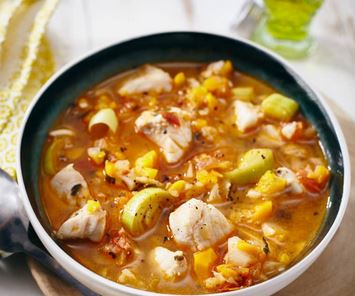
A Comprehensive Guide to Fish Harira: Morocco’s Exquisite Seafood Delight
Fish Harira is a unique twist on the traditional Harira soup, a staple in Moroccan and North African cuisine. While the original Harira features lamb or beef with lentils, tomatoes, and chickpeas, the seafood version—known as Fish Harira—adds a coastal charm to this comforting dish. In this article, we’ll dive deep into the world of Fish Harira, uncovering its history, preparation techniques, nutritional benefits, and why it has become a favorite among seafood enthusiasts worldwide.
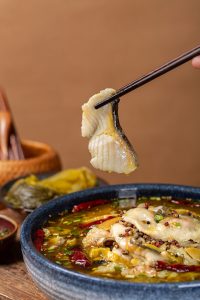
Origins of Fish Harira
The classic Harira soup has its roots in Morocco and is traditionally served during Ramadan to break the fast. Over time, regional adaptations have led to various versions of the dish, including vegetarian and seafood renditions. Fish Harira originated in coastal regions where fresh seafood is abundant, blending the essence of the ocean with the earthy flavors of traditional Harira.
Ingredients of Fish Harira
The success of Fish Harira lies in its ingredients, which harmonize to create a rich, flavorful, and aromatic soup. Here’s a list of typical components:
- Fresh Fish Fillets: Common choices include white fish such as cod, haddock, or sea bass. Some recipes also incorporate shrimp or squid for additional variety.
- Tomatoes: A crucial base, providing the soup with its vibrant color and tangy undertones.
- Chickpeas and Lentils: These legumes add body, texture, and protein.
- Onions and Garlic: Essential for creating a savory and aromatic foundation.
- Fresh Herbs: Parsley, cilantro, and dill elevate the flavor profile.
- Spices: A blend of turmeric, paprika, cumin, and cinnamon adds warmth and depth.
- Vermicelli or Rice: These optional starches make the soup heartier.
- Lemon Juice: A squeeze of fresh lemon enhances the seafood’s natural flavors.
Step-by-Step Guide to Preparing Fish Harira
Creating Fish Harira is an art form that combines technique, patience, and the freshest ingredients. Here’s a step-by-step guide to prepare this culinary masterpiece:
- Prepare the Base
Begin by sautéing finely chopped onions and minced garlic in olive oil until translucent. Add diced tomatoes, tomato paste, and a blend of spices. Cook until the mixture thickens into a rich sauce.
- Add the Legumes
Introduce pre-soaked chickpeas and lentils into the pot. Stir well and pour in enough water or fish stock to cover the ingredients. Simmer on low heat for about 30 minutes, allowing the legumes to soften.
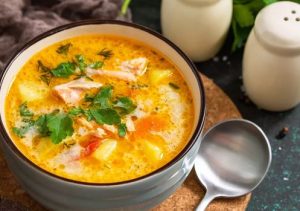
- Incorporate the Fish
Cut the fish fillets into bite-sized pieces and gently add them to the soup. If using shrimp or squid, include them at this stage. Simmer for 10-15 minutes or until the seafood is cooked through.
- Finish with Freshness
Add chopped parsley, cilantro, and a squeeze of lemon juice to brighten the flavors. If using vermicelli or rice, cook them separately and mix them into the soup before serving.
- Serve and Garnish
Ladle the Fish Harira into bowls and garnish with fresh herbs and a drizzle of olive oil. Serve it with crusty bread or traditional Moroccan flatbread for an authentic experience.
Nutritional Benefits of Fish Harira
Fish Harira is not only delicious but also packed with nutrients:
- High Protein Content: The combination of fish, chickpeas, and lentils makes this dish an excellent source of protein, essential for muscle repair and growth.
- Rich in Omega-3 Fatty Acids: The seafood provides heart-healthy omega-3 fatty acids, known for their anti-inflammatory properties.
- Vitamins and Minerals: Tomatoes, herbs, and legumes offer vitamins A, C, and K, as well as iron, magnesium, and potassium.
- Low in Calories: Despite being hearty, Fish Harira is relatively low in calories, making it a guilt-free option for health-conscious eaters.
Cultural Significance of Fish Harira
In Moroccan culture, food is a way to bring people together, and Fish Harira exemplifies this sentiment. Traditionally served during Ramadan, the soup is a comforting dish that replenishes energy after a day of fasting. Its versatility and rich flavors have made it a popular choice beyond religious contexts, gracing dinner tables at family gatherings and celebrations.
Fish Harira Around the World
The globalization of Moroccan cuisine has introduced Fish Harira to international audiences. Restaurants in Europe, North America, and the Middle East often include this dish on their menus, offering variations that cater to local tastes. For instance, chefs might incorporate local seafood or adjust the spice levels to suit regional palates.
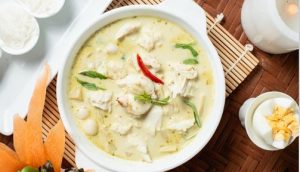
Tips for Perfect Fish Harira
- Choose Fresh Seafood: The quality of the fish significantly impacts the dish. Opt for fresh, sustainably sourced seafood for the best flavor.
- Adjust the Spices: Customize the spice blend to suit your taste preferences. Add chili flakes for extra heat or more cinnamon for a sweeter undertone.
- Prepare in Advance: Like many stews, Fish Harira tastes even better the next day as the flavors meld together.
Why You Should Try Fish Harira
If you’re a seafood lover or an adventurous eater, Fish Harira offers a unique culinary experience. It combines the earthy, hearty elements of traditional Harira with the delicate, briny notes of fresh fish, resulting in a dish that is both comforting and sophisticated.
Conclusion
Fish Harira is a shining example of how traditional recipes can evolve while preserving their cultural essence. Whether you’re looking to explore Moroccan cuisine or simply want a nourishing, flavorful meal, Fish Harira is a must-try dish. With its perfect balance of spices, textures, and aromas, it’s no wonder this seafood soup has captured the hearts and palates of food enthusiasts around the globe.
.