
 By admin
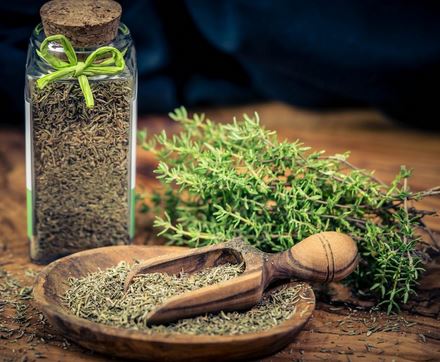
Thyme: The Versatile Herb with Timeless Benefits
Thyme (“Thymus vulgaris”), a fragrant and evergreen herb, has been cherished for centuries for its culinary, medicinal, and ornamental uses. Native to the Mediterranean region, thyme is now cultivated worldwide and holds a prominent place in various cultures, cuisines, and traditional remedies. This article delves into the diverse aspects of thyme, from its history and health benefits to its role in cooking and beyond, showcasing why this small herb has a big impact.
A Brief History of Thyme
The use of thyme dates back to ancient civilizations. The Egyptians utilized thyme in their embalming practices, taking advantage of its antibacterial properties to preserve the dead. Meanwhile, the Greeks associated thyme with courage and used it as incense in temples. The Romans, too, embraced thyme for its medicinal benefits and culinary applications, often adding it to cheeses and alcoholic beverages.
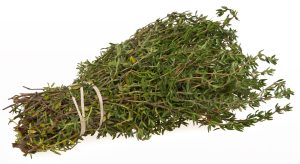
During the Middle Ages, thyme symbolized bravery and was often embroidered on knights’ garments. It was also a common ingredient in remedies for various ailments. Today, thyme continues to be celebrated for its versatility and health-promoting properties.
The Nutritional Profile of Thyme
Thyme is a powerhouse of essential nutrients packed into tiny leaves. It is rich in vitamins and minerals, including:
- Vitamin C: Supports immune health and acts as an antioxidant.
- Vitamin A: Promotes vision and skin health.
- Iron: Essential for blood production and oxygen transport.
- Manganese: Contributes to bone health and metabolism.
- Calcium: Strengthens bones and teeth.
Additionally, thyme contains bioactive compounds such as thymol, carvacrol, and flavonoids, which are responsible for many of its health benefits.
Health Benefits of Thyme
- Boosts Immune Function
Thyme’s high vitamin C content makes it an excellent natural remedy for strengthening the immune system. Its antimicrobial properties help fight infections, making it particularly useful during cold and flu seasons.
- Supports Respiratory Health
For centuries, thyme has been used to relieve respiratory issues, including coughs, bronchitis, and asthma. Thymol, a key compound in thyme, acts as an expectorant, helping to clear mucus from the airways.
- Promotes Digestive Health
Thyme aids digestion by stimulating the production of digestive enzymes. It is also known to alleviate symptoms of indigestion, bloating, and gas. Its antimicrobial properties help maintain a healthy gut microbiome.
- Possesses Antioxidant Properties
Thyme is loaded with antioxidants, such as lutein and zeaxanthin, which combat oxidative stress. These compounds protect cells from damage and may reduce the risk of chronic diseases like cancer and heart disease.
- Enhances Skin Health
Thyme’s antibacterial and antifungal properties make it an effective natural remedy for skin conditions such as acne and eczema. Its antioxidants also contribute to healthier, more radiant skin.
- Supports Heart Health
By reducing blood pressure and cholesterol levels, thyme may contribute to improved cardiovascular health. The herb’s anti-inflammatory properties also play a role in protecting the heart.
Thyme in Culinary Arts
Thyme’s robust, earthy flavor makes it a staple in many cuisines. It pairs well with a variety of dishes, from meats and vegetables to soups and stews. Here are some popular uses of thyme in cooking:

- Seasoning Meat and Poultry: Thyme enhances the flavor of roasted chicken, lamb, and beef.
- Adding Depth to Soups and Stews: A sprig of thyme can transform the flavor profile of broths and hearty stews.
- Infusing Oils and Vinegars: Thyme-infused olive oil or vinegar adds a gourmet touch to salads and marinades.
- Complementing Vegetables: Roasted vegetables, especially potatoes, carrots, and zucchini, pair beautifully with thyme.
- Bread and Pastries: Thyme adds a unique flavor to bread, biscuits, and savory pastries.
To maximize its flavor, thyme is often added early in the cooking process, allowing its oils to infuse into the dish.
Growing and Harvesting Thyme
Thyme is a low-maintenance herb that thrives in well-drained soil and full sunlight. It is drought-tolerant, making it ideal for gardens in warmer climates. Thyme can also be grown indoors in pots, provided it receives adequate sunlight.
To harvest thyme, simply snip the sprigs as needed. Regular trimming encourages growth and prevents the plant from becoming woody. Thyme can be used fresh or dried; drying intensifies its flavor and extends its shelf life.
Thyme in Traditional Medicine
Across cultures, thyme has been a cornerstone of herbal medicine. It has been used to:
- Relieve sore throats and coughs by preparing thyme tea.
- Treat skin infections with thyme-infused ointments.
- Act as a natural insect repellent.
- Alleviate stress and improve mood through aromatherapy.

Thyme Essential Oil
Thyme essential oil is a concentrated source of its beneficial compounds. It is widely used in aromatherapy, skincare, and natural cleaning products. When diluted, it can be applied topically to address muscle pain, insect bites, and minor wounds. However, essential oils should always be used with caution and under professional guidance.
Interesting Facts About Thyme
- Symbolism: In ancient Greece, thyme symbolized elegance, while in the Middle Ages, it was associated with courage.
- Pollinator-Friendly: Thyme flowers attract bees, making it a valuable plant for supporting pollinator populations.
- Culinary Versatility: Thyme is a key ingredient in the French herb blend “herbes de Provence” and Middle Eastern “zaatar.”
- Longevity: Thyme plants can live for several years with proper care.
Conclusion
Thyme is far more than just a culinary herb. Its extensive health benefits, rich history, and versatile applications make it a valuable addition to any kitchen or medicine cabinet. Whether used to enhance a dish, soothe a sore throat, or beautify a garden, thyme proves that great things often come in small packages. By incorporating thyme into your daily life, you’re not only embracing a timeless tradition but also reaping its countless benefits for health and well-being.
Moroccan Cow Trotters with Chickpeas