
 By admin

Cereals, a cornerstone of human nutrition, refer to the edible seeds of grasses belonging to the Poaceae family. Common examples include wheat, rice, corn, oats, barley, and rye. These grains form a critical part of diets worldwide, consumed both in their natural, unprocessed state and as refined products like flour, breakfast cereals, and other milled forms. Cereals are not only nutrient-rich but also versatile, offering a range of culinary possibilities that cater to diverse tastes and dietary needs.
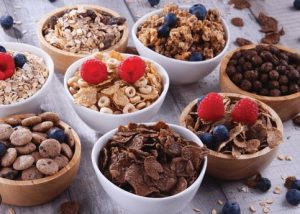
Despite their incredible nutritional benefits and adaptability, cereals remain underutilized in many diets. While staples like rice, bread, and oatmeal make occasional appearances on dining tables, the broader spectrum of grains is often overlooked. This article delves into the nutritional composition of cereals, their historical significance, and the best practices for their preparation and consumption, emphasizing their potential as a staple in a balanced, health-conscious diet.
Nutritional Composition of Cereals
Cereals are among the most nutrient-dense foods available, offering an impressive array of macronutrients and micronutrients. Their primary components include:
- Carbohydrates: Cereals are a rich source of starch, a complex carbohydrate that provides a steady release of energy. Starch, upon digestion, converts into glucose, fueling the body’s cells.
- Proteins: Although not as protein-dense as legumes or animal products, cereals contain significant amounts of plant-based protein. This protein includes essential amino acids, though in varying proportions depending on the grain.
- Fats: While cereals are not typically high in fat, they do contain small amounts of healthy lipids, primarily unsaturated fats, which contribute to cellular health and energy.
- Vitamins and Minerals: Cereals are packed with essential micronutrients, including B vitamins (such as thiamine, niacin, and riboflavin), iron, magnesium, phosphorus, and zinc. Whole grains retain more of these nutrients compared to their refined counterparts.
- Dietary Fiber: Whole grains are an excellent source of dietary fiber, promoting healthy digestion, regulating blood sugar levels, and supporting heart health.
- Phytochemicals and Antioxidants: Whole grains contain bioactive compounds such as phenolic acids, lignans, and flavonoids, which help combat oxidative stress and reduce the risk of chronic diseases.
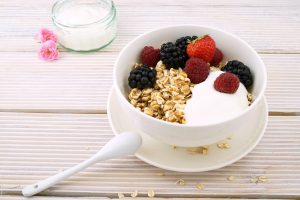
The nutrient density of cereals makes them highly efficient as a food source, offering nearly three times the caloric and nutritional value of meat like beef, poultry, or mutton. Among cereals, wheat is particularly noteworthy for having an almost ideal balance of essential nutrients.
The Historical Importance of Cereals
Throughout history, cereals have played a pivotal role in sustaining civilizations. Archaeological evidence shows that grains like wheat and barley were cultivated as early as 10,000 years ago during the Neolithic era. Ancient cultures revered cereals as a dietary mainstay:
- Spartan Diets: The ancient Spartans, renowned for their unparalleled endurance and strength, relied heavily on grains as a primary food source. Their grain-based diet contributed to their legendary physical prowess.
- Roman Soldiers: Under Caesar’s leadership, Roman soldiers carried parched grains as part of their daily rations. These grains provided a portable, energy-dense food that fueled their conquests.
Even today, cereals remain integral to the diets of many cultures. In Asia, rice forms the foundation of meals, often paired with legumes to create a nutritionally balanced combination. Such dietary patterns highlight the versatility and adaptability of cereals in meeting diverse nutritional needs.
Modern Consumption: Challenges and Misconceptions
Despite their historical prominence, cereals are often underrepresented in modern diets. Many households limit their consumption of grains to refined products like white bread or pastries, neglecting the nutritional benefits of whole grains. Additionally, some individuals avoid grains altogether, citing digestive discomfort or dietary restrictions.
In many cases, these challenges stem from improper preparation or pairing rather than an inherent issue with cereals themselves. Factors that can affect the digestibility and nutritional value of grains include:
- Cooking Techniques: Undercooked grains can be difficult to digest, while overcooking may strip them of essential nutrients.
- Accompaniments: Adding excessive sugar to cereals, a common practice in Western diets, can diminish their health benefits. Sugar increases the caloric load without contributing additional nutrients, placing unnecessary strain on the digestive system.
- Lack of Variety: Monotony in grain consumption, such as relying solely on rice or wheat, can lead to nutrient imbalances. Exploring a variety of grains, including quinoa, millet, and buckwheat, ensures a broader range of nutrients.
Best Practices for Preparing and Consuming Cereals
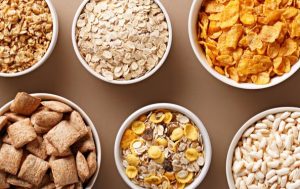
To maximize the nutritional benefits of cereals, it is essential to adopt proper preparation and consumption practices. Below are some expert recommendations:
1. Embrace Whole Grains
Whole grains retain the bran, germ, and endosperm, preserving their full nutritional profile. Refined grains, on the other hand, lose much of their fiber, vitamins, and minerals during processing. Examples of whole grains include:
- Brown rice
- Whole-wheat flour
- Oats
- Barley
- Quinoa
2. Cook Grains Properly
Proper cooking enhances the digestibility and palatability of grains. Key tips include:
- Rinsing: Rinse grains like rice and quinoa before cooking to remove excess starch or bitter compounds.
- Soaking: Soak grains such as barley and oats to reduce cooking time and improve nutrient absorption.
- Cooking Time: Follow recommended cooking times for each grain to achieve an ideal texture.
3. Pair Grains with Nutrient-Dense Foods
To create balanced meals, combine grains with complementary foods:
- Protein: Add legumes, nuts, or seeds to boost the protein content.
- Healthy Fats: Drizzle grains with olive oil or add avocado for healthy fats.
- Fiber-Rich Additions: Include vegetables or fruits for added fiber and vitamins.
4. Avoid Excess Sugar
Instead of sweetening cereals with sugar, opt for natural alternatives like fresh fruit, dried fruit, or a drizzle of honey. Cream, yogurt, or plant-based milk can also add richness without overwhelming sweetness.
5. Practice Mindful Eating
Grains, like all starchy foods, require thorough chewing to initiate the digestive process. Pair soft-cooked grains with crunchy accompaniments such as toasted whole-wheat crackers, unfermented bread, or crispbreads to encourage mastication.
The Role of Cereals in a Balanced Diet
Incorporating cereals into daily meals offers numerous health benefits:
- Energy and Endurance: The slow-digesting carbohydrates in cereals provide sustained energy, making them ideal for athletes and physically active individuals.
- Weight Management: High-fiber grains promote satiety, helping control appetite and prevent overeating.
- Disease Prevention: Whole grains have been linked to a reduced risk of chronic diseases, including type 2 diabetes, cardiovascular diseases, and certain cancers.
- Digestive Health: Fiber-rich cereals support healthy gut bacteria, preventing constipation and promoting regularity.
Conclusion: Unlocking the Potential of Cereals
Cereals are among the most versatile and nutritious foods available, offering an unmatched combination of energy, protein, vitamins, minerals, and fiber. However, to fully realize their potential, it is crucial to move beyond limited uses like bread or sugary breakfast cereals. By embracing a variety of grains, preparing them thoughtfully, and consuming them mindfully, cereals can become a cornerstone of a healthful, sustainable diet.
From the ancient diets of Spartans and Roman soldiers to modern kitchens worldwide, cereals have stood the test of time as a dietary staple. As more people recognize their value, these humble grains can reclaim their rightful place at the heart of nutritious eating.
The Versatile Herb with Timeless Benefits