
 By admin
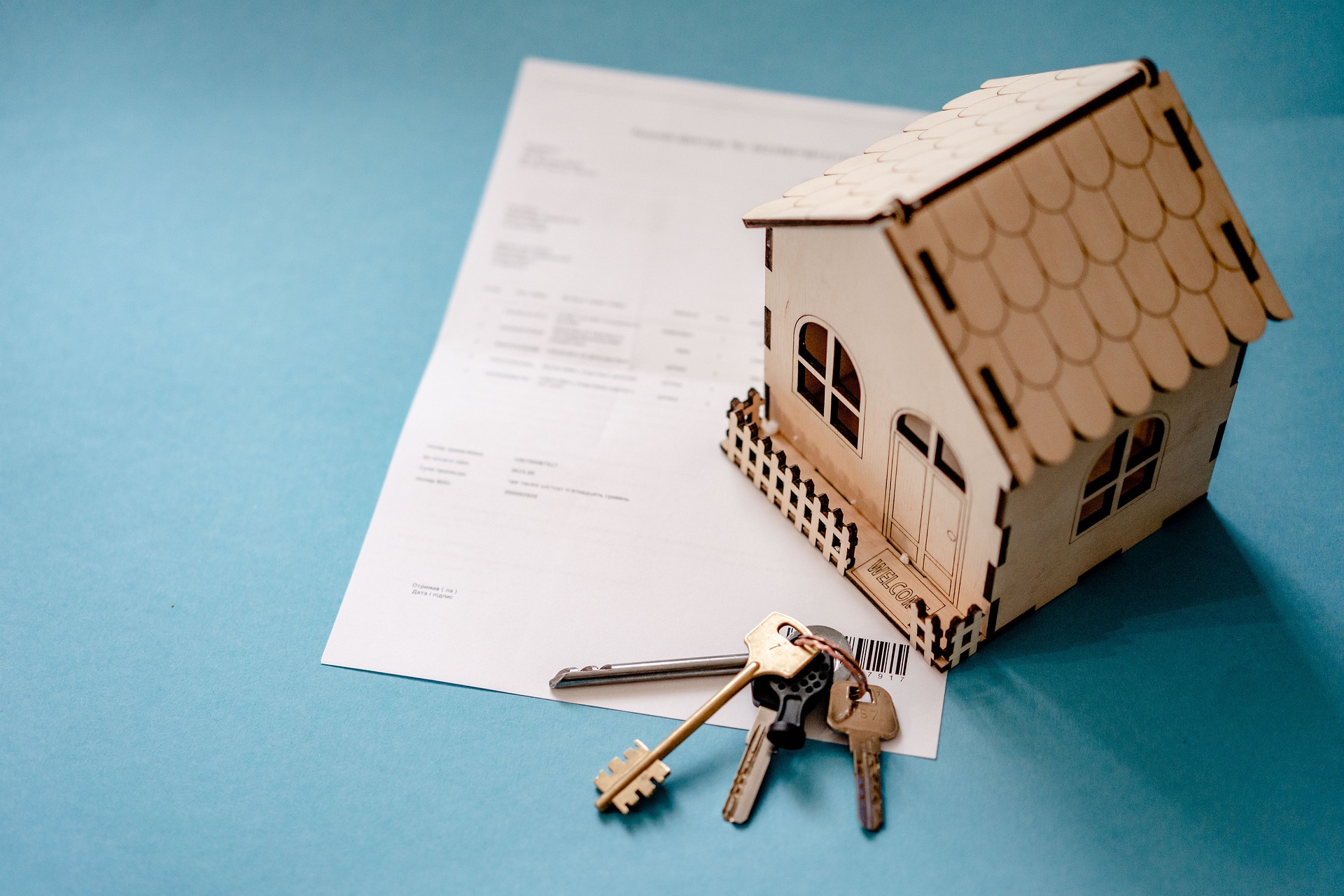
Crafting and Selling the Ultimate Home Plan: A Comprehensive Guide
In today’s world, a home is more than just a place to live or seek refuge from harsh weather. It is a representation of personal style, a sanctuary of comfort, and increasingly, a lucrative investment opportunity. Homeownership has evolved into a cornerstone of wealth accumulation, and a well-crafted home plan serves as the foundation of this investment. By understanding the intricacies of designing and marketing a home plan, you can transform your vision into a sought-after asset that appeals to modern homebuyers.
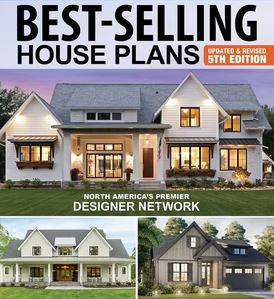
Understanding Home Plans: The Blueprint of Dreams
A home plan is a detailed architectural and design layout that outlines the structure and aesthetics of a house. It incorporates various elements, including spatial arrangements, architectural styles, and functional features, tailored to meet specific needs and preferences. While crafting a home plan may seem overwhelming due to the numerous factors involved, a methodical approach ensures a harmonious balance between form and function.
To start, assess the features of your current or previous home. Compile a list of its strengths and shortcomings, and use this insight as a foundation for your new design. Consult with friends, family, or professionals to refine your ideas and introduce innovative concepts. A standout feature, such as energy-efficient design elements or a unique architectural flair, can significantly enhance the appeal of your home plan.
Key Considerations in Designing a Home Plan
- Space and Layout: Determine whether the house will be single-story or multi-story. Specify the number of bedrooms, bathrooms, and additional spaces such as home offices, recreational rooms, or outdoor living areas.
- Functionality: Prioritize the usability of spaces. Open floor plans that seamlessly integrate kitchens, dining areas, and living rooms are highly desirable. Ensure the layout caters to both daily activities and special occasions.
- Sustainability: Incorporate eco-friendly features such as solar panels, energy-efficient windows, and rainwater harvesting systems. These elements not only reduce environmental impact but also appeal to environmentally conscious buyers.
- Aesthetic Appeal: Choose a design style that complements the intended location and reflects contemporary trends. Whether it’s modern minimalism, rustic charm, or classic elegance, the visual impact of your home plan is crucial.
- Future-Proofing: Consider flexible spaces that can adapt to changing needs, such as a nursery that transitions into a study or a guest room. Smart home technologies, like automated lighting and security systems, are also increasingly popular.
- Location Suitability: Ensure the design harmonizes with the surrounding environment. A home that blends well with its locale—be it a suburban neighborhood, an urban setting, or a rural retreat—is more likely to attract buyers.
The Power of Technology in Home Planning
Advancements in technology have revolutionized the way home plans are created and marketed. Numerous software tools enable designers to visualize and tweak their plans with precision. Virtual reality platforms allow potential buyers to experience the layout and ambiance of a home before it’s built, fostering greater engagement and interest.
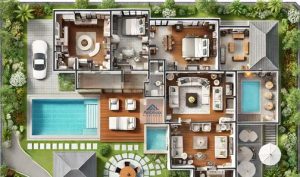
Online platforms provide an excellent opportunity to showcase your home plans to a global audience. Websites specializing in architectural designs, social media, and real estate portals are invaluable for reaching potential buyers. Including high-quality visuals, 3D renderings, and detailed descriptions increases the appeal of your listings.
Selling Your Home Plan: Strategies for Success
- Market Research: Understand current trends and buyer preferences. Research popular design features, regional demands, and price points to position your plan effectively.
- Highlight Unique Features: Differentiate your plan by emphasizing its standout aspects, such as sustainable designs, innovative layouts, or luxury amenities.
- Professional Presentation: Invest in professional renderings and detailed documentation. Clear, visually appealing presentations can make your plan more enticing to prospective buyers.
- Leverage Online Platforms: List your plans on specialized websites, real estate forums, and social media. Use targeted ads to reach your ideal audience.
- Build a Portfolio: Showcase a collection of your designs to establish credibility and demonstrate your versatility. Include testimonials or reviews if available.
- Collaborate with Industry Professionals: Partner with architects, real estate agents, and developers to expand your network and increase visibility.
The Investment Perspective
A well-designed home plan is not only a product but also an investment. Buyers are often willing to pay a premium for plans that align with their vision and lifestyle. By prioritizing quality, innovation, and market relevance, you can maximize the value of your offerings.
In addition, consider offering customizable options to cater to individual preferences. Flexibility in design can significantly enhance buyer satisfaction and broaden your appeal.
Conclusion: Turning Vision into Value
The process of creating and selling a home plan involves a blend of creativity, practicality, and market insight. By focusing on thoughtful design, leveraging technology, and adopting effective marketing strategies, you can craft plans that resonate with modern buyers and generate substantial returns. In the dynamic world of real estate, a well-executed home plan is not just a blueprint for a house—it’s a gateway to fulfilling dreams and creating lasting value.
Buying and Investing in the Desert State