
 By admin
The Wonders of Rosemary: A Comprehensive Guide to Its Benefits, Uses, and History
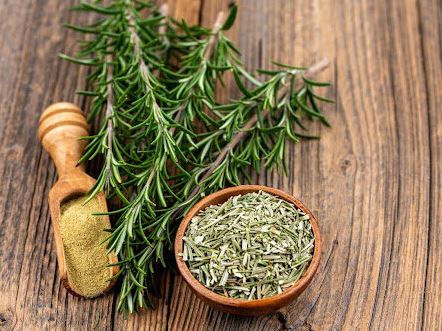
Rosemary, scientifically known as Rosmarinus officinalis, is a fragrant evergreen herb native to the Mediterranean region. With its needle-like leaves and delicate blue flowers, rosemary has been cherished for centuries not only for its culinary uses but also for its medicinal properties, symbolic significance, and aromatic appeal. This article delves into the rich history, health benefits, culinary applications, and cultural importance of rosemary, offering a comprehensive understanding of why this herb continues to captivate people worldwide.

The Historical Significance of Rosemary
Rosemary has a storied past that dates back to ancient civilizations. The ancient Greeks and Romans revered rosemary for its medicinal and symbolic properties. Greek scholars often wore garlands of rosemary during exams, believing it enhanced memory and concentration—a belief that modern science has partially validated. In medieval Europe, rosemary was associated with remembrance and fidelity, often used in weddings and funerals. It was also believed to ward off evil spirits and protect against the plague.
The name “rosemary” is derived from the Latin words ros (dew) and marinus (sea), meaning “dew of the sea,” a nod to its coastal origins. This herb has been a staple in traditional medicine systems, including Ayurveda and Traditional Chinese Medicine, where it was used to treat a variety of ailments, from digestive issues to respiratory problems.
Nutritional Profile of Rosemary
Rosemary is a powerhouse of nutrients and bioactive compounds. It is rich in antioxidants, vitamins, and minerals, including:
- Antioxidants: Rosemary contains carnosic acid and rosmarinic acid, which help combat oxidative stress and inflammation.
- Vitamins: It is a good source of vitamin A, vitamin C, and vitamin B6.
- Minerals: Rosemary provides essential minerals like calcium, iron, and magnesium.
- Fiber: The herb contains dietary fiber, which aids in digestion.
These components make rosemary a valuable addition to a healthy diet, contributing to overall well-being.
Health Benefits of Rosemary
Rosemary has been extensively studied for its potential health benefits. Here are some of the most notable:
1. Enhances Cognitive Function
Rosemary has long been associated with improved memory and mental clarity. Research suggests that the aroma of rosemary essential oil can stimulate brain activity, enhancing concentration and reducing mental fatigue. The compound 1,8-cineole, found in rosemary, has been linked to improved cognitive performance.
2. Supports Digestive Health
Rosemary has been traditionally used to alleviate digestive issues such as bloating, gas, and indigestion. Its anti-inflammatory properties help soothe the digestive tract, while its carminative effects reduce discomfort.
3. Boosts Immune System
The antioxidants in rosemary strengthen the immune system by neutralizing free radicals and reducing inflammation. Regular consumption of rosemary can help the body fight off infections and illnesses.
4. Promotes Hair and Skin Health
Rosemary oil is a popular ingredient in hair care products due to its ability to stimulate hair growth and prevent dandruff. It improves blood circulation to the scalp, promoting healthier and thicker hair. For the skin, rosemary’s antimicrobial properties help treat acne and other skin conditions.
5. Reduces Stress and Anxiety
The aroma of rosemary has a calming effect on the nervous system, making it an effective natural remedy for stress and anxiety. Inhaling rosemary essential oil can lower cortisol levels, promoting relaxation and emotional balance.
6. Supports Respiratory Health
Rosemary has been used to relieve respiratory conditions such as asthma, bronchitis, and congestion. Its anti-inflammatory and antimicrobial properties help clear the airways and reduce symptoms.
7. Anti-Cancer Potential
Emerging research suggests that rosemary’s bioactive compounds may have anti-cancer properties. Carnosic acid, in particular, has been shown to inhibit the growth of cancer cells in laboratory studies.
Culinary Uses of Rosemary
Rosemary is a versatile herb that adds a unique flavor to a wide range of dishes. Its pine-like aroma and slightly bitter taste make it a favorite among chefs and home cooks alike. Here are some popular culinary applications:
1. Seasoning for Meats
Rosemary pairs exceptionally well with lamb, chicken, pork, and beef. It can be used fresh or dried to marinate meats or as a rub for roasting.
2. Flavoring for Soups and Stews
A sprig of rosemary can elevate the flavor of soups, stews, and broths. It complements vegetables like potatoes, carrots, and tomatoes.
3. Baking Ingredient
Rosemary is a surprising but delightful addition to baked goods such as bread, focaccia, and crackers. Its earthy flavor balances the richness of butter and cheese.
4. Infused Oils and Vinegars
Rosemary-infused oils and vinegars are a simple way to incorporate its flavor into salads, marinades, and dressings.
5. Herbal Teas
Rosemary tea is a soothing beverage that offers numerous health benefits. It can be enjoyed on its own or blended with other herbs like mint or lemon balm.
Cultural and Symbolic Importance
Rosemary holds a special place in various cultures and traditions. In addition to its historical uses, it is often associated with love, loyalty, and remembrance. In some cultures, rosemary is planted near homes to bring good luck and protection. During the Middle Ages, it was used as a symbol of fidelity in weddings, and brides would wear rosemary wreaths.
In literature and art, rosemary has been depicted as a symbol of memory and eternity. Shakespeare famously referenced rosemary in Hamlet, where Ophelia says, “There’s rosemary, that’s for remembrance.”
Growing and Harvesting Rosemary
Rosemary is a hardy plant that thrives in well-drained soil and sunny conditions. It can be grown in gardens, pots, or even indoors. Here are some tips for cultivating rosemary:
- Planting: Choose a sunny spot with sandy or loamy soil. Rosemary prefers slightly alkaline conditions.
- Watering: Water sparingly, as rosemary is drought-tolerant and susceptible to root rot.
- Pruning: Regular pruning encourages bushier growth and prevents the plant from becoming woody.
- Harvesting: Snip sprigs as needed, preferably in the morning when the essential oils are most concentrated.
Precautions and Side Effects
While rosemary is generally safe for most people, excessive consumption or use of rosemary oil can lead to side effects such as:
- Allergic Reactions: Some individuals may experience skin irritation or respiratory issues.
- Pregnancy and Breastfeeding: Pregnant and breastfeeding women should avoid large amounts of rosemary, as it may stimulate menstruation or affect hormone levels.
- Medication Interactions: Rosemary can interact with certain medications, including blood thinners and diuretics. Consult a healthcare professional before using rosemary medicinally.

Conclusion
Rosemary is much more than a culinary herb; it is a symbol of remembrance, a natural remedy, and a source of inspiration. Its rich history, coupled with its numerous health benefits and versatile uses, makes it a cherished plant across the globe. Whether you’re using it to flavor a dish, boost your health, or simply enjoy its aroma, rosemary is a timeless herb that continues to enrich our lives.
By incorporating rosemary into your daily routine, you can harness its myriad benefits while connecting with a tradition that spans centuries. From ancient rituals to modern kitchens, rosemary remains a testament to the enduring power of nature’s gifts.
See Other
What is the chemical formula of aloe vera?