
 By admin
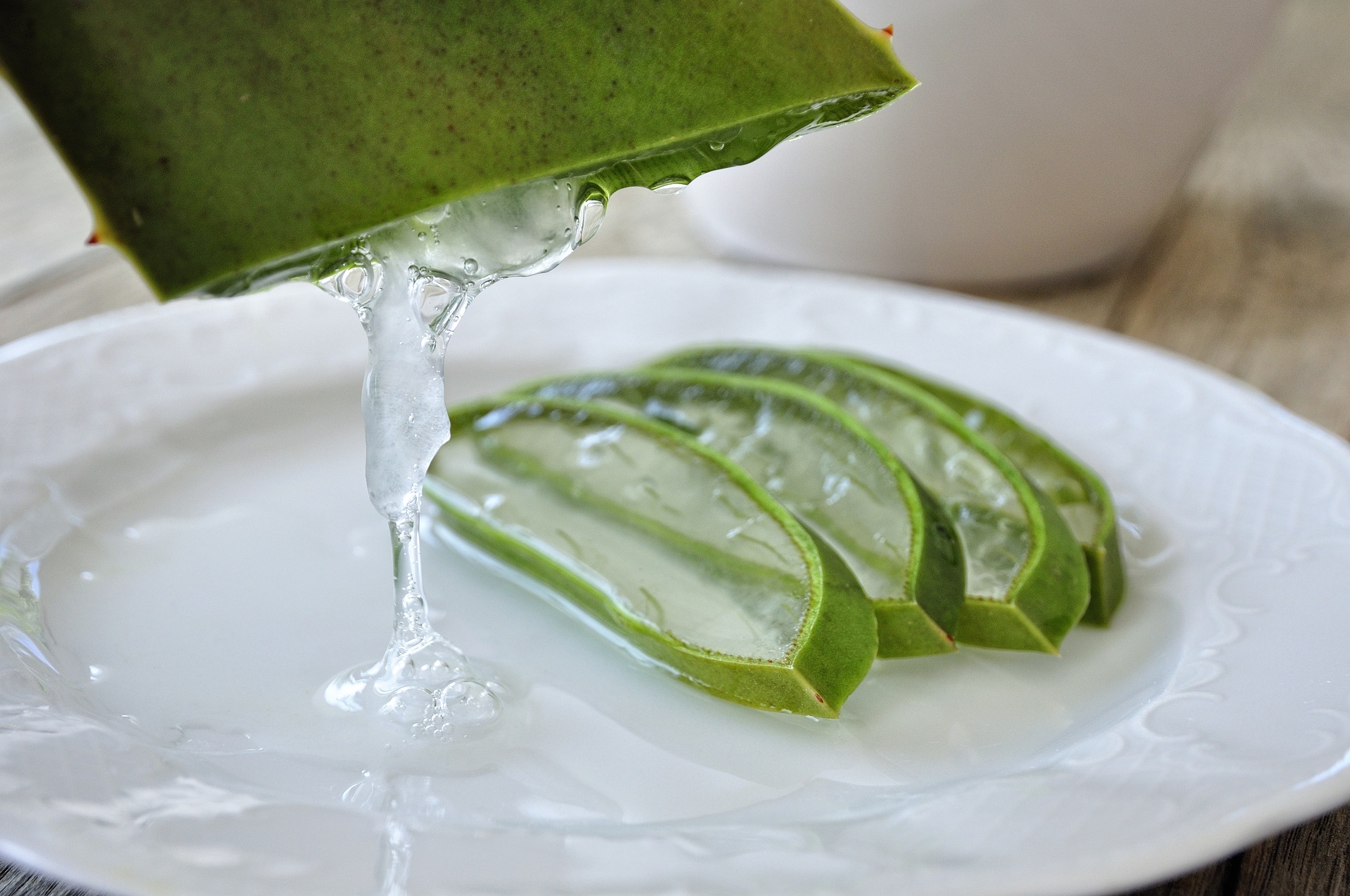
Aloe Vera: A Natural Wonder for Health and Wellness
Introduction
Aloe Vera, often referred to as the “plant of immortality,” has been celebrated for centuries for its myriad health benefits and versatile uses. This succulent plant, known for its thick, fleshy leaves filled with a soothing gel, is native to the Arabian Peninsula but is now cultivated worldwide. With its natural properties and numerous applications in skincare, medicine, and nutrition, Aloe Vera has earned its place as one of the most cherished natural remedies.
The Composition of Aloe Vera
The gel inside Aloe Vera leaves is a powerhouse of nutrients and active compounds. It contains:
- Vitamins: Aloe Vera is rich in vitamins A, C, and E, which act as antioxidants. It also contains vitamin B12 and folic acid.
- Minerals: Essential minerals like calcium, magnesium, zinc, and potassium are abundant in the plant.
- Enzymes: These include amylase and lipase, which aid in digestion.
- Polysaccharides: Known for their anti-inflammatory and immune-boosting properties.
- Amino Acids: Aloe Vera provides 20 of the 22 essential amino acids the human body requires.
- Anthraquinones: These compounds have laxative effects and contribute to the plant’s healing properties.
Health Benefits of Aloe Vera
- Skincare and Wound Healing
Aloe Vera is widely recognized for its exceptional benefits to the skin. Its gel is commonly used to:
- Soothe Sunburns: Aloe Vera provides a cooling effect and accelerates the healing of sunburned skin.
- Hydrate Skin: As a natural moisturizer, it helps keep the skin supple and hydrated without clogging pores.
- Heal Wounds: Studies suggest that Aloe Vera can speed up wound healing by enhancing collagen production and reducing inflammation.
- Reduce Acne: Its antibacterial properties make it effective in combating acne and preventing scars.
- Digestive Health
Aloe Vera can play a significant role in promoting digestive health. Consuming Aloe Vera juice may:
- Alleviate Constipation: The anthraquinones in Aloe Vera act as natural laxatives.
- Soothe Stomach Irritation: Its anti-inflammatory properties help manage conditions like irritable bowel syndrome (IBS).
- Enhance Nutrient Absorption: Aloe Vera aids in improving the absorption of essential nutrients in the gut.
- Boosting Immunity
The polysaccharides in Aloe Vera are known to enhance the immune system. Regular consumption of Aloe Vera juice may:
- Stimulate White Blood Cells: This supports the body in fighting infections.
- Provide Antioxidants: These help neutralize free radicals, reducing oxidative stress and preventing chronic diseases.
- Hair Care
Aloe Vera’s nourishing properties extend to hair health. It is frequently used in shampoos and conditioners to:
- Strengthen Hair Strands: Aloe Vera provides essential nutrients that improve hair elasticity.
- Reduce Dandruff: Its antifungal properties help treat dandruff and soothe an itchy scalp.
- Promote Hair Growth: By improving blood circulation to the scalp, Aloe Vera supports healthy hair growth.
Medicinal Uses of Aloe Vera
Aloe Vera’s medicinal properties are harnessed in various treatments:
- Diabetes Management: Studies indicate that Aloe Vera may help lower blood sugar levels in people with type 2 diabetes.
- Anti-inflammatory Effects: Its natural compounds reduce inflammation in conditions like arthritis.
- Oral Health: Aloe Vera-based toothpaste and mouthwash can improve dental health by reducing plaque and gum inflammation.
Nutritional Applications
Aloe Vera is increasingly popular in the health food industry. It can be consumed in:
- Juices and Smoothies: Adding Aloe Vera gel to beverages provides a refreshing and nutritious boost.
- Dietary Supplements: Capsules containing Aloe Vera extract offer a convenient way to enjoy its benefits.
- Food Products: Aloe Vera is used as a natural ingredient in yogurts, desserts, and energy drinks.
Cultivating Aloe Vera at Home
Growing Aloe Vera is simple and rewarding. Follow these tips to cultivate healthy plants:
- Choose the Right Pot: Use a pot with drainage holes to prevent waterlogging.
- Use Well-Draining Soil: Cactus or succulent potting mix is ideal.
- Provide Adequate Sunlight: Aloe Vera thrives in bright, indirect sunlight.
- Water Sparingly: Allow the soil to dry out completely between waterings.
- Protect from Frost: Aloe Vera is sensitive to cold and should be kept indoors during winter in colder climates.
Precautions and Side Effects

While Aloe Vera is generally safe for topical and oral use, it’s essential to consider the following:
- Allergic Reactions: Some individuals may experience allergic reactions to Aloe Vera.
- Laxative Effects: Overconsumption of Aloe Vera juice can lead to diarrhea and dehydration.
- Pregnancy Concerns: Pregnant and breastfeeding women should consult a healthcare professional before using Aloe Vera internally.
- Drug Interactions: Aloe Vera may interact with medications like laxatives, diuretics, and blood sugar-lowering drugs.
Conclusion
Aloe Vera is undeniably a natural powerhouse with countless benefits for health and wellness. Whether applied topically to soothe the skin, consumed to boost immunity and digestion, or incorporated into beauty routines, this remarkable plant offers something for everyone. However, as with any natural remedy, it is crucial to use Aloe Vera responsibly and consult a healthcare provider when necessary. With its vast potential and enduring appeal, Aloe Vera continues to stand out as a vital resource for natural health and beauty solutions.
Anxiety and Fear in Pregnant Women