By admin
The Wonders of Black Pepper: A Spice That Transforms Cuisine and Health
Black pepper, often heralded as the “king of spices,” has held a prestigious position in global cuisine and trade for centuries. Scientifically known as Piper nigrum, this humble spice has played a pivotal role in shaping culinary traditions, economic systems, and even historical events. From its origins in the tropical landscapes of South India to its ubiquitous presence in modern kitchens, black pepper continues to be a cornerstone of gastronomy and wellness. This comprehensive exploration delves into its rich history, cultivation, culinary versatility, and remarkable health benefits, showcasing why black pepper remains indispensable in both kitchens and health regimes.
The Historical Legacy of Black Pepper
The history of black pepper is as intricate and flavorful as the spice itself. Native to the verdant regions of Kerala in South India, black pepper was among the earliest commodities to traverse ancient trade routes, cementing its status as a symbol of wealth and power. Historical records reveal that black pepper was already in use around 2000 BCE in India. Ancient Egyptians utilized it in embalming rituals, while Romans treasured it as a luxury item.
During the Middle Ages, black pepper’s value skyrocketed, often serving as currency and an indicator of affluence. The spice trade routes, including the legendary Silk Road, revolved heavily around this prized commodity. The European Age of Exploration was significantly fueled by the quest to control spice-producing regions, with nations like Portugal and the Netherlands vying for dominance. Today, black pepper cultivation spans tropical regions across the globe, with Vietnam emerging as the leading producer, followed by Indonesia, India, and Brazil.
Cultivation and Processing: The Journey of Black Pepper
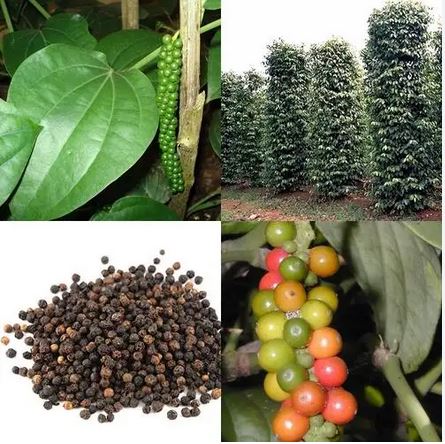
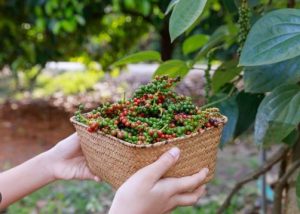
Black pepper is derived from the fruit of the Piper nigrum vine, a perennial flowering plant belonging to the Piperaceae family. Thriving in warm, humid climates with well-drained soil and partial shade, the plant produces small clusters of berries known as drupes. The processing of these drupes results in various types of pepper:
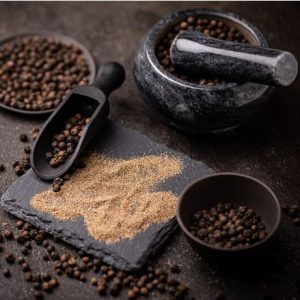
- Black Pepper: Harvested when the drupes are still green and unripe, they are sun-dried until the outer skin shrivels, turning black. This process enhances the spice’s pungency and robust flavor.
- White Pepper: Produced from fully ripened drupes, the outer layer is removed through soaking, leaving the milder-flavored inner seed.
- Green Pepper: Made from unripe drupes, it is preserved through brining or freeze-drying, retaining a fresh, vibrant flavor.
- Red Pepper: The rarest variety, crafted from fully mature drupes, it boasts a sweet, fruity taste and is often preserved like green pepper.
Each form of pepper offers unique flavor profiles and culinary applications, but black pepper’s versatility and bold taste make it the most universally favored.
Culinary Marvels of Black Pepper
Black pepper’s culinary versatility has earned it a permanent spot in kitchens worldwide. Its sharp, earthy, and slightly spicy flavor complements both savory and sweet dishes. Here are some common ways black pepper elevates cuisine:
- Seasoning Staple: A fundamental ingredient in spice blends like garam masala, Cajun seasoning, and Chinese five-spice powder, black pepper enhances the flavor of meats, vegetables, soups, and sauces.
- Table Essential: Ground black pepper often shares the table with salt, allowing diners to adjust seasoning to their preference.
- Marinades and Rubs: Its pungency makes black pepper an ideal addition to marinades and dry rubs, especially for grilling or roasting meats.
- Baking Companion: Surprisingly, black pepper adds depth to sweet recipes, such as gingerbread, chocolate desserts, and spiced fruit dishes.
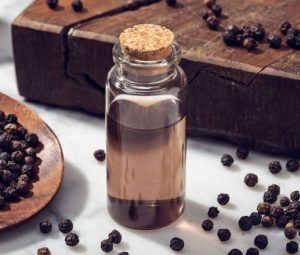
- Beverage Enhancer: Black pepper is featured in beverages like masala chai, golden milk, and mulled wine, providing a warming, spicy kick.
Health Benefits: Beyond Flavor
Black pepper’s allure extends beyond its culinary uses, as it offers a range of health benefits largely attributed to its active compound, piperine. Piperine imparts black pepper’s characteristic heat and possesses antioxidant, anti-inflammatory, and antimicrobial properties. Here are some notable health benefits:
- Boosts Nutrient Absorption: Piperine enhances the bioavailability of key nutrients like curcumin (from turmeric), vitamins, and minerals, amplifying their efficacy in the body.
- Promotes Digestive Health: By stimulating the secretion of digestive enzymes, black pepper aids in food breakdown and alleviates bloating, gas, and indigestion.
- Reduces Inflammation: Piperine’s anti-inflammatory properties can benefit individuals with arthritis, joint pain, and other inflammatory conditions.
- Rich in Antioxidants: Black pepper combats oxidative stress by neutralizing free radicals, reducing the risk of chronic diseases and promoting overall health.
- Aids Weight Management: Studies suggest that piperine may inhibit the formation of new fat cells, supporting weight loss efforts.
- Improves Brain Function: Piperine has shown potential in enhancing cognitive abilities and protecting against neurodegenerative diseases like Alzheimer’s and Parkinson’s.
- Supports Immune Health: The spice’s antimicrobial properties help fight harmful bacteria and pathogens, bolstering the immune system.

Black Pepper in Traditional Medicine
In traditional medicine systems such as Ayurveda and Traditional Chinese Medicine (TCM), black pepper has long been revered for its therapeutic properties. In Ayurveda, it is classified as a warming spice that balances the body’s energies (doshas) and is used to treat ailments like respiratory issues, poor digestion, and fatigue. Similarly, TCM regards black pepper as a Qi (vital energy) stimulant, often prescribed for cold-related illnesses and sluggish circulation.
Selecting and Storing Black Pepper
To maximize the flavor and benefits of black pepper, it is crucial to choose high-quality products and store them correctly. Whole peppercorns retain their potency and flavor longer than pre-ground pepper. When purchasing, look for uniform, aromatic peppercorns with a robust scent.
Proper storage involves keeping peppercorns in an airtight container, away from heat, light, and moisture. While whole peppercorns can last for years, ground black pepper is best consumed within a few months to preserve its flavor and aroma.
Conclusion
Black pepper is more than just a common spice; it is a culinary and medicinal powerhouse with a storied history. From ancient trade routes to modern-day kitchens, it has remained a vital ingredient, enhancing dishes and promoting health. Whether you’re savoring its bold flavor in a favorite recipe or reaping its wellness benefits, black pepper’s significance cannot be overstated. The next time you season a dish with this remarkable spice, take a moment to appreciate its journey from tropical vines to your table, and the myriad ways it enriches both cuisine and health.
See : Lepidium Sativum Garden Cress