
 By admin
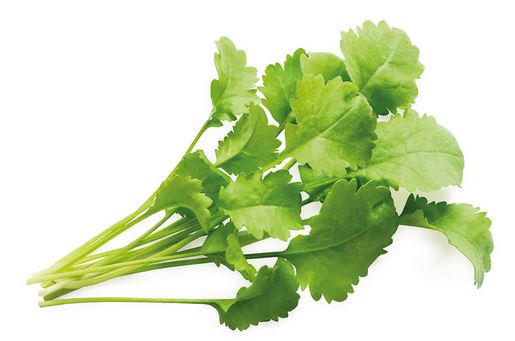
The Health Benefits and Uses of Garden Cress (Lepidium Sativum)
Garden cress, scientifically known as Lepidium sativum, is a fast-growing herb native to the Middle East and parts of Asia. It has been valued for centuries for its culinary and medicinal properties. Commonly referred to as “halim seeds” in some regions, this nutrient-dense plant offers numerous health benefits and is a staple in traditional medicine practices. In this article, we will explore the nutritional profile, health benefits, culinary uses, and potential side effects of garden cress, while providing practical insights on how to incorporate it into your daily routine.
Nutritional Profile
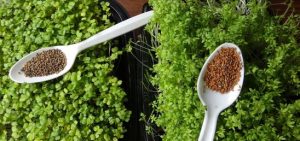
Garden cress is a powerhouse of essential nutrients, including vitamins, minerals, and antioxidants. A 100-gram serving of garden cress seeds contains:
- Proteins: Approximately 25 grams, making it a good plant-based protein source.
- Dietary Fiber: Helps in improving digestion and promoting gut health.
- Vitamins: Rich in Vitamin A, Vitamin C, Vitamin E, and several B-complex vitamins.
- Minerals: High concentrations of iron, calcium, magnesium, potassium, and zinc.
- Antioxidants: Garden cress contains phenolic compounds that combat oxidative stress.
- Essential Fats: Contains a small amount of healthy fats beneficial for heart health.
This impressive nutritional composition makes garden cress an excellent choice for those looking to boost their overall health and well-being.
Health Benefits of Garden Cress
- Supports Respiratory Health
Garden cress has long been used to alleviate symptoms of respiratory conditions such as asthma, bronchitis, and colds. The seeds contain natural expectorant properties that help clear the respiratory tract, making it easier to breathe.
- Boosts Immunity
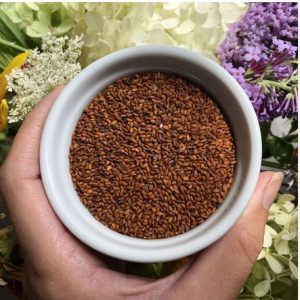
Rich in vitamin C and antioxidants, garden cress strengthens the immune system by protecting cells from damage caused by free radicals. Regular consumption can help the body fight infections and reduce the risk of chronic diseases.
- Promotes Digestive Health
The high fiber content in garden cress aids digestion by promoting regular bowel movements and preventing constipation. Additionally, it helps maintain a healthy balance of gut bacteria, improving overall digestive health.
- Enhances Iron Absorption
Garden cress seeds are an excellent natural remedy for anemia due to their high iron content. When consumed alongside vitamin C-rich foods, they improve the body’s ability to absorb iron efficiently.
- Supports Bone Health
Calcium and magnesium present in garden cress seeds contribute to strong bones and teeth. Regular consumption may help prevent osteoporosis and maintain bone density as you age.
- Regulates Menstrual Cycle
Traditionally, garden cress seeds have been used to regulate menstrual cycles and alleviate menstrual pain
. Their phytoestrogen content helps balance hormonal levels and supports reproductive health.
- Promotes Skin Health
The vitamins and antioxidants in garden cress promote skin health by protecting it from oxidative damage and supporting collagen production. This results in healthier, more youthful-looking skin.
- Improves Hair Growth
Rich in essential nutrients like iron, vitamins, and proteins, garden cress supports healthy hair growth, prevents hair fall, and strengthens hair follicles.
Culinary Uses of Garden Cress
Garden cress has a peppery, tangy flavor that makes it a versatile ingredient in various dishes. Here are some creative
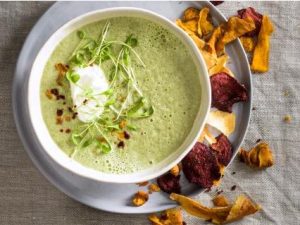
ways to include it in your meals:
- Salads: Add fresh garden cress leaves to green salads for a spicy kick.
- Smoothies: Blend garden cress seeds into your smoothies for added nutrition.
- Soups: Use garden cress as a garnish to enhance the flavor of soups.
- Sandwiches: Layer garden cress leaves in sandwiches for extra crunch and flavor.
- Seasoning: Ground garden cress seeds can be used as a seasoning in marinades, dressings, or sauces.
- Traditional Dishes: In some cultures, garden cress seeds are used in sweets and herbal remedies for their health benefits.
How to Use Garden Cress Seeds
To reap the maximum health benefits of garden cress seeds, follow these tips:
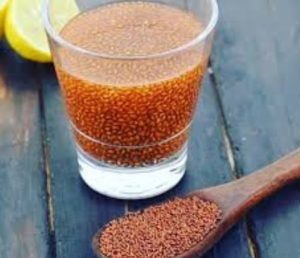
- Soaking: Soak the seeds in water for a few hours before consumption to improve digestibility.
- Roasting: Lightly roast the seeds to enhance their flavor and nutritional properties.
- Powder Form: Grind the seeds into a powder and sprinkle them over cereals, yogurts, or smoothies.
- Garden Cress Tea: Boil the seeds in water to make a tea that can help alleviate cold symptoms.
Precautions and Potential Side Effects
While garden cress is generally safe for consumption, there are a few precautions to keep in mind:
- Pregnancy and Breastfeeding: High consumption of garden cress seeds during pregnancy is not recommended as they may induce uterine contractions.
- Thyroid Function: Garden cress contains goitrogens, which may interfere with thyroid function if consumed in large quantities.
- Blood Pressure: The seeds may lower blood pressure, so individuals on medication for hypertension should consume them cautiously.
- Medication Interaction: Garden cress may interact with medications for diabetes and blood pressure, so consult your healthcare provider before adding it to your diet.
Tips for Growing Garden Cress at Home
Garden cress is easy to grow and requires minimal care, making it ideal for home gardeners:
- Choose the Right Location: Garden cress grows well in sunny or partially shaded areas.
- Soil Preparation: Use well-draining, nutrient-rich soil.
- Planting: Sow the seeds directly into the soil and cover them lightly with soil.
- Watering: Keep the soil moist but not waterlogged.
- Harvesting: The leaves are ready to be harvested within 7-14 days of planting.
Conclusion
Garden cress is a nutrient-rich herb with a multitude of health benefits, from boosting immunity to promoting skin health and aiding digestion. Its versatility in culinary applications makes it a valuable addition to any diet. By incorporating garden cress into your daily routine, you can enjoy its remarkable health benefits and elevate the flavor of your meals. Always consult a healthcare professional if you have concerns about potential interactions with medications or existing health conditions.
See
Causes and Management of Low Back Pain