
 By admin
The Black Seed: Nature’s Timeless Miracle for Modern Health
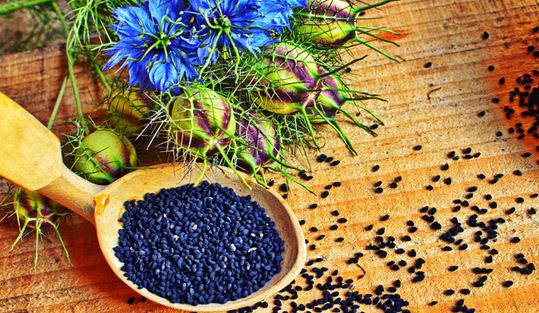
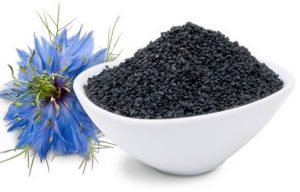
The black seed, scientifically recognized as Nigella sativa, has long been revered for its exceptional healing properties and nutritional value. Known by various names like black cumin, kalonji, or simply black seed, this small but potent ingredient has transcended cultural boundaries, cementing its status in both ancient traditions and modern scientific research. From ancient Egypt to contemporary wellness trends, the black seed stands as a beacon of natural health remedies. This comprehensive exploration sheds light on its historical significance, scientific validation, nutritional richness, and the ways it can be incorporated into daily life for optimal well-being.
A Rich Historical Legacy
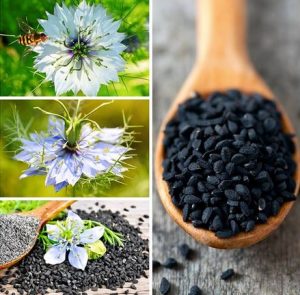
The historical journey of black seed spans millennia, deeply rooted in the cultures of ancient civilizations. Archeological evidence reveals that black seed oil was discovered in the tomb of Pharaoh Tutankhamun, signifying its revered status as a therapeutic and ritualistic substance in ancient Egypt. Egyptians valued it for its healing properties and used it to maintain skin and hair health.
In Greek medicine, black seed was celebrated by luminaries such as Hippocrates and Dioscorides. Hippocrates, often hailed as the “Father of Medicine,” prescribed it to aid digestion, while Dioscorides documented its application in treating headaches, nasal congestion, and toothaches.
In Islamic medicine, black seed holds a special place due to a renowned saying of Prophet Muhammad (peace be upon him): “Use the black seed, for it contains a cure for every disease except death.” This endorsement has perpetuated its use across the Middle East, North Africa, and South Asia, where it remains a cornerstone of traditional healing practices.
Nutritional Powerhouse
The extraordinary benefits of black seed are rooted in its unique nutritional composition. Each seed is a reservoir of vital compounds that contribute to its therapeutic potential. Key components include:
- Thymoquinone: A bioactive compound with powerful antioxidant, anti-inflammatory, and antimicrobial properties. It is central to black seed’s healing effects.
- Essential Fatty Acids: Including linoleic acid (omega-6) and oleic acid (omega-9), which support cardiovascular health, brain function, and skin vitality.
- Vitamins: Such as B1 (thiamine), B2 (riboflavin), B3 (niacin), and vitamin E, essential for cellular energy production and protection against oxidative damage.
- Minerals: Including calcium, magnesium, iron, zinc, and potassium, crucial for maintaining bone density, immune function, and muscle health.
- Amino Acids and Proteins: Necessary for cellular repair, muscle growth, and metabolic balance.
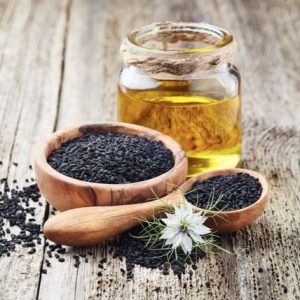
These nutrients make black seed an ideal candidate for addressing a wide array of health concerns while promoting overall vitality.
Proven Medicinal Benefits of Black Seed
Modern research has corroborated many of the traditional claims about black seed’s health benefits. Below are its most noteworthy therapeutic effects:
1. Potent Antioxidant and Anti-Inflammatory Properties
Thymoquinone, the primary bioactive compound, plays a critical role in combating oxidative stress by neutralizing harmful free radicals. This mechanism helps prevent chronic conditions like arthritis, cardiovascular diseases, and neurodegenerative disorders such as Alzheimer’s.
2. Immune System Fortification
Black seed is a natural immunomodulator, enhancing the body’s defense mechanisms against infections. Its antimicrobial, antiviral, and antifungal activities have been shown to support faster recovery during illness and bolster overall immunity, especially during flu seasons.
3. Support for Respiratory Health
Historically used to treat asthma and bronchitis, black seed helps open airways and reduce inflammation in the respiratory system. Its expectorant properties also make it effective in managing allergies and chronic coughs.
4. Digestive Aid
Black seed improves digestion by stimulating enzyme secretion and promoting healthy gut motility. Its antimicrobial properties support a balanced gut microbiome, while its ability to relieve bloating and gas makes it a go-to remedy for gastrointestinal discomfort.
5. Skin and Hair Health
The rich antioxidant and fatty acid profile of black seed oil makes it a sought-after ingredient in cosmetics. It soothes conditions like eczema, psoriasis, and acne while promoting skin hydration and elasticity. For hair, it reduces hair loss, strengthens follicles, and enhances scalp health.
6. Diabetes Management
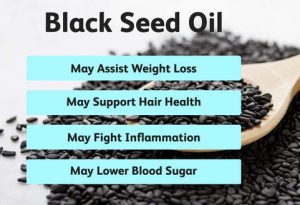
Several studies have highlighted black seed’s ability to regulate blood sugar levels by improving insulin sensitivity and reducing fasting glucose. This makes it a promising natural adjunct for diabetes management.
7. Cancer Research
Emerging evidence suggests that thymoquinone may possess anti-cancer properties. Laboratory studies have shown its ability to induce apoptosis (programmed cell death) in certain cancer cells, including breast, colon, and pancreatic cancers. While clinical trials are ongoing, these findings highlight its potential role in integrative cancer therapies.
Culinary Applications
Black seed’s slightly bitter, peppery flavor makes it a delightful addition to various cuisines. In Middle Eastern and South Asian dishes, it is used to enhance the taste of breads, curries, pickles, and salads. Incorporating black seed into meals not only enriches their flavor but also boosts their nutritional value. Its versatility as a culinary spice complements its role as a health supplement.
Practical Ways to Use Black Seed
There are several forms in which black seed can be consumed or applied:
- Whole Seeds: Sprinkle over baked goods, salads, or yogurt for a nutritional boost.
- Powdered Form: Mix into smoothies, soups, or teas.
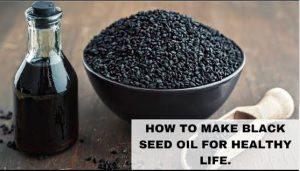
- Oil: Use cold-pressed black seed oil as a dietary supplement or apply it topically for skin and hair care.
- Capsules: Convenient for those who prefer precise dosages without the strong taste.
For maximum benefits, it is important to choose high-quality, organic black seed products from reputable suppliers.
Safety and Precautions
Although black seed is generally safe, excessive consumption may lead to adverse effects such as stomach upset or allergic reactions. Pregnant or breastfeeding women should consult a healthcare provider before use, as its effects during pregnancy are not thoroughly studied. Additionally, individuals on medications—particularly blood thinners or diabetes treatments—should be cautious about potential interactions.
Scientific Insights and Ongoing Research
Modern science continues to uncover the vast potential of black seed. Notable studies include:
- A 2013 publication in the Journal of Endocrinology and Metabolism demonstrating black seed oil’s role in improving insulin sensitivity and reducing blood sugar levels in diabetic patients.
- Research in the Asian Pacific Journal of Tropical Biomedicine highlighting its antimicrobial effectiveness against common pathogens.
- Findings in the Journal of Ethnopharmacology validating its traditional use for respiratory conditions and immune support.
Such research underscores black seed’s relevance in contemporary medicine and its potential to address pressing health challenges.
Sustainability and Ethical Sourcing
As the popularity of black seed grows, ensuring sustainable agricultural practices is essential. Ethical sourcing supports local farming communities and minimizes environmental impact. Consumers are encouraged to seek products with certifications indicating organic cultivation and fair trade practices to ensure both quality and sustainability.
Conclusion
The black seed is a testament to the enduring power of natural remedies, bridging the gap between ancient wisdom and modern science. From its historical use as a cure-all to its scientifically validated health benefits, it has rightfully earned its place as a cornerstone of holistic health. By incorporating black seed into daily life, individuals can unlock a wealth of physical, mental, and emotional well-being.
As research continues to unveil new possibilities, black seed remains a symbol of nature’s infinite wisdom, reminding us of the profound healing potential found in even the smallest of gifts. Whether consumed as a spice, supplement, or therapeutic oil, this miracle seed offers a timeless path to health and vitality.
Scientific Consensus on Alcohol as a Non-Food