
 By admin
Comprehensive Guide to the Causes and Management of Low Back Pain
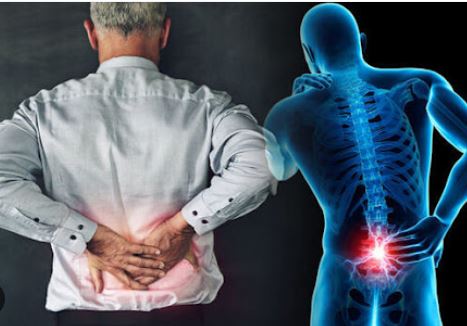
Low back pain is a prevalent condition in today’s modern and sedentary society. It affects both young adults and middle-aged individuals across genders. People who engage in prolonged sitting without regular physical activity or those who frequently carry heavy loads are particularly vulnerable. It is rare to encounter someone who has not experienced back pain at least once in their lifetime. The causes of low back pain range from minor issues, such as muscle strain, to severe conditions like spinal cancer. Consequently, back pain should never be ignored. Typically, the pain is localized in the lumbar and sacral regions and may radiate to nearby areas.
Common Causes of Low Back Pain
Low back pain can be broadly categorized into three main groups:
- Backache due to diseases in the back
- Backache due to gynecological issues
- Backache caused by problems in other parts of the body
1. Backache Due to Diseases in the Back
Various conditions directly affecting the spine and its surrounding structures can lead to back pain. These include:
a) Injuries:
- Compression fractures of the vertebral column: Commonly seen in cases of trauma or osteoporosis.
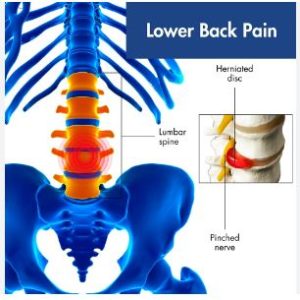
- Ruptured intervertebral discs: A leading cause of nerve compression and radiating pain.
- Injuries to ligaments and back muscles: Often caused by sudden movements or overexertion.
- Lumbosacral strain: Common in individuals performing repetitive physical activities.
- Intervertebral joint injuries: Caused by twisting or improper posture.
- Fractures of vertebral processes: Often a result of high-impact trauma.

b) Functional Backache Due to Imbalance:
- Pregnancy: Hormonal changes and weight gain can cause spinal stress.
- Potbelly: Increased abdominal girth alters spinal alignment.
- Diseases of the hip joint: Can lead to compensatory back pain.
- Congenital spinal curvature defects: Conditions such as scoliosis or kyphosis.
- Leg length discrepancies: Uneven limb lengths may result in spinal strain.
c) Backache Due to Inflammatory Conditions:
- Bacterial infections of the spine: Osteomyelitis can cause severe pain.
- Tuberculosis of the spine: Also known as Pott’s disease.
- Arthritis: Inflammatory conditions like rheumatoid arthritis.
- Brucellosis: A bacterial infection that can affect the spine.
- Fibrositis or lumbago: Inflammation of soft tissues in the lower back.
- Myositis: Muscle inflammation causing localized pain.
- Ankylosing spondylitis: A progressive inflammatory disease affecting the spine.
d) Backache Due to Degenerative Conditions:
- Osteoarthritis: Affects joints in the spine, leading to stiffness and pain.
- Osteoporosis: Common in elderly individuals, leading to brittle bones.
- Degeneration of intervertebral discs: Causes reduced spinal flexibility and nerve compression.
e) Tumors in the Spine:
- Primary tumors: Originate in the bones of the spine.
- Metastatic tumors: Spread from other organs, such as the prostate, lungs, kidneys, or intestines.

2. Backache Due to Gynecological Problems
Low back pain is often associated with gynecological conditions, particularly in women. Common causes include:
- Postpartum back pain: Resulting from the strain of childbirth.
- Post-gynecological surgery: Pain due to scar tissue or structural changes.
- Uterine prolapse: A condition where the uterus descends into the vaginal canal.
- Pelvic inflammatory disease (PID): Infections in the pelvic region.
- Cancerous lesions: Malignancies in pelvic organs like the uterus or ovaries.
- Endometriosis: A condition where endometrial tissue grows outside the uterus, causing pain.
3. Backache Due to Problems in Other Parts of the Body
Pain originating from other areas of the body can sometimes be referred to the lower back. Common examples include:
- Kidney stones: Causes sharp, radiating pain.
- Ureteric stones: Similar to kidney stones but localized to the ureter.
- Prostate cancer: Pain may spread to the lower back.
- Pancreatitis: Inflammation of the pancreas causing referred pain.
- Gallstones: Can cause pain radiating to the back.
- Peptic ulcers: Severe ulcers may lead to referred back pain.
- Inflammation of pelvic organs: Includes infections or other inflammatory processes.
- Vascular issues: Occlusion of the aorta or iliac arteries may result in back pain.
Diagnostic Methods for Low Back Pain
Proper diagnosis is essential to identify the underlying cause of back pain. Common investigations include:
- Complete Blood Count (CBC): To detect infections or systemic conditions.
- Routine Urine Examination: Helps identify urinary tract infections or kidney-related issues.
- Ultrasonography (USG): Useful for examining abdominal and pelvic organs.
- X-ray of the Lumbar and Sacral Spine: Detects fractures, deformities, or degenerative changes.
- Magnetic Resonance Imaging (MRI): Provides detailed images of soft tissues, nerves, and intervertebral discs.
- Computed Tomography (CT) Scan: Helps evaluate bone structures and detect tumors or fractures.
- Physical Examination: Includes assessment of the rectum, prostate, and genitourinary organs.
Management and Treatment Options for Low Back Pain
Effective management of back pain involves addressing the underlying cause and providing symptomatic relief. Common treatment strategies include:
1. Addressing the Root Cause
Identifying and treating the primary cause, such as infections, inflammation, or structural issues, is the first step in managing back pain.
2. Symptomatic Treatment
- Pain relievers such as nonsteroidal anti-inflammatory drugs (NSAIDs).
- Muscle relaxants for relieving spasms.
- Heat or cold therapy to reduce pain and swelling.
3. Back Exercises
Strengthening and stretching exercises can help improve flexibility, strengthen core muscles, and prevent further injuries.
4. Traction
Spinal traction can provide temporary relief by decompressing the spine.
5. Yoga
Incorporating yoga into daily routines can improve posture, flexibility, and overall spinal health. YOGA
6. Surgery
In severe cases, such as herniated discs, spinal tumors, or significant degenerative changes, surgical intervention may be necessary.
7. Alternative Therapies
Homeopathic treatments and other complementary therapies may provide relief for some individuals.
Prevention Tips for Low Back Pain
Preventive measures play a crucial role in reducing the risk of low back pain. These include:
- Regular Exercise: Incorporate activities like walking, swimming, or yoga to maintain spinal health.
- Maintain Good Posture: Sit and stand with proper alignment to avoid unnecessary strain.
- Ergonomic Workspaces: Use supportive chairs and maintain proper desk heights.
- Weight Management: Maintain a healthy weight to reduce stress on the spine.
- Avoid Heavy Lifting: Use proper techniques when lifting objects or seek assistance when necessary.
- Stress Management: Chronic stress can lead to muscle tension, contributing to back pain.
Conclusion
Low back pain is a multifactorial condition that requires careful evaluation to identify its underlying causes. By understanding the various contributing factors—from spinal disorders to systemic conditions—and adopting appropriate diagnostic and treatment strategies, individuals can effectively manage and prevent this common ailment. Taking proactive steps to maintain spinal health through exercise, posture correction, and lifestyle modifications can significantly reduce the risk of recurring back pain. If persistent back pain occurs, seeking professional medical advice is essential to address potential underlying conditions and ensure long-term relief.
The Key to Unlocking True Happiness