
 By admin
Argentina, the eighth-largest country in the world, captivates travelers with its extraordinary landscapes, dynamic cultural heritage, and rich traditions. From the cosmopolitan streets of Buenos Aires to the untouched wilderness of Patagonia, Argentina offers a diverse spectrum of experiences for every kind of traveler. This comprehensive guide explores the country’s society, culture, economy, art, heritage, sports, history, landmarks, and accommodations, providing essential insights for those planning to discover this South American treasure.
Society and Culture: A Fusion of Influences
Argentina’s society is a vibrant tapestry woven from diverse influences, predominantly European and indigenous. During the late 19th and early 20th centuries, waves of immigration from Italy, Spain, Germany, and other European nations shaped the country’s cultural landscape. These influences are palpable in the country’s language, architecture, cuisine, and daily life.
While Spanish is the official language, Italian and German linguistic traces remain prevalent in certain regions, and indigenous languages such as Quechua and Guarani are still spoken in northern provinces. Argentine society exhibits a unique blend of European refinement and Latin American vibrancy, reflected in its art, festivals, and everyday interactions.
Tango, Argentina’s iconic dance and music genre, epitomizes the country’s cultural identity. Originating in the working-class neighborhoods of Buenos Aires, this sensual and melancholic art form has become synonymous with Argentine culture and continues to enthrall audiences worldwide. The annual Buenos Aires Tango Festival is a global highlight, attracting thousands of dancers and enthusiasts.

Economic Impact of Tourism
As one of South America’s largest economies, Argentina benefits significantly from tourism, which is a vital contributor to national growth. The country’s economic landscape features a mix of agriculture, industry, and services. Efforts by the Argentine government to promote tourism have led to substantial investments in infrastructure and international marketing campaigns.
Tourism thrives on Argentina’s diverse offerings, including natural marvels like Iguazu Falls, the Andes Mountains, and the Patagonian glaciers, as well as cultural landmarks like Buenos Aires’ historic districts and Mendoza’s renowned wine regions. The relatively lower cost of living compared to other global tourist destinations adds to Argentina’s appeal for budget-conscious travelers.
Art and Heritage: A Rich Legacy of Creativity

Argentina boasts a flourishing artistic scene that draws inspiration from its complex history and multicultural identity. The country has produced literary giants such as Jorge Luis Borges and Julio Cortázar, whose contributions to global literature have been transformative. Buenos Aires, often called the “Paris of South America,” is a cultural epicenter filled with theaters, galleries, and museums.
The Museo Nacional de Bellas Artes in Buenos Aires holds one of Latin America’s most impressive collections, while the MALBA (Museum of Latin American Art of Buenos Aires) showcases modern and contemporary works from across the continent. Street art has also become a defining element of Argentine urban culture, particularly in districts like Palermo and La Boca.
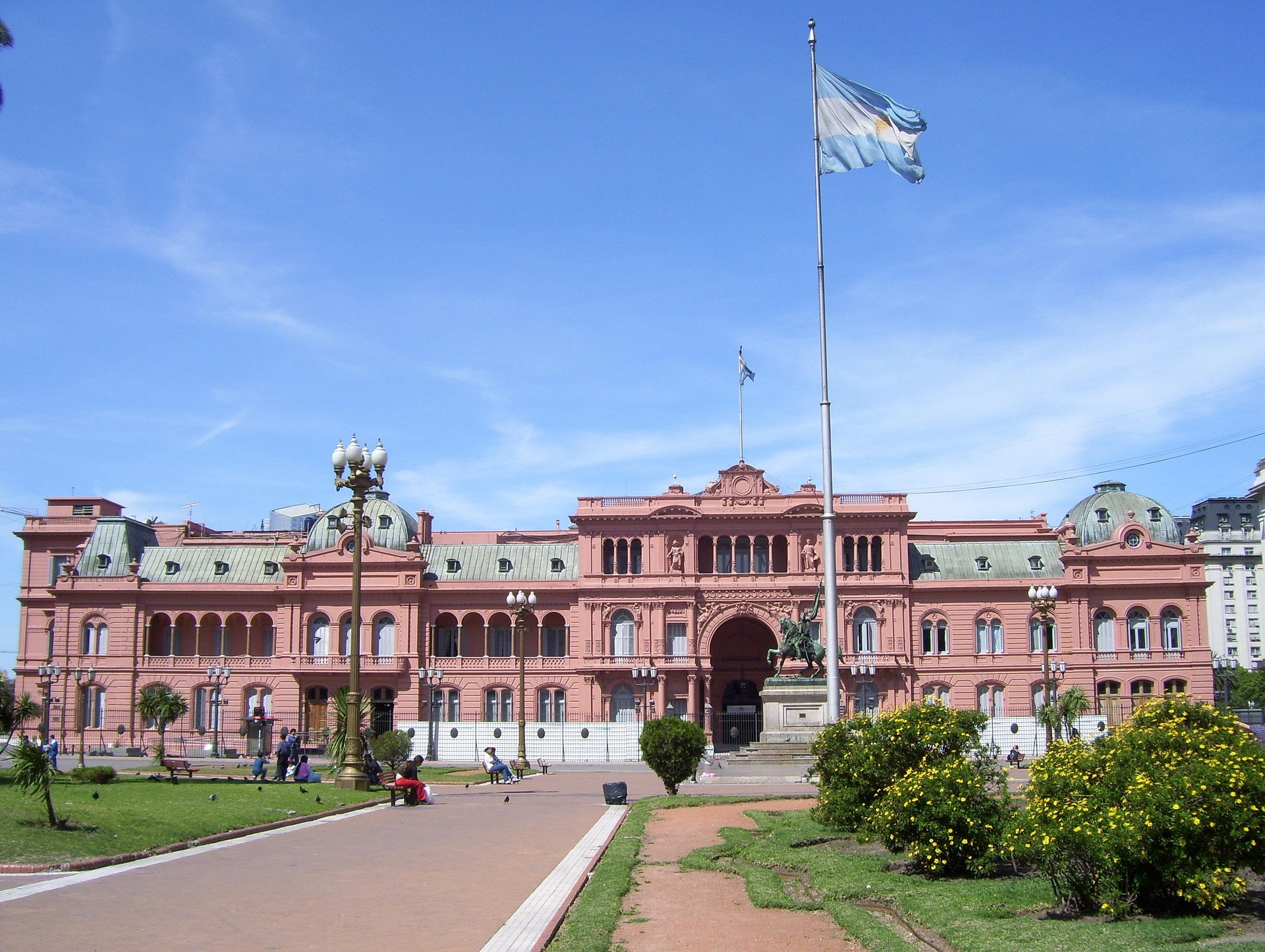
Architecturally, Argentina is a blend of colonial, neoclassical, and modernist designs. Notable landmarks include the iconic Obelisco, the stately Teatro Colón, and the Plaza de Mayo, which serves as a focal point for Argentine political and social life.
Sports: A National Passion
Sports are woven into the fabric of Argentine life, with football (soccer) reigning supreme. Legendary players such as Diego Maradona and Lionel Messi have become global icons, inspiring generations of fans. Attending a football match at a stadium like Boca Juniors’ La Bombonera is a thrilling experience, where the fervor of Argentine supporters is palpable.

Beyond football, the nation has a deep appreciation for rugby, tennis, and polo. The Argentine Open Polo Championship is regarded as one of the world’s premier polo events, drawing enthusiasts from across the globe. Argentine tennis stars such as Guillermo Vilas and Juan Martín del Potro have left lasting marks on the international sports scene.
Historical and Natural Landmarks
Argentina’s history is rich with narratives of indigenous cultures, colonial conquests, and a determined fight for independence from Spain, achieved in 1816. Landmarks throughout the country reflect this historical journey.
The Casa Rosada, Argentina’s presidential palace, stands as a symbol of political heritage, famously associated with Eva Perón’s stirring speeches from its balcony. The city of Córdoba is known for its well-preserved colonial architecture and is home to the Jesuit Block, a UNESCO World Heritage Site.
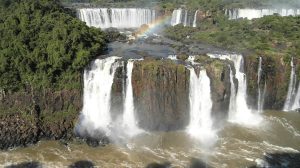
Natural wonders abound in Argentina. The Perito Moreno Glacier in Patagonia is a striking sight, with vast ic e formations drawing visitors year-round. Iguazu Falls, one of the largest and most awe-inspiring waterfall systems in the world, sits at the border with Brazil and is surrounded by lush rainforests teeming with wildlife.
Accommodations: Choices for Every Traveler
Argentina offers a wide range of accommodations to suit every budget and preference, from luxurious urban hotels to rustic countryside lodges.
In Buenos Aires, upscale options like the Palacio Duhau – Park Hyatt offer world-class amenities and refined elegance. Boutique hotels in neighborhoods like Palermo and San Telmo provide a more intimate and personalized stay. Travelers seeking a traditional Argentine experience can visit estancias (ranches) in the Pampas, where they can engage in activities like horseback riding and cattle herding while enjoying authentic asado (barbecue) feasts.
In Patagonia, eco-lodges and premium resorts like the Llao Llao Hotel & Resort near Bariloche offer stunning vistas and unparalleled comfort amid dramatic landscapes. These establishments often provide adventure-focused itineraries, including hiking, skiing, and wildlife observation.

A Unique and Unforgettable Destination
Argentina stands as a testament to nature’s majesty and human creativity. Its landscapes range from arid deserts to fertile plains and glacial terrains, while its cities pulse with artistic expression and historical resonance. The warmth and hospitality of the Argentine people leave an indelible impression on those who visit.
Whether savoring a glass of Malbec in Mendoza, dancing to the rhythm of tango in Buenos Aires, or marveling at the grandeur of Iguazu Falls, Argentina offers an immersive journey that captivates the senses and stirs the soul. It is a land that not only welcomes travelers but also leaves them yearning to return for more.
Society and Culture: The Heart of Thailand