
 By admin
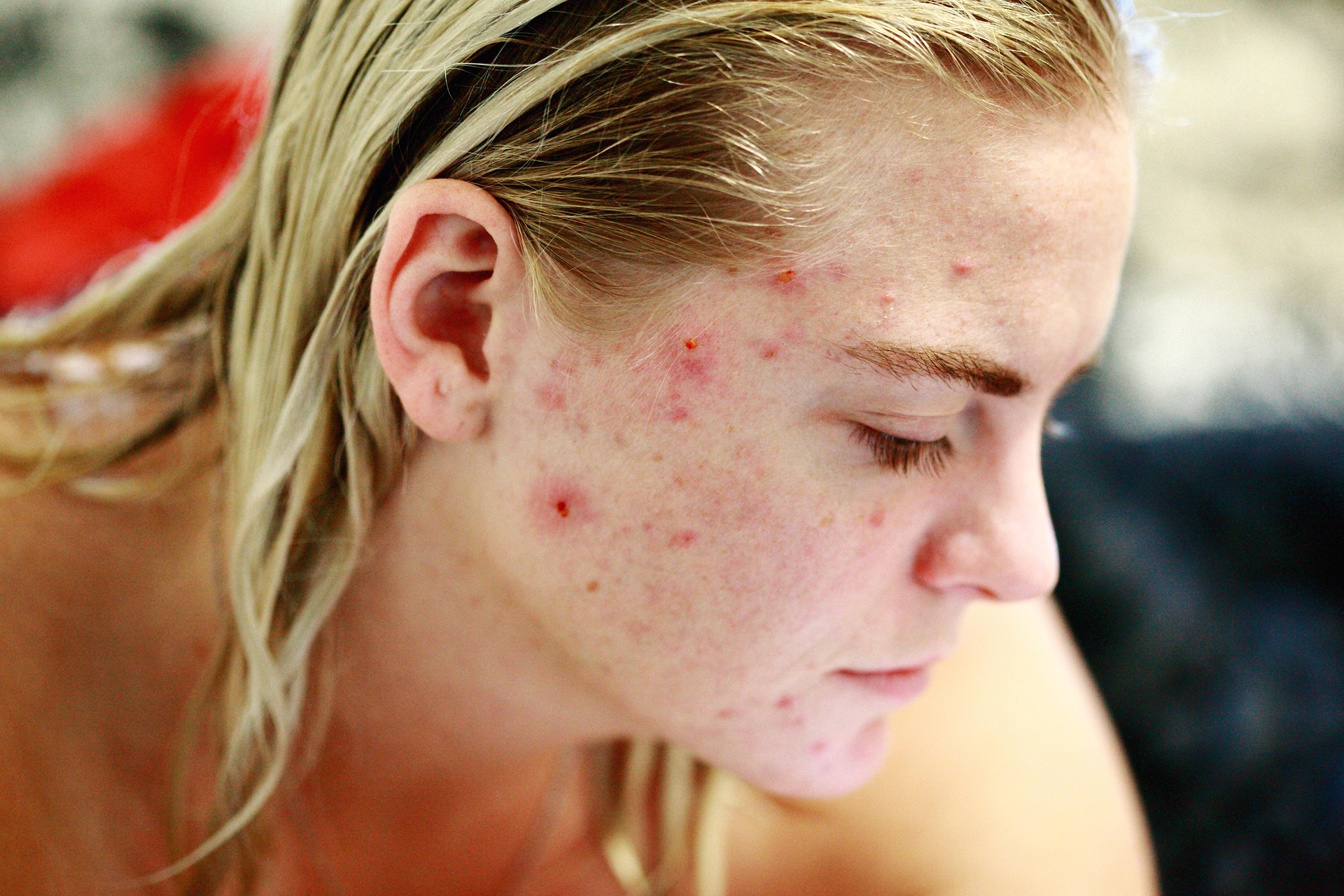
Comprehensive Guide to Acne and Its Treatment
Acne is a common yet frustrating skin condition that affects millions worldwide. Despite its prevalence, acne is manageable with the right approach and products. This guide explores the various categories of acne treatment, providing updated and practical insights to help you combat this condition effectively.
Categories of Acne Treatment
Acne treatments can be broadly categorized into three groups:
- Preventive or General Acne Care Products
- Over-the-Counter (OTC) Specialized Acne Products
- Prescription-Based Acne Treatments
1. Preventive or General Acne Care Products
Preventive acne care focuses on maintaining healthy skin and minimizing the risk of acne outbreaks. These products should be part of your daily skincare routine and include:
- Cleansers: Designed to remove dirt, oil, and impurities from the skin, cleansers prevent clogged pores, a primary cause of acne.
- Makeup Removers: Essential for clearing makeup residues that may lead to pore blockage and irritation.
- Exfoliants: Products like skin peels and scrubs help remove dead skin cells, reducing the likelihood of clogged pores and bacterial growth.
Some preventive products are specifically formulated to regulate sebum production and prevent bacterial proliferation. Key ingredients to look for include:
- Salicylic Acid: Helps exfoliate the skin and keep pores clear.
- Niacinamide: Reduces inflammation and regulates oil production.
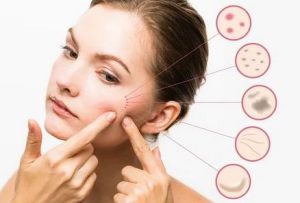
2. Over-the-Counter Specialized Acne Products
For mild to moderate acne, OTC acne products are readily available and effective. These treatments often target specific acne triggers such as excess oil and bacterial growth. Popular options include:
- Benzoyl Peroxide Products: Known for their antibacterial properties, benzoyl peroxide is effective in reducing acne-causing bacteria. Start with a lower concentration (e.g., 2.5% or 5%) to assess skin tolerance.
- Salicylic Acid-Based Treatments: These work by gently exfoliating the skin and preventing pore clogging.
- Alpha-Hydroxy Acids (AHAs): Found in moisturizers and serums, AHAs improve skin texture, reduce acne scars, and promote cell turnover.
- Clay Masks: Help absorb excess oil and cleanse pores.
When using OTC products, it’s important to monitor your skin’s response and avoid overuse, which can lead to irritation. If results are not visible after consistent use, consulting a dermatologist is recommended.
3. Prescription-Based Acne Treatments
For severe or persistent acne, dermatologist-prescribed treatments offer more targeted and potent solutions. These may include:
- Topical Treatments: Prescription-strength creams or gels containing retinoids, benzoyl peroxide, or antibiotics are applied directly to the affected areas.
- Oral Antibiotics: Help reduce inflammation and bacterial growth from within.
- Hormonal Therapies: For cases linked to hormonal imbalances, treatments such as oral contraceptives or anti-androgen medications can be highly effective.
- Isotretinoin: A powerful oral medication used for severe acne that doesn’t respond to other treatments. Due to potential side effects, it is only prescribed under close medical supervision.
Advanced Procedures for Acne Management
In addition to topical and oral treatments, dermatologists may recommend advanced procedures to address acne:
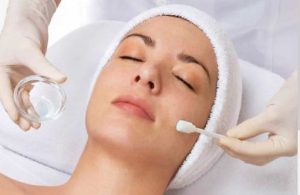
- Chemical Peels: Use acids like glycolic or salicylic acid to exfoliate the skin and reduce acne scars.
- Laser and Light Therapy: Target bacteria and reduce oil production with minimal downtime.
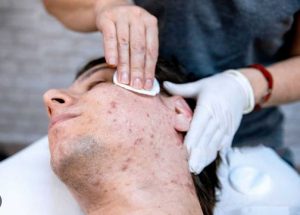
- Drainage and Extraction: A minor surgical procedure to remove large cysts or pustules. This should always be performed by a professional to avoid scarring.
Preventing Acne: Tips and Best Practices
Beyond skincare products, adopting a healthy lifestyle and consistent routine can significantly reduce acne outbreaks:
- Maintain a Balanced Diet: Limit sugar and dairy intake, which may exacerbate acne. Focus on nutrient-rich foods like vegetables, fruits, and omega-3 fatty acids.
- Stay Hydrated: Proper hydration supports skin health and reduces dryness.
- Avoid Touching Your Face: Minimize contact to prevent transferring bacteria and oils.
- Choose Non-Comedogenic Products: Opt for skincare and makeup products labeled “non-comedogenic” to avoid pore-clogging.
- Manage Stress: Practice mindfulness, exercise, or other stress-relief techniques to prevent stress-induced acne.
Key Ingredients to Look For
When selecting acne treatments, look for scientifically proven ingredients:
- Retinoids: Promote skin cell turnover and reduce inflammation.
- Tea Tree Oil: A natural antiseptic with antibacterial properties.
- Sulfur: Absorbs excess oil and has antibacterial effects.
- Zinc: Reduces inflammation and supports skin healing.
When to See a Dermatologist
If acne persists despite following preventive measures and using OTC products, consult a dermatologist. They can diagnose underlying causes, such as hormonal imbalances or genetic predispositions, and provide a tailored treatment plan.
Conclusion
Acne management is a combination of consistent skincare, healthy habits, and, when needed, professional treatment. By understanding the different types of acne products and their applications, you can develop a comprehensive approach to clear and healthy skin. With patience and the right strategy, tackling acne is not only possible but achievable.
Causes and Management of Low Back Pain