
 By admin
Comprehensive Guide to Growing Vegetables: Tips for a Thriving Garden
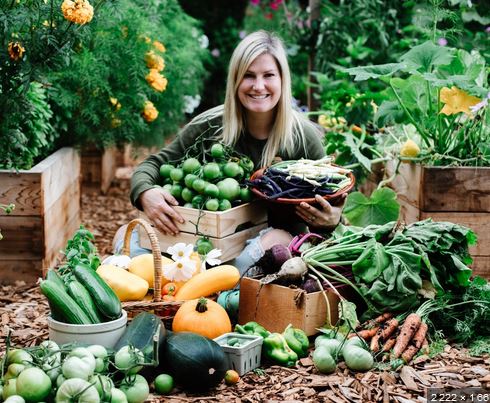
Creating a vibrant vegetable garden is a rewarding endeavor for gardeners of all levels. Whether you’re cultivating bush beans, beets, cabbages, or melons, understanding the unique needs of each plant is essential to ensure a successful harvest. This guide offers modern insights and techniques to help you grow a healthy and productive vegetable garden.
1. Choosing Between Bush Beans and Pole Beans
Bush beans and pole beans both offer unique advantages, but the choice largely depends on your gardening goals and available space. Bush beans are compact, making them ideal for small gardens or container planting. On the other hand, pole beans grow vert
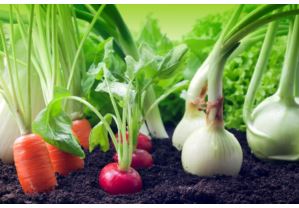
ically, providing higher yields per square foot and adding a decorative element to your garden.
Growing Tip:
For pole beans, consider creating an arch using flexible tree branches or old fences. This not only supports the plants but also enhances the visual appeal of your garden. Rich, sandy soil with proper aeration and early preparation helps beans thrive. Plant bush
beans 18 inches apart and pole beans 3 feet apart for optimal growth.
2. Beet Cultivation: Soil Preparation and Planting Techniques
Beets are versatile vegetables that flourish in rich, sandy loam. Avoid using fresh manure as it can damage beet roots. Instead, create a trench filled with composted organic matter to nourish the plants as they grow.
Best Practices:
- Space beet rows 12 inches apart for easier maintenance.
- Plant seeds once the weather has stabilized in early spring.
- Use young beet greens in salads for added nutrition.
To preserve the nutrients when cooking, avoid cutting beet tops or roots too closely. Instead, gently pinch them off to minimize bleeding.
3. The Cabbage Family: Diversity and Care
The cabbage family includes a variety of vegetables such as cauliflower, broccoli, Brussels sprouts, kale, and kohlrabi. Each type has specific requirements to maximize its yield and flavor.
Cauliflower
Known for its delicate flavor, cauliflower thrives in nutrient-rich soil and requires regular watering. Protect the developing heads by bending the outer leaves over them to maintain their white color.
Kale
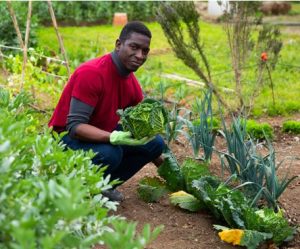
A frost-resistant cousin of cabbage, kale is easy to grow in early spring or fall. Its nutrient density makes it a favorite among health-conscious gardeners.
Brussels Sprouts
These miniature cabbages grow vertically along a stalk. Plant them in mid-summer for a late autumn harvest. Ensure ample spacing (18 inches between rows) to promote healthy development.
4. Root Vegetables: Carrots and Kohlrabi
Root vegetables require well-prepared soil and specific spacing to flourish.
Carrots
Long-rooted varieties need soil depth of at least 18 inches, while short-rooted types require only 8 inches. Thin seedlings gradually to use young carrots in meals while leaving space for the remaining plants to mature.
Kohlrabi
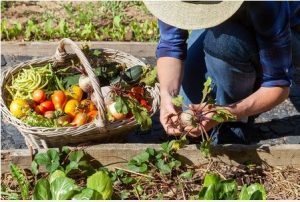
A unique blend of cabbage and turnip, kohlrabi’s edible bulb grows above the soil. Sow seeds in early spring and thin plants to 12 inches apart for optimal growth. Use kohlrabi in salads or as a cooked vegetable for a distinct flavor.
5. Cucumbers: A Refreshing Addition to Any Garden
Cucumbers, likely originating from India, prefer sandy, nutrient-rich soil. Start seeds indoors and transplant them outdoors once frost danger has passed. Plant in hills spaced 4 feet apart, thinning to three plants per hill once established.
For pest control, sprinkle lime or sand around the base of plants. If growing cucumbers in a greenhouse, consider introducing bees for effective pollination.
6. Lettuce: A Decorative and Nutritious Staple
Lettuce is not only a staple salad ingredient but also an ornamental addition to your garden. Compact heads and lush gree
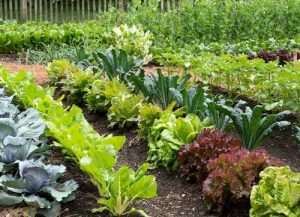
n leaves add beauty to any space.
To enjoy tender lettuce throughout the season, plant seeds every two weeks during spring and summer. Remove older plants before they go to seed to ensure continuous production of fresh, mild-tasting leaves.
7. Melons and Pumpkins: Sweet and Savory Delights
Melons
Muskmelons and watermelons require well-drained, fertile soil. Plant seeds in hills spaced 4–10 feet apart, depending on the variety. Pinch the vines early to encourage branching and fruit development. For added pest resistance, use a layer of mulch around the base of plants.
Pumpkins
A nostalgic symbol of autumn, pumpkins are perfect for pies and decorations. Plant them between rows of corn for space efficiency. Avoid planting pumpkins and squash together to prevent cross-pollination, which can affect flavor and quality.
8. General Tips for a Successful Vegetable Garden
Soil Preparation
The foundation of any thriving garden is healthy soil. Incorporate organic compost to boost fertility and structure. Early soil preparation also exposes insect larvae, providing natural pest control as birds consume them.
Watering Techniques
Water deeply and consistently, especially during dry spells. Drip irrigation systems can ensure an even water supply without over-saturating the roots.
Pest Control
Companion planting is an effective organic method to deter pests. For example:
- Plant marigolds near beans to repel aphids.
- Use basil to keep insects away from tomatoes.
Conclusion
Growing a vegetable garden is both an art and a science. By understanding the unique requirements of each plant, you can create a productive and visually stunning space. Whether you’re cultivating tender lettuce, juicy melons, or robust kohlrabi, thoughtful planning and care will ensure a bountiful harvest. Gardening not only provides fresh produce but also connects us with nature, offering a sense of fulfillment and tranquility.
Properly Caring for Your Fruit Tree