
 By admin
Comprehensive Guide to Properly Caring for Your Fruit Tree
Growing a healthy and productive fruit tree is both an art and a science. Whether you’re a novice gardener or someone seeking to improve your skills, understanding the best practices for fruit tree care is essential. In fact, more fruit trees fail in their early years due to improper care than due to pests or diseases. To ensure the success of your tree and enjoy a bountiful harvest for years to come, let’s explore modern, effective techniques for nurturing fruit trees.
1. Understanding the Early Stages of Growth
When a fruit tree is newly planted, its roots, trunk, and branches are still in the process of developing sufficient strength to support itself. During this stage, young trees are particularly vulnerable. If the tree begins to bear fruit prematurely, the combined weight of the fruit can strain or even break branches. To prevent this, provide external support to your tree:
- Branch Supports: Use wooden stakes or poles to prop up heavy branches.
- Tying for Stability: Secure branches with soft ties to a higher structure, ensuring you do not damage the bark.
By offering support during these formative years, your tree will eventually become self-sufficient and robust.
2. The Role of Proper Nutrition
Nutrition is the cornerstone of a healthy fruit tree. Without adequate nutrients, trees struggle to thrive and produce quality fruit. The specific nutritional needs vary depending on the species, soil type, and climate. Here are some key considerations:
- Soil Testing: Before planting or fertilizing, test your soil’s pH and nutrient levels. Most fruit trees thrive in slightly acidic to neutral soil (pH 6.0 to 7.0).
- Fertilizers: Choose a balanced fertilizer specifically designed for fruit trees. Products rich in nitrogen, phosphorus, and potassium are ideal. For personalized advice, consult local nursery professionals who understand the needs of your region’s soil and climate.
- Organic Options: Compost, well-rotted manure, or bone meal can provide slow-releasing nutrients and improve soil structure.
3. Watering Wisely
Contrary to popular belief, overwatering a fruit tree can be more detrimental than underwatering. Excess water can lead to root rot, fungal diseases, and diminished fruit quality. Follow these guidelines for proper watering:
- Frequency: Water deeply but infrequently. Most fruit trees require deep watering once or twice a week, depending on the weather and soil type.
- Drip Irrigation: Consider using a drip irrigation system to deliver consistent moisture directly to the root zone.
- Mulching: Apply a layer of organic mulch (e.g., wood chips or straw) around the base of the tree to retain moisture and regulate soil temperature. Keep mulch a few inches away from the trunk to prevent rot.
4. Pruning and Maintaining Tree Health
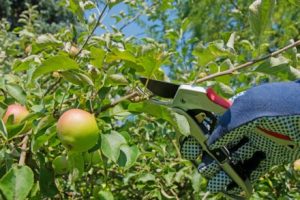
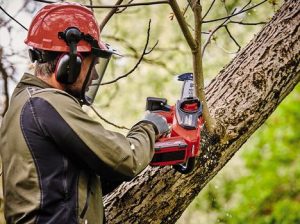
Regular pruning is essential for maintaining the health and shape of your fruit tree. Proper pruning enhances air circulation, reduces the risk of diseases, and encourages productive growth.
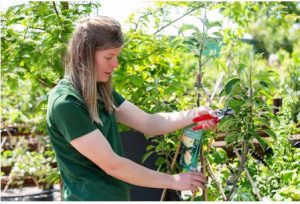
- Remove Diseased or Damaged Branches: As soon as you notice a branch that appears unhealthy, prune it. This prevents the tree from wasting nutrients on branches that cannot recover.
- Shape Your Tree: In the early years, focus on creating a strong structure by trimming competing branches and encouraging the growth of a central leader or an open canopy, depending on the species.
- Seasonal Pruning: Prune dormant trees in late winter or early spring before new growth begins. For summer pruning, focus on removing suckers and water sprouts.
5. Dealing with Fallen and Rotting Fruit
Leaving fruit on the ground or the tree after it’s ripe can invite pests and diseases. Proper maintenance of the orchard floor is crucial:
- Harvest Promptly: Regularly pick ripe fruits to prevent overburdening the tree and minimize waste.
- Clean Up Fallen Fruit: Rake up any fruit that falls to the ground. Rotting fruit can attract insects like fruit flies and create a breeding ground for diseases.
- Dispose of Rotten Fruit: Do not compost diseased fruit. Instead, discard it to prevent pathogens from spreading.
6. Pest and Disease Management
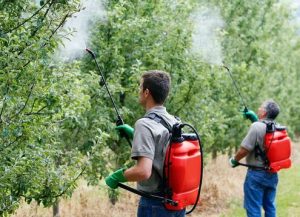
Modern gardening practices emphasize integrated pest management (IPM), a balanced approach to dealing with pests and diseases while minimizing chemical use. Here’s how to protect your fruit tree effectively:
- Regular Inspections: Check leaves, branches, and fruit for signs of pests or diseases such as discoloration, holes, or mold.
- Natural Predators: Encourage beneficial insects like ladybugs and lacewings to control pest populations naturally.
- Organic Sprays: Use neem oil or insecticidal soap to treat common pests like aphids and mites.
- Fungicides: Apply fungicides if you notice signs of fungal infections like powdery mildew or scab.
7. Pollination and Cross-Pollination
Pollination is critical for fruit production. While some fruit trees are self-pollinating, others require cross-pollination with another variety to set fruit. Consider the following:
- Planting Compatible Varieties: If your tree requires cross-pollination, plant a compatible variety nearby.
- Attracting Pollinators: Grow pollinator-friendly flowers and herbs around your orchard to attract bees and other pollinating insects.
8. Protecting Your Tree from Environmental Stress
Environmental factors such as extreme temperatures, wind, and drought can impact your tree’s health. Protect your tree by:
- Using Tree Guards: Wrap young tree trunks with guards to prevent sunscald and pest damage.
- Windbreaks: Plant shrubs or install fencing to shield your tree from strong winds.
- Frost Protection: Cover your tree with frost cloths during late spring frosts to protect blossoms and developing fruit.
9. Patience and Long-Term Care
Caring for a fruit tree is a long-term commitment. Trees take several years to mature and produce significant harvests. However, your patience will be rewarded with abundant, high-quality fruit.
- Annual Maintenance: Make a habit of conducting yearly assessments of your tree’s health, soil quality, and pruning needs.
- Keep Learning: Stay updated on best practices for fruit tree care by consulting gardening books, online resources, and local horticultural experts.
10. Sustainable Practices for Future Growth
Adopting sustainable practices ensures that your fruit tree remains healthy while also benefiting the environment:
- Composting: Recycle yard waste and kitchen scraps to create nutrient-rich compost for your tree.
- Water Conservation: Implement rainwater harvesting systems to reduce reliance on municipal water.
- Biodiversity: Cultivate a diverse garden ecosystem that supports beneficial insects and reduces the need for chemical interventions.
Conclusion
Caring for a fruit tree may seem challenging, but by understanding its needs and adopting proactive strategies, you can ensure its success. From providing proper nutrition and water to managing pests and pruning, every step plays a vital role in the tree’s growth and productivity. With consistent care and patience, your fruit tree will reward you with years of beauty and delicious harvests.
Historical Significance of Rosemary