
 By admin
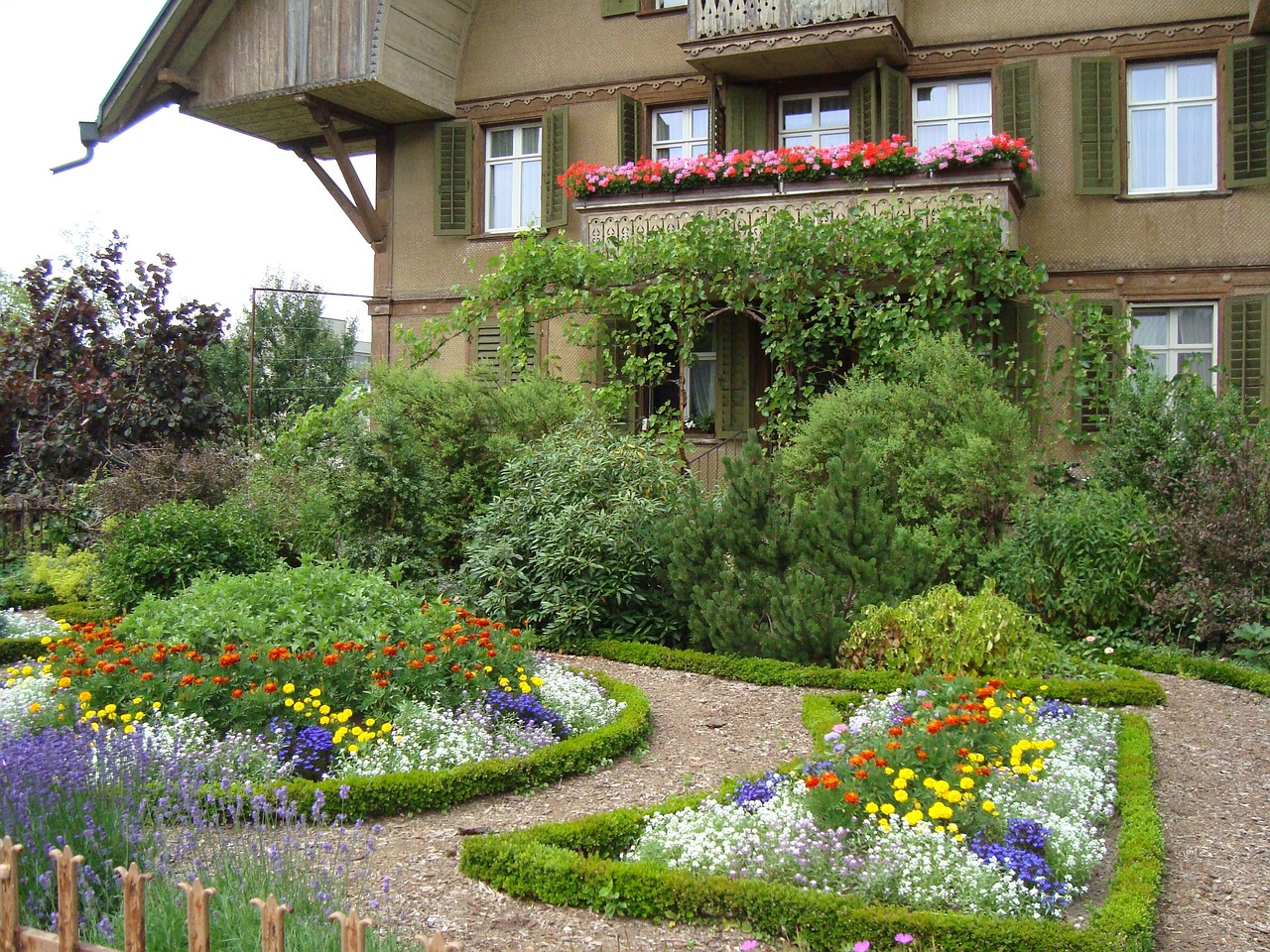
Starting a garden can be a rewarding and enriching experience. It not only beautifies your surroundings but also offers an opportunity to connect with nature and even enjoy the fruits (or vegetables) of your labor. However, choosing the right type of garden is critical to ensuring that your efforts align with your goals, resources, and available time. This guide will help you explore the various garden options and select one that fits perfectly with your lifestyle and preferences.
1. Flower Gardens: Beauty and Simplicity
If your primary goal is to enhance the aesthetic appeal of your outdoor space, a flower garden might be the perfect choice. These gardens are often filled with perennial flowers, which are known for their resilience and ability to thrive year-round in suitable climates.
- Low Maintenance: Once established, many perennial flowers require minimal care.
- Year-Round Beauty: Certain varieties bloom throughout the year, providing consistent visual appeal.
- Attract Pollinators: Flower gardens can attract bees, butterflies, and birds, promoting biodiversity in your yard.
Tips for Starting a Flower Garden:
- Research flowers that thrive in your local climate and soil type.
- Choose a mix of colors, heights, and blooming seasons for a vibrant display.
- Incorporate mulch to retain soil moisture and reduce weeds.
While flower gardens are visually stunning, they don’t offer tangible produce. However, for many, the serene beauty
and simplicity make them a worthwhile endeavor.
2. Vegetable Gardens: A Practical and Rewarding Choice
For those who enjoy cooking with fresh ingredients or wish to reduce their grocery bills, a vegetable garden can be a fantastic option. While it requires more planning and effort than a flower garden, the rewards are tangible and delicious.
Advantages of a Vegetable Garden:
Key Benefits of Flower Gardens:
- Fresh Produce: Enjoy the satisfaction of growing your own healthy, organic vegetables.
- Seasonal Variety: With proper planning, you can harvest different crops year-round.
- Cost Savings: Growing your own vegetables can significantly reduce your grocery expenses.
Steps to Build a Thriving Vegetable Garden:
- Start small and gradually expand your garden as you gain experience.
- Choose vegetables suited to your region’s climate and growing season.
- Implement crop rotation to maintain soil health and prevent pests.
- Consider companion planting to maximize space and improve yields.

A vegetable garden strikes a balance between effort and reward, making it an excellent choice for hobbyists who want a productive garden without dedicating every waking moment to maintenance.
3. Fruit Gardens: Sweet Rewards with High Commitment
Fruit gardens are ideal for those who are willing to invest significant time and effort in exchange for delicious, homegrown fruits. However, they are among the most demanding garden types due to their maintenance requirements and vulnerability to pests.
Why Choose a Fruit Garden?
- Exceptional Flavor: Freshly picked fruits often taste far better than store-bought varieties.
- Long-Term Investment: Many fruit trees and shrubs can produce for years once established.
- Health Benefits: Homegrown fruits are free from harmful chemicals and preservatives
.
Challenges of a Fruit Garden:
-
- Pest Management: Sweet fruits attract insects and other pests, requiring effective but safe pest control measures.
- Soil and Fertilizer Needs: Fruit plants often have specific soil and nutrient requirements.
- Seasonal Production: Most fruit plants have limited harvest windows, so proper planning is essential.

Tips for Successful Fruit Gardening:
- Choose fruit varieties that thrive in your climate zone.
- Test and amend your soil to meet the specific needs of your plants.
- Implement organic pest control methods to ensure fruit safety.
- Prune trees and shrubs regularly to promote healthy growth and maximize yields.
A fruit garden can be incredibly rewarding for those with the time and dedication to manage its complexities. The sweet rewards make the effort worthwhile for many.
4. Herb Gardens: Compact and Convenient
If you have limited space or prefer a garden that’s easy to maintain, an herb garden might be the ideal solution. Herbs are versatile and can be grown in small outdoor spaces or even indoors on a windowsill.
Benefits of an Herb Garden:

- Culinary Delight: Fresh herbs elevate the flavor of home-cooked meals.
- Medicinal Uses: Many herbs have therapeutic properties and can be used for teas or remedies.
- Compact Size: Perfect for apartments, balconies, or small yards.
Tips for Growing Herbs:
- Use well-draining soil and ensure adequate sunlight (6-8 hours daily).
- Start with easy-to-grow herbs like basil, mint, thyme, and parsley.
- Harvest regularly to encourage new growth and prevent plants from becoming woody.
Herb gardens are low-maintenance, making them a great choice for beginners or those with limited gardening time.
5. Mixed Gardens: The Best of All Worlds
For those who can’t choose just one type of garden, a mixed garden might be the answer. Combining flowers, vegetables, fruits, and herbs in a single space can create a dynamic and multifunctional garden.
Advantages of a Mixed Garden:
- Diverse Rewards: Enjoy visual beauty, fresh produce, and culinary herbs all in one space.
- Efficient Use of Space: Companion planting can maximize your garden’s productivity.
- Pollinator Support: Flowers attract beneficial insects that help pollinate fruits and vegetables.
Tips for Creating a Mixed Garden:
- Plan your layout carefully to ensure each plant gets the sunlight and space it needs.
- Group plants with similar water and soil requirements.
- Use vertical gardening techniques to save space and increase yield.
A mixed garden requires careful planning and ongoing management but offers a wide range of benefits that make it a favorite among experienced gardeners.

Choosing the Right Garden for You
Ultimately, the best garden for you depends on your goals, available time, and personal interests. Here are a few questions to help you decide:
- What is your primary goal? Aesthetic appeal, fresh produce, or a combination of both?
- How much time can you dedicate to gardening?
- What resources do you have available? Consider space, soil quality, and budget.
By aligning your garden choice with your lifestyle and preferences, you’ll create a space that brings joy and satisfaction for years to come. Whether it’s the vibrant colors of a flower garden, the practicality of a vegetable plot, the sweetness of a fruit orchard, or the convenience of an herb garden, there’s a perfect garden waiting for you to cultivate. Happy gardening!
0 Inspiring Sayings to Help You Thrive in Life