
 By admin
The Evolution of iPods: From Their Debut to the Revolutionary iPod Video
The journey of the iPod is a fascinating tale of technological innovation, market adaptation, and consumer-centric design. From its inception in 2001 to the groundbreaking introduction of the iPod video in 2005, Apple’s iconic device revolutionized the way we listen to music, watch videos, and interact with digital media. This article explores the evolution of iPods, detailing their transformative impact on the tech industry and their enduring legacy.

The Birth of the iPod: Addressing a Market Gap
In the early 2000s, the digital music player market was plagued by subpar products that failed to meet consumer expectations. While digital devices like cameras and organizers were advancing rapidly, music players lagged behind. Recognizing this gap, Apple assembled a team of talented engineers to create a device that would redefine portable music. After less than a year of intense development, Apple unveiled the first iPod on October 23, 2001.
The first-generation iPod was a game-changer. It featured a 5 GB hard drive capable of storing 1,000 songs, an innovative scroll wheel for easy navigation, and a sleek, minimalist design. The market quickly embraced the device, and its success set the stage for a new era of digital music consumption.
Expanding Compatibility: iPod for Mac and Windows Users
Initially designed exclusively for Mac users, the iPod’s potential was limited by its compatibility. Recognizing this limitation, Apple launched an updated version of the iPod in 2002 that supported both Mac and Windows operating systems. This strategic move significantly expanded the device’s market reach, leading to skyrocketing sales and cementing Apple’s dominance in the portable music industry.

By 2005, the iPod had sold over 42 million units globally, a testament to its popularity and Apple’s relentless commitment to innovation. Each new iteration of the iPod introduced features that enhanced user experience, ensuring the product remained at the forefront of consumer technology.
The Fourth Generation: Introducing the Color Screen
The fourth-generation iPod, released in 2004, marked a significant milestone in the device’s evolution. For the first time, the iPod featured a color screen, allowing users to view album artwork, photos, and more in vibrant detail. This enhancement not only improved the device’s aesthetic appeal but also laid the groundwork for future multimedia capabilities.
Around the same time, Apple diversified its iPod lineup with the introduction of the iPod Mini, a smaller and more affordable version of the flagship device. The Mini’s compact design and variety of colors appealed to a broader audience, further boosting iPod sales.
The Fifth Generation: Enter the iPod Video
In 2005, Apple unveiled the fifth-generation iPod, commonly known as the iPod video. This revolutionary device transformed the iPod from a music player into a versatile multimedia platform. With video playback capabilities, users could now watch movies, TV shows, and personal videos on their iPods, a feature that resonated with a tech-savvy audience.

The iPod video was available in two storage capacities: 30 GB and 60 GB. It supported MPEG-4 and H.264 video formats, offering high-resolution playback of up to 480×480 pixels. The device also featured a 2.5-inch color screen, a significant upgrade from previous models. Despite its enhanced capabilities, the iPod video was remarkably slim and lightweight, measuring just 4.1 x 2.4 x 0.43 inches for the 30 GB model and slightly thicker for the 60 GB version.
Innovative Features and Design Enhancements
Beyond its video capabilities, the iPod video introduced several new features that elevated the user experience. These included:
- World Clock and Stopwatch Applications: Useful tools for frequent travelers and fitness enthusiasts.
- Screen Lock: Enhanced security for personal content.
- Improved Accessories: The iPod video came with smaller earphones, a thin slipcase, and optional AC adapters and FireWire cables.
- Extended Battery Life: The device offered up to 20 hours of audio playback, although video usage reduced battery life to around 2-3 hours.
The iPod video was available in two classic colors: white and black. Its elegant design and intuitive interface made it a must-have gadget, and it quickly became a cultural phenomenon.

Companion Devices: iPod Nano and iPod Shuffle
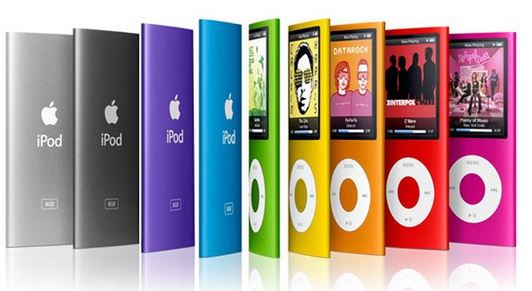
Alongside the iPod video, Apple also launched new models of the iPod Nano and iPod Shuffle in 2005. These devices catered to different segments of the market. The iPod Nano, with its color screen and ultra-slim design, appealed to style-conscious consumers, while the iPod Shuffle’s affordable, screen-free design made it an entry-level option for budget-conscious buyers.
The combination of these devices ensured that Apple’s iPod lineup had something for everyone, further solidifying its dominance in the portable media player market.
The Legacy of the iPod
The iPod’s journey from a simple music player to a multimedia powerhouse reflects Apple’s commitment to innovation and user-centric design. By continually pushing the boundaries of what a portable device could do, Apple redefined the way people interact with digital media.
The success of the iPod paved the way for future innovations, including the iPhone and iPad. Many of the features that debuted on the iPod, such as the click wheel and iTunes integration, became foundational elements of Apple’s ecosystem.
Conclusion
The evolution of the iPod is a testament to Apple’s ability to anticipate and respond to consumer needs. From its humble beginnings as a music player to the groundbreaking iPod video, this iconic device has left an indelible mark on the tech industry. With millions of units sold worldwide and a legacy of innovation, the iPod remains one of the most influential products in the history of consumer electronics.
The Complexity of Data Recovery