
 By admin
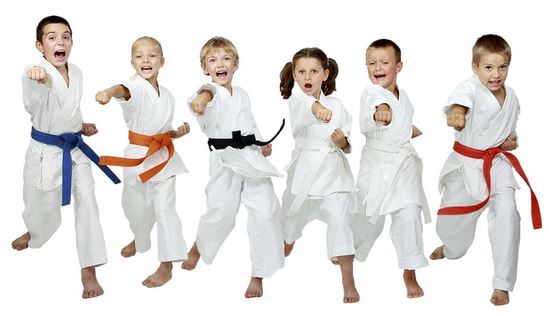
A Comprehensive Insight into Martial Arts Belts
In the realm of martial arts, belts play a pivotal role in representing an individual’s rank, skill, and dedication to their craft. These colorful pieces of cloth are more than just accessories; they serve as symbols of progression, discipline, and mastery. However, the belt ranking system is not universally standardized, as it varies significantly across different martial arts styles and schools. This article delves into the origins, significance, and nuances of the martial arts belt system, offering a detailed exploration of its evolution and purpose.

The Historical Roots of the Belt System
The use of belts in martial arts to signify rank dates back to the late 19th century, with its origins tied to Jigoro Kano, the founder of Kodokan Judo. Kano initially introduced only two belt colors: white and black. White belts represented beginners, while black belts signified advanced practitioners. His intention was to create a clear distinction between novices and those qualified to participate in higher-level activities or competitions.
Kano’s system quickly gained popularity, inspiring other martial arts disciplines to adopt similar ranking structures. Over time, additional belt colors were introduced to denote intermediate levels of expertise, providing a more granular representation of a student’s progress. This evolution laid the foundation for the modern belt systems seen in martial arts styles such as Karate, Taekwondo, and Brazilian Jiu-Jitsu.
The Purpose of Belt Colors
The primary function of martial arts belts is to visually communicate a practitioner’s skill level and experience within their discipline. Each color represents a stage of growth, both technically and mentally. For students, belts serve as tangible milestones that motivate them to persevere and achieve their goals. For instructors, belts provide a framework for assessing and guiding students through their martial arts journey.
Common Belt Progression in Martial Arts
While the specific colors and progression vary by style and school, the typical sequence includes:
- White Belt: Symbolizes a blank slate, representing the beginning of the martial arts journey.
- Yellow Belt: Denotes the introduction of foundational techniques and concepts.
- Orange Belt: Reflects a deeper understanding of basic skills and improved coordination.
- Green Belt: Indicates growth and the ability to apply techniques with greater proficiency.
- Blue Belt: Represents advanced knowledge and the ability to integrate techniques fluidly.
- Brown Belt: Signifies mastery of fundamental skills and readiness for advanced concepts.
- Black Belt: The pinnacle of achievement, symbolizing expertise, discipline, and the responsibility to mentor others.
Some martial arts styles include additional belts or stripes within these categories to further differentiate skill levels.
Variations Across Schools and Styles
Despite the widespread adoption of the belt ranking system, there is no universal standard for requirements or criteria. For instance, a black belt earned at one school may not equate to the same level of proficiency at another. This discrepancy is especially pronounced in styles with large global followings, such as Karate and Taekwondo. Different schools often tailor their curriculum and testing procedures to align with their philosophy and teaching methods.
Martial Arts Without Belts
Not all martial arts styles utilize belts to signify rank. Disciplines such as Shootfighting and Pitfighting prioritize practical self-defense skills over formal ranking systems. These styles focus on real-world application rather than ceremonial progression, making them distinct from traditional martial arts. Although they lack the structured hierarchy associated with belts, they still demand discipline and dedication from practitioners.
The Symbolism and Psychological Impact of Belts
Belts in martial arts are not merely indicators of technical ability; they also hold deep symbolic and psychological significance. For students, advancing to the next belt represents personal growth, perseverance, and the culmination of countless hours of practice. The journey to earning a black belt, in particular, is often seen as a transformative experience, instilling confidence, humility, and a sense of accomplishment.
From a psychological perspective, the belt system fosters a goal-oriented mindset. By breaking down the path to mastery into achievable steps, it helps students stay motivated and engaged. This structured progression is especially beneficial for younger practitioners, as it teaches valuable life skills such as goal setting, resilience, and time management.
Challenges and Criticisms of the Belt System
While the belt system has many advantages, it is not without its challenges and criticisms. One common issue is the potential for inconsistent standards between schools, leading to disparities in skill levels among practitioners with the same rank. Additionally, the commercialization of martial arts has, in some cases, resulted in the dilution of belt requirements, with some schools prioritizing financial gain over the integrity of their ranking system.
Another criticism is the overemphasis on belts as a measure of success. This can lead to a “belt-chasing” mentality, where students focus solely on advancing ranks rather than fully absorbing and mastering the techniques. To address this, many instructors emphasize the importance of the journey and the values instilled through martial arts training, rather than solely focusing on the end goal.
The Black Belt: A Milestone, Not an Endpoint
Earning a black belt is often regarded as the ultimate achievement in martial arts. However, seasoned practitioners understand that it is not the end of the journey but rather the beginning of a new phase. A black belt signifies that a student has mastered the fundamentals and is now ready to explore the deeper aspects of their art. It also comes with the responsibility to mentor and inspire others, contributing to the growth and preservation of the martial arts community.
The Future of Martial Arts Belts
As martial arts continue to evolve, so too will the belt ranking systems. Modern innovations, such as digital training platforms and global competitions, may influence how ranks are assessed and standardized. Additionally, efforts to promote greater consistency and transparency across schools could help address some of the challenges associated with the current system.
Despite these changes, the core purpose of belts—to inspire growth, discipline, and excellence—will remain unchanged. Whether through traditional ceremonies or modern adaptations, the belt system will continue to serve as a cornerstone of martial arts practice.
Conclusion
The belt system in martial arts is a time-honored tradition that embodies the principles of discipline, perseverance, and personal growth. From its humble beginnings with Jigoro Kano to its widespread adoption across countless styles, the system has become an integral part of martial arts culture. While it is not without its flaws, the belt system’s ability to motivate and inspire practitioners makes it an invaluable tool in the pursuit of mastery. Whether you are a white belt just starting your journey or a black belt refining your craft, the lessons learned through the belt system extend far beyond the dojo, shaping not just martial artists but well-rounded individuals.
Health Tips for Fitness Enthusiasts