
 By admin
The Architecture of Existence: Mastering the Art of Choice and Decision-Making
Introduction
Human life unfolds as a continuous sequence of decisions—some trivial, others profoundly transformative. From the simplest daily habits to life-altering commitments, every choice contributes to shaping our identity, experiences, and future trajectory. Rather than being passive recipients of fate, individuals actively construct their realities through the decisions they make. In this sense, life is not merely a series of events but an intricate architecture built upon conscious and unconscious choices.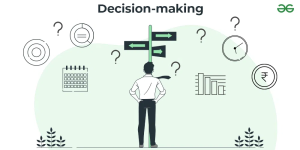
In today’s rapidly evolving world, characterized by digital connectivity, global opportunities, and constant change, decision-making has become both more complex and more critical than ever. The abundance of options, while empowering, often leads to confusion, hesitation, and anxiety. This modern dilemma raises essential questions: How do we make the right decisions? Is there such a thing as a perfect choice? And how can we navigate uncertainty with confidence?
This article explores the philosophy, psychology, and practical strategies behind effective decision-making. By understanding the dynamics of choice, individuals can transform uncertainty into opportunity and cultivate a life of purpose, clarity, and intentional growth.
The Journey of Life: A Landscape of Infinite Choices
Life as a Dynamic Pathway
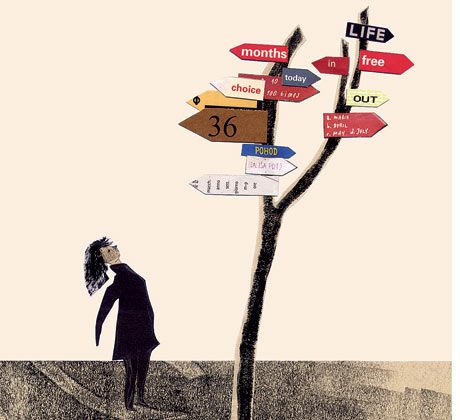
Life is often compared to a journey—a metaphor that captures its unpredictability, diversity, and progression. This journey is not linear; instead, it consists of multiple paths, intersections, and detours. Each path represents a set of possibilities, and each intersection symbolizes a decision point that can alter the course of our lives.
Some paths are smooth and predictable, offering stability and comfort. Others are uncertain, filled with risks and challenges, yet rich in potential growth and discovery. The diversity of these paths reflects the complexity of human existence.
Key Domains of Decision-Making
Throughout life, individuals encounter decisions across several major domains:
1. Relationships and Emotional Bonds
Choices related to relationships significantly influence emotional well-being. Decisions about friendships, partnerships, marriage, or solitude shape not only personal happiness but also long-term life satisfaction.
2. Career and Professional Direction
Selecting a career path is one of the most impactful decisions an individual can make. Whether pursuing entrepreneurship, corporate advancement, or creative expression, each path carries distinct risks and rewards.
3. Lifestyle and Values
From financial habits to health choices, lifestyle decisions reflect personal values and priorities. These choices determine the quality of life and overall fulfillment.
The Crossroads Phenomenon
At certain moments, life presents us with critical crossroads—points where decisions carry significant consequences. These moments often involve uncertainty, limited information, and emotional pressure. The inability to predict outcomes makes these decisions particularly challenging.
Yet, it is precisely at these crossroads that personal growth occurs. The choices made in these moments define character, resilience, and direction.
The Modern Paradox of Choice
Abundance vs. Overwhelm
In the digital age, individuals are exposed to an unprecedented number of options. While this abundance enhances freedom, it also introduces a psychological burden. The more choices available, the harder it becomes to decide.
This phenomenon, widely known as the paradox of choice, suggests that excessive options can lead to stress, dissatisfaction, and decision paralysis.
Analysis Paralysis
When faced with too many possibilities, individuals may become overwhelmed, leading to analysis paralysis—a state in which overthinking prevents action. Instead of making a decision, individuals remain stuck, fearing the consequences of making the wrong choice.
The Illusion of the Perfect Decision
A common misconception is the belief in a “perfect” decision—one that guarantees success, happiness, and certainty. In reality, such guarantees do not exist. Every decision carries inherent risks and uncertainties.
Accepting this reality is crucial. Rather than seeking perfection, individuals should aim for informed and intentional decisions that align with their values and goals.
Understanding the Psychology of Decision-Making
Cognitive Biases and Their Influence
Human decision-making is not purely rational. It is influenced by cognitive biases—systematic patterns of deviation from logical thinking. Some common biases include:
- Confirmation Bias: Favoring information that supports existing beliefs.
- Loss Aversion: Preferring to avoid losses rather than acquire gains.
- Overconfidence Bias: Overestimating one’s knowledge or abilities.
Recognizing these biases helps individuals make more balanced and objective decisions.
Emotional Impact on Choices
Emotions play a significant role in decision-making. Fear, excitement, anxiety, and hope can all influence judgment. While emotions provide valuable insights, relying solely on them can lead to impulsive or irrational decisions.
Effective decision-making requires a balance between emotional intuition and rational analysis.
The Role of Experience
Past experiences shape future decisions. Successes build confidence, while failures provide valuable lessons. Instead of viewing past mistakes negatively, they should be seen as learning opportunities that enhance decision-making skills.
The Cost of Indecision
Stagnation and Missed Opportunities
Indecision is often more harmful than making the wrong choice. Remaining in a state of uncertainty leads to stagnation, preventing progress and growth.
Opportunities are time-sensitive. Failing to act can result in missed chances that may never return.
Erosion of Self-Confidence
Repeated indecision can weaken self-trust. When individuals doubt their ability to make decisions, they become increasingly dependent on external validation, further complicating the decision-making process.
Choosing Movement Over Perfection
Taking action—even imperfect action—is essential. Progress is achieved through movement, not hesitation. Each decision, regardless of outcome, contributes to personal development.
A Strategic Framework for Effective Decision-Making
To navigate complex choices, a structured approach is essential. The following framework provides practical steps for making informed and confident decisions.
1. Situational Awareness and Information Gathering
Understanding the context of a decision is the first step. This involves:
- Identifying key facts and separating them from assumptions
- Understanding the urgency and importance of the decision
- Considering the perspectives of others involved
In the information age, access to data is abundant, but critical thinking is essential to distinguish reliable information from noise.
2. Expanding the Range of Options
Avoid limiting decisions to binary choices. Instead, explore multiple possibilities:
- Combine different options
- Delay decisions strategically when appropriate
- Seek creative alternatives
Expanding options increases the likelihood of finding optimal solutions.
3. Evaluating Consequences
A thorough evaluation of potential outcomes is crucial. Consider:
Short-Term vs. Long-Term Impact
Some decisions offer immediate benefits but long-term drawbacks, while others require short-term sacrifice for long-term gain.
Risk Assessment
Understanding potential risks helps in preparing for challenges and minimizing negative outcomes.
Alignment with Core Values
Decisions should reflect personal values and long-term aspirations. Misalignment often leads to dissatisfaction.
4. Decision Execution and Commitment
Once a decision is made, commitment is essential. Doubt and second-guessing can undermine progress.
Trusting one’s judgment is a skill developed over time. The more decisions individuals make, the stronger their confidence becomes.
Living with Decisions: Growth Beyond Choice
Acceptance and Responsibility
Every decision carries consequences. Accepting responsibility for these outcomes is a sign of maturity and personal growth.
Blaming external factors limits growth, while accountability fosters resilience.
Learning from Outcomes
Not all decisions lead to desired results. However, every outcome provides valuable insights:
- What worked well?
- What could be improved?
- What lessons can be applied in the future?
This reflective process transforms experiences into tools for better decision-making.
Adaptability and Resilience
Life is unpredictable, and even well-informed decisions may lead to unexpected outcomes. Adaptability allows individuals to adjust their course when necessary.
Resilience ensures that setbacks do not define the journey but rather strengthen it.
The Power of Intentional Living
Designing a Purpose-Driven Life
Intentional living involves making decisions aligned with a clear sense of purpose. This requires:
- Defining personal goals
- Understanding core values
- Prioritizing meaningful activities
When decisions are guided by purpose, life becomes more coherent and fulfilling.
Building Self-Trust
Confidence in decision-making comes from experience and self-awareness. By consistently making thoughtful choices, individuals develop trust in their judgment.
This self-trust reduces anxiety and enhances clarity in future decisions.
Embracing Uncertainty
Uncertainty is an inherent part of life. Instead of fearing it, individuals should embrace it as a space for growth and opportunity.
The willingness to step into the unknown is often the key to achieving extraordinary outcomes.
Conclusion
Life is fundamentally shaped by the choices we make. Each decision, whether small or significant, contributes to the architecture of our existence. In a world filled with endless possibilities, the ability to make clear, confident, and intentional decisions is one of the most valuable skills an individual can develop.
While uncertainty and risk are unavoidable, they should not be barriers to action. By understanding the psychology of decision-making, recognizing the limitations of perfection, and adopting a structured approach, individuals can navigate life’s complexities with greater confidence and clarity.
Ultimately, the goal is not to eliminate mistakes but to grow from them. Every decision is an opportunity to learn, evolve, and move closer to a life of purpose and fulfillment. The path forward may not always be visible, but with courage, awareness, and intentionality, it can always be created.
Origins of Archery in Prehistoric Times