
 By admin
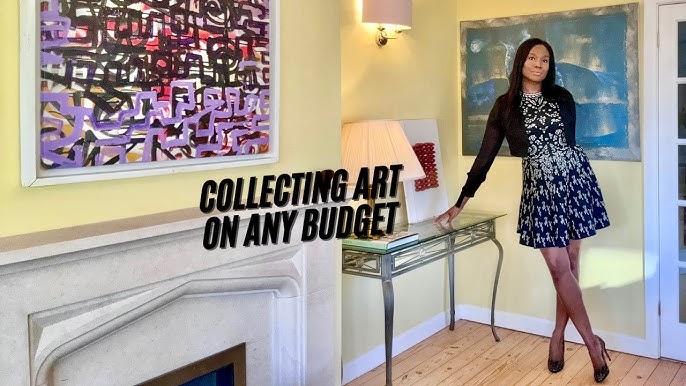
Art Collecting for Beginners: A Modern, Professional Guide to Building Your First Collection
Introduction
Art collecting is no longer an exclusive pastime reserved for elite circles, wealthy investors, or renowned institutions. In today’s dynamic and interconnected world, it has evolved into an accessible, inspiring, and deeply personal pursuit for individuals from all walks of life. Whether you are drawn to visual storytelling, cultural expression, or aesthetic beauty, art collecting offers a unique opportunity to engage with creativity while potentially building long-term value.
With the rise of online galleries, digital marketplaces, and global art fairs, entering the art world has never been easier. However, beginners often feel overwhelmed by choices—ranging from original works and prints to framing techniques and display strategies. Understanding the fundamentals is essential to making confident, informed decisions that align with both your taste and budget.
This comprehensive guide explores the modern landscape of art collecting, helping beginners navigate essential considerations such as choosing between prints and originals, understanding framing techniques, evaluating quality, and curating a cohesive collection. By the end, you will be equipped with the knowledge and confidence to begin your art collecting journey with purpose and passion.
1. Understanding Art Collecting in the Modern Era
1.1 What Is Art Collecting?
Art collecting is the practice of acquiring artworks based on personal taste, cultural interest, or investment potential. These artworks may include paintings, photography, sculptures, digital art, and mixed media. Unlike traditional perceptions, modern collecting emphasizes emotional connection and storytelling rather than prestige alone.
1.2 Why Start an Art Collection?
There are several compelling reasons to begin collecting art:
- Personal Expression: Art reflects your identity, values, and aesthetic preferences.
- Emotional Enrichment: Living with art enhances mood, creativity, and inspiration.
- Cultural Engagement: Collecting supports artists and preserves cultural narratives.
- Investment Potential: Certain artworks may appreciate over time.
1.3 The Democratization of Art
Thanks to technology, art is more accessible than ever. Online platforms, virtual exhibitions, and social media allow collectors to discover emerging artists globally. This democratization has shifted the focus from exclusivity to inclusivity, making art collecting a viable hobby for beginners with modest budgets.
2. Choosing Between Prints and Original Artworks
2.1 What Are Original Artworks?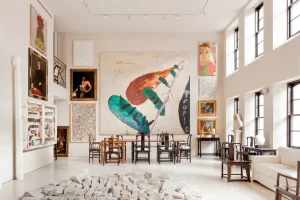
Original artworks are one-of-a-kind creations made directly by the artist. These include paintings, hand-drawn illustrations, and unique mixed media pieces. Originals often carry higher value due to their uniqueness and artistic authenticity.
2.2 What Are Art Prints?
Art prints are reproductions of original works, created using high-quality printing techniques. These may include limited editions or open editions, depending on the number of copies produced.
2.3 Prints vs. Originals: Key Differences
| Feature | Originals | Prints |
|---|---|---|
| Uniqueness | One-of-a-kind | Multiple copies |
| Price | High | Affordable |
| Texture | Rich, dimensional | Flat (in most cases) |
| Investment Value | Potentially high | Moderate |
2.4 Why Beginners Should Consider Prints
For those new to art collecting, prints offer several advantages:
- Affordability: High-quality prints allow you to own beautiful art without overspending.
- Variety: You can explore different styles and artists.
- Low Risk: Ideal for experimenting before committing to expensive originals.
Modern printing technologies have significantly improved quality, making prints visually stunning and far from “cheap-looking.” Many seasoned collectors proudly include prints in their collections.
2.5 When to Invest in Originals
As your knowledge and confidence grow, you may choose to invest in original artworks. Consider originals when:
- You deeply connect with the piece.
- You want to support a specific artist.
- You view the purchase as a long-term investment.
3. Where to Buy Art Today
3.1 Online Marketplaces
Platforms such as digital galleries and artist websites offer a wide selection of artworks. These platforms often include detailed descriptions, artist biographies, and pricing transparency.
3.2 Art Fairs and Exhibitions
Art fairs provide opportunities to see artworks in person, meet artists, and compare styles. They are excellent venues for discovering emerging talent.
3.3 Local Galleries
Supporting local galleries helps promote regional artists while giving you access to curated collections and expert advice.
4. The Art of Framing: Enhancing Visual Impact
4.1 Why Framing Matters
Framing is not merely decorative—it plays a crucial role in protecting and enhancing artwork. A well-chosen frame can elevate a piece, while a poor choice can diminish its appeal.
4.2 Types of Frames
4.2.1 Metal Frames
- Sleek and modern
- Affordable and durable
- Ideal for contemporary interiors
4.2.2 Wooden Frames
- Warm and classic appearance
- Available in various finishes such as cherry and mahogany
- Suitable for traditional or elegant spaces
4.2.3 Ornate Frames
- Highly decorative
- Often hand-carved
- Best for classical or vintage artworks
4.3 Choosing the Right Frame Color
Neutral tones such as black, bronze, or natural wood are safe and versatile choices. These colors complement most artworks without overpowering them.
4.4 Understanding Matting
Matting involves placing a border (usually paper or board) between the artwork and the frame. While mats can enhance presentation, they must be chosen carefully:
- Benefits: Adds depth and focus

- Risks: Poor color choices may distract from the artwork
4.5 Professional vs. DIY Framing
Beginners are encouraged to observe professional framers before attempting DIY framing. Professionals can provide valuable insights into materials, proportions, and design combinations.
5. Displaying Your Art Collection
5.1 Placement Matters
Consider the environment where your artwork will be displayed:
- Lighting: Avoid direct sunlight to prevent fading
- Height: Eye-level placement ensures optimal viewing
- Spacing: Avoid overcrowding walls
5.2 Creating a Cohesive Look
A well-curated collection should feel harmonious. This can be achieved by:
- Maintaining a consistent color palette
- Using similar frame styles
- Grouping artworks by theme or artist
5.3 Home vs. Office Display
Art in a home setting may reflect personal taste, while office displays often emphasize professionalism and sophistication. Choose accordingly.
6. Budgeting and Smart Collecting Strategies
6.1 Setting a Budget
Determine how much you are willing to spend before making purchases. This prevents impulsive buying and ensures sustainable collecting.
6.2 Starting Small
Begin with affordable pieces such as prints or works by emerging artists. Over time, gradually expand your collection.
6.3 Research and Education
Learn about artists, techniques, and market trends. Knowledge is a powerful tool in making informed decisions.
7. Common Mistakes to Avoid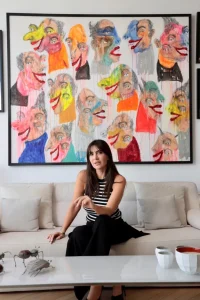
7.1 Buying for Status Instead of Passion
Always choose artworks that resonate with you personally rather than following trends or external opinions.
7.2 Ignoring Quality
Even affordable pieces should meet certain quality standards in materials and craftsmanship.
7.3 Poor Framing Choices
A mismatched frame can undermine the beauty of your artwork.
8. The Future of Art Collecting
8.1 Digital Art and NFTs
The rise of digital art and blockchain technology has introduced new forms of ownership and investment. While still evolving, this space offers exciting opportunities for collectors.
8.2 Sustainability in Art
Eco-friendly materials and ethical sourcing are becoming increasingly important in the art world.
8.3 Global Accessibility
The internet continues to break geographical barriers, allowing collectors to access art from diverse cultures and regions.
Conclusion
Art collecting is a deeply rewarding journey that combines creativity, personal expression, and cultural appreciation. For beginners, the key lies in starting with curiosity and building knowledge over time. Whether you choose affordable prints or invest in original masterpieces, every piece you acquire contributes to a unique narrative that reflects your identity.
By understanding the fundamentals—such as selecting between prints and originals, mastering framing techniques, and making thoughtful purchasing decisions—you can create a collection that is both visually stunning and personally meaningful.
Ultimately, art collecting is not about perfection or prestige. It is about connection—connecting with artists, stories, and emotions that resonate with you. With patience, passion, and informed choices, anyone can become a successful art collector in today’s vibrant and inclusive art world.
The Illusion of the Perfect Decision