
 By admin

A Complete Guide to Choosing Sunglasses: Style, Eye Protection, and Modern Lens Technology
Introduction
Sunglasses are no longer just seasonal fashion accessories. In today’s world, they are essential tools for eye protection, visual comfort, and personal style. Whether you are driving through bright city streets, relaxing on the beach, hiking in the mountains, or simply walking outdoors on a sunny day, the right pair of sunglasses can dramatically improve your vision and safeguard your eyes from long-term damage.
Modern consumers now expect more from sunglasses than ever before. People want eyewear that combines advanced UV protection, high-quality materials, comfort, durability, and fashionable design. With countless brands, lens technologies, and frame styles available, choosing the perfect pair can feel overwhelming. Many buyers focus only on appearance, overlooking critical factors such as ultraviolet protection, lens coatings, polarization, and frame construction.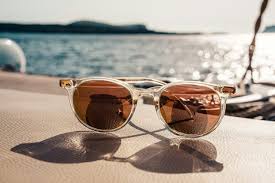
A quality pair of sunglasses should do much more than look stylish. It should protect your eyes from harmful ultraviolet rays, reduce glare, improve clarity, and provide lasting comfort. Poor-quality sunglasses may actually increase the risk of eye damage because dark lenses without UV protection cause the pupils to dilate, allowing more harmful radiation into the eyes.
Understanding what makes sunglasses truly effective is essential before making a purchase. This comprehensive guide explains everything you need to know about selecting the ideal sunglasses for your lifestyle, face shape, activities, and long-term eye health.
Why Sunglasses Matter More Than Ever
Protecting Your Eyes from UV Radiation
One of the most important reasons to wear sunglasses is protection from ultraviolet (UV) radiation. Extended exposure to UV rays can contribute to serious eye conditions, including cataracts, macular degeneration, photokeratitis, and long-term retinal damage.
There are two major types of UV rays that affect eye health:
UVA Rays
UVA rays penetrate deeply into the eye and may contribute to aging-related eye diseases and tissue damage.
UVB Rays
UVB rays are more intense and are strongly linked to corneal damage and cataracts.
High-quality sunglasses should block 99% to 100% of both UVA and UVB radiation. This is often labeled as “UV400 protection,” meaning the lenses block wavelengths up to 400 nanometers.
Consumers should never assume that darker lenses automatically provide better protection. Lens darkness only affects visible brightness, not UV filtration. Cheap sunglasses with dark tint but no UV protection may actually be worse than wearing no sunglasses at all.
Understanding Sunglass Lens Technology
The Importance of Lens Quality
The lens is the heart of every pair of sunglasses. High-performance lenses improve visual clarity, reduce eye strain, and enhance comfort during outdoor activities.
Modern sunglasses are available with several advanced lens technologies designed for different environments and lifestyles.
Polarized Lenses
Polarized sunglasses have become increasingly popular because they significantly reduce glare reflected from flat surfaces such as:
- Roads
- Water
- Snow
- Glass buildings
- Wet pavement
Glare reduction improves visibility and reduces eye fatigue, making polarized sunglasses ideal for:
- Driving
- Fishing
- Boating
- Skiing
- Beach activities
- Outdoor sports
Advantages of Polarized Lenses
- Sharper vision
- Reduced eye strain
- Improved contrast
- Better comfort in bright conditions
- Enhanced safety while driving
Potential Drawbacks
Polarized lenses may make it difficult to read some digital screens, dashboards, or LCD displays. Certain pilots and machine operators may also avoid polarization for this reason.
Photochromic Lenses
Photochromic lenses automatically darken in sunlight and become clearer indoors. They adapt to changing light conditions, offering convenience for people who frequently move between indoor and outdoor environments.
These lenses are particularly useful for:
- Travelers
- Outdoor workers
- Everyday wear
- People sensitive to light
However, photochromic lenses may not darken fully inside vehicles because car windshields block much of the UV light required to activate them.
Mirrored Lenses
Mirrored sunglasses feature reflective coatings that reduce the amount of light entering the eyes. These lenses are popular in bright environments such as beaches and snowy mountains.
Benefits include:
- Reduced glare
- Stylish appearance
- Increased visual comfort
- Additional privacy
Mirrored coatings come in various colors and finishes, allowing users to combine performance with fashion.
Choosing the Right Lens Tint
How Lens Colors Affect Vision
Lens tint influences contrast, brightness perception, and color accuracy. Different tint colors perform better in specific environments and activities.
Gray Lenses
Gray is one of the most versatile lens colors.
Benefits:
- Reduces brightness
- Minimizes glare
- Maintains natural color balance
- Ideal for everyday use
Gray lenses are excellent for driving, walking, and general outdoor activities.
Brown and Amber Lenses
Brown and amber tints enhance contrast and depth perception.
Best For:
- Hiking
- Golf
- Fishing
- Outdoor sports
- Variable light conditions
These lenses improve visual sharpness and reduce eye fatigue.
Yellow and Gold Lenses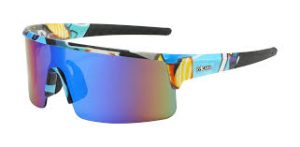
Yellow lenses increase contrast in low-light environments.
Ideal For:
- Foggy conditions
- Overcast weather
- Dawn and dusk activities
- Skiing
However, they can distort colors in bright sunlight.
Green Lenses
Green lenses provide balanced contrast while reducing glare.
Benefits:
- Improved visual clarity
- Better contrast
- Reduced eye strain
- Comfortable for long-term wear
They work well for both sports and casual use.
Blue and Purple Lenses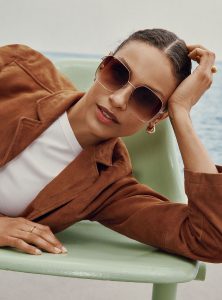
These fashionable tints are often chosen for aesthetics, but they can also reduce glare in certain conditions.
They are commonly seen in modern designer sunglasses and sporty eyewear collections.
Frame Materials and Durability
Why Frame Construction Matters
The durability and comfort of sunglasses depend heavily on the frame material. High-quality frames last longer and withstand daily wear more effectively.
Plastic Frames
Plastic frames are lightweight, affordable, and available in many colors and designs.
Pros:
- Comfortable
- Stylish
- Lightweight
- Budget-friendly
Cons:
- Less durable than metal
- May warp under heat
Premium acetate frames offer better quality than standard plastic.
Metal Frames
Metal frames often provide a more sophisticated and durable appearance.
Common Materials:
- Stainless steel
- Aluminum
- Titanium
Titanium frames are especially valued for being:
- Lightweight
- Corrosion-resistant
- Extremely durable
- Hypoallergenic
Nylon Frames
Nylon is widely used in sports sunglasses because it is flexible and impact-resistant.
Ideal For:
- Athletes
- Cyclists
- Runners
- Outdoor enthusiasts
These frames handle physical activity exceptionally well.
Matching Sunglasses to Face Shape
Finding the Most Flattering Style
Choosing sunglasses that complement your face shape enhances both comfort and appearance.
Round Faces
People with round faces benefit from angular frames that add definition.
Recommended Styles:
- Rectangular sunglasses
- Square frames
- Geometric designs
Avoid overly round frames that exaggerate facial softness.
Square Faces
Round or oval frames soften strong jawlines and angular features.
Best Choices:
- Aviators
- Circular lenses
- Curved frames
Oval Faces
Oval faces are considered the most versatile because most frame shapes work well.
Suitable Styles:
- Aviators
- Wayfarers
- Oversized sunglasses
- Sport frames
Balance is the key consideration.
Heart-Shaped Faces
Frames that are wider at the bottom help balance broader foreheads.
Recommended Options:
- Rimless styles
- Cat-eye frames
- Light-colored frames
Popular Sunglass Styles Through the Years
Aviator Sunglasses
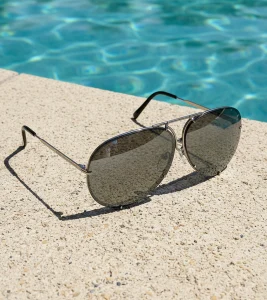
Originally designed for pilots, aviators remain one of the most iconic sunglass styles.
Features:
- Thin metal frames
- Large teardrop lenses
- Timeless appeal
They suit many face shapes and fashion styles.
Wayfarer Sunglasses
Wayfarers became legendary due to their versatile and bold design.
Advantages:
- Casual yet stylish
- Works with many outfits
- Durable frame structure
They continue to dominate both luxury and affordable eyewear markets.
Oversized Sunglasses
Oversized frames offer dramatic fashion appeal while providing increased sun coverage.
Benefits:
- Greater UV protection
- Glamorous appearance
- Reduced peripheral sunlight exposure
Sport Sunglasses
Designed for active lifestyles, sport sunglasses prioritize functionality.
Features:
- Impact resistance
- Lightweight materials
- Secure fit
- Enhanced grip
- Wraparound protection
They are essential for athletes and outdoor adventurers.
Lens Coatings That Improve Performance
Anti-Reflective Coating
Anti-reflective coatings reduce reflections from the backside of lenses.
Benefits:
- Clearer vision
- Reduced eye fatigue
- Better nighttime visibility
This coating is especially useful for driving.
Scratch-Resistant Coating
No lens is completely scratch-proof, but scratch-resistant coatings improve durability significantly.
This is particularly important for people who use sunglasses daily.
Hydrophobic and Oleophobic Coatings
These specialized coatings repel:
- Water
- Sweat
- Fingerprints
- Oil
They help keep lenses cleaner during outdoor activities.
Sunglasses for Different Activities
Driving Sunglasses
Driving requires lenses that reduce glare without distorting colors excessively.
Best Features:
- Polarization
- Gray or brown tint
- Lightweight comfort
- Anti-reflective coating
Beach and Water Activities
Water reflects intense sunlight, increasing glare exposure.
Recommended Features:
- Polarized lenses
- UV400 protection
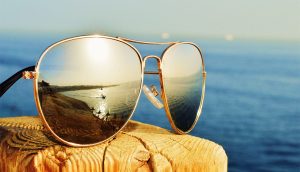
Sunglasses with reflection of seascape in them - Mirrored coatings
- Wraparound frames
Sports and Outdoor Adventures
Athletes need sunglasses with:
- Impact-resistant lenses
- Secure grip
- Lightweight frames
- Sweat resistance
Wraparound styles provide better side protection from sunlight and debris.
The Role of Fashion in Sunglass Selection
Balancing Style and Function
Fashion remains one of the biggest reasons people purchase sunglasses. Celebrity culture, social media trends, and luxury branding heavily influence modern eyewear choices.
However, appearance should never come at the expense of eye protection. The best sunglasses successfully combine:
- UV protection
- Comfort
- Durability
- Modern aesthetics
- Lens technology
Fortunately, today’s eyewear market offers many options that deliver both style and performance.
How to Identify High-Quality Sunglasses
Key Signs of Premium Eyewear
When shopping for sunglasses, pay attention to the following indicators of quality:
UV Protection Label
Look for:
- UV400
- 100% UVA/UVB protection
Optical Clarity
Poor-quality lenses may distort images or create visual inconsistencies.
Strong Hinges
Well-built hinges improve durability and comfort.
Balanced Weight
Extremely lightweight sunglasses may feel cheap unless made from premium materials like titanium.
Lens Uniformity
Check that both lenses are perfectly aligned and free from imperfections.
Common Mistakes People Make When Buying Sunglasses
Choosing Fashion Over Protection
Many consumers prioritize brand names and style while ignoring UV protection.
Always verify protective features first.
Buying Cheap Counterfeit Products
Counterfeit sunglasses often lack proper UV filtration despite appearing fashionable.
Low-quality eyewear can harm eye health over time.
Ignoring Fit and Comfort
Uncomfortable sunglasses are less likely to be worn consistently.
A good fit should:
- Stay secure
- Avoid pressure points
- Sit evenly on the face
Caring for Your Sunglasses
Cleaning Tips
Proper cleaning extends the lifespan of your sunglasses.
Best Practices:
- Use microfiber cloths
- Rinse lenses before wiping
- Avoid paper towels
- Use lens-safe cleaning solutions
Storage Recommendations
Always store sunglasses in a protective hard case when not in use.
This helps prevent:
- Scratches
- Bent frames
- Broken hinges
Sustainable and Eco-Friendly Sunglasses
The Rise of Sustainable Eyewear
Environmental awareness has encouraged many brands to create sustainable sunglasses using:
- Recycled plastics
- Bamboo
- Biodegradable acetate
- Eco-friendly packaging
Consumers increasingly seek products that combine style, durability, and environmental responsibility.
Smart Sunglasses and the Future of Eyewear
Technology Meets Fashion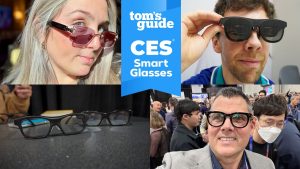
Modern smart sunglasses now integrate features such as:
- Bluetooth audio
- Voice assistants
- Augmented reality
- Fitness tracking
- Camera systems
As wearable technology evolves, sunglasses are becoming multifunctional lifestyle devices.
Conclusion
Choosing the right sunglasses involves far more than selecting a fashionable frame. A high-quality pair of sunglasses protects your eyes from harmful ultraviolet radiation, reduces glare, enhances visual comfort, and complements your personal style. From polarized lenses and UV400 protection to durable frame materials and specialized tints, every detail plays an important role in performance and comfort.
Consumers today have access to advanced eyewear technologies that combine eye safety, visual clarity, and modern aesthetics. Whether you need sunglasses for driving, sports, travel, outdoor work, or everyday fashion, understanding lens technology and frame design helps you make a smarter investment.
The ideal sunglasses should offer a perfect balance between functionality and style. Investing in premium eyewear is not simply about appearance—it is about protecting one of your most valuable assets: your vision. By choosing carefully and prioritizing eye health, you can enjoy long-term comfort, safety, and confidence every time you step into the sun.
Building Your First Art Collection