
 By admin

Essential Precautions for Combing Hair Effectively
Hair combing is a fundamental part of daily grooming and personal care. While it might seem like a mundane task, the way you comb your hair can significantly impact its health and appearance. Haircare habits, including combing techniques, are deeply tied to personal hygiene, aesthetics, and even confidence. People often choose hairstyles that reflect their personality or follow the latest fashion trends. However, improper combing practices can lead to hair damage, breakage, and even scalp problems. This article provides essential precautions to ensure that your hair remains healthy and vibrant.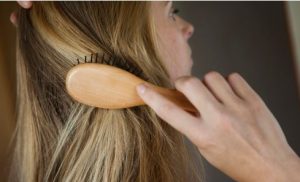
1. Choose the Right Comb
The market offers a wide variety of combs designed for different hair types and styles. Selecting the right comb depends on factors such as:
- Hair texture: Soft, hard, thick, or fine.
- Length: Long or short hair.
- Purpose: Styling or detangling.
For instance, wide-toothed combs are ideal for detangling wet or curly hair, while fine-toothed combs are suitable for smooth styling of straight hair. Using an inappropriate comb can lead to hair breakage or scalp irritation.
2. Practice Careful and Focused Combing
Combing should be done with care and concentration. Many people, especially men, tend to comb their hair absentmindedly while multitasking or thinking about unrelated matters. This lack of attention can lead to rough handling, which may harm the hair strands and scalp. Allocate a few minutes each day to comb your hair gently and purposefully.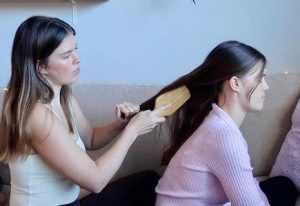
3. Avoid Vigorous Combing
Rough and vigorous combing can weaken the hair roots, leading to increased hair fall. Be gentle, particularly if your hair is fine or brittle. Excessive force while detangling knots or styling can cause unnecessary breakage and thinning.
4. Never Comb Wet Hair
Wet hair is more fragile and prone to breakage. Avoid combing immediately after washing your hair. Instead:
- Gently towel-dry your hair to remove excess moisture.
- Apply a lightweight hair oil or detangling serum.
- Use your fingers to separate knots before combing.
This approach minimizes the risk of hair breakage and ensures smoother combing.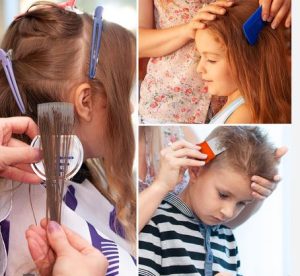
5. Comb in the Natural Direction of Hair Growth
Always comb in the natural direction of your hair growth. Combing against the direction can cause unnecessary tension on the hair roots, leading to increased shedding. This is particularly important for people with longer hair, as reversing the combing direction can exacerbate tangles and breakage.
6. Avoid Over-Combing
While it might be tempting to frequently run a comb through your hair to maintain its appearance, over-combing can damage the scalp and hair follicles. Carrying a pocket comb and using it excessively is a common habit that should be avoided. Combing two or three times a day is sufficient for maintaining a neat and tidy look without causing damage.
7. Ensure the Comb Is Gentle on Your Scalp
The teeth of your comb should be smooth and rounded. Sharp or pointed teeth can scratch the scalp, causing irritation and even infections. Additionally, avoid pressing the comb too hard against your scalp to prevent damage to the hair follicles.
8. Maintain Comb Hygiene
Regular cleaning of your comb is crucial for scalp health. Hair, oil, and dirt accumulate on the comb over time, making it a breeding ground for bacteria and fungi. To maintain hygiene: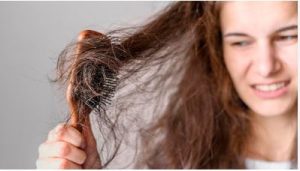
- Wash your comb with warm soapy water after every few uses.
- Use a brush cleaner or an old toothbrush to remove stubborn debris.
- Avoid sharing your comb with others to prevent the spread of lice, fungal infections, and bacterial contamination.
9. Address Tangled Hair with Patience
Tangled hair can be challenging to comb and often leads to breakage if handled roughly. To manage tangled hair effectively:
- Wash your hair with a gentle shampoo to remove dirt and grease.
- Apply a conditioner to soften the strands.
- After drying, apply a detangling spray or lightweight oil.
- Use a wide-toothed comb and start detangling from the tips, gradually working your way up to the roots.
Patience is key to preventing damage while managing knots and tangles.
10. Avoid Sharing Combs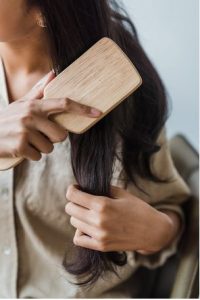
Sharing combs can expose you to various scalp issues, including lice infestations and fungal or bacterial infections. Always use your personal comb and encourage others to do the same. This practice promotes good hygiene and minimizes the risk of spreading scalp-related conditions.
Additional Tips for Healthy Hair
- Regular Washing: Keep your scalp clean by washing your hair regularly with a mild shampoo suitable for your hair type.
- Use Hair Oil: Massaging your scalp with natural oils such as coconut, argan, or jojoba oil can nourish your hair and promote healthy growth.
- Balanced Diet: A diet rich in vitamins, minerals, and proteins plays a vital role in maintaining the health and strength of your hair. Include foods like eggs, nuts, leafy greens, and fish in your meals.
- Protect from Environmental Damage: Use a scarf, hat, or hair products with UV protection to shield your hair from sun damage, pollution, and harsh weather.
Conclusion
Proper hair combing techniques are essential for maintaining healthy, shiny, and strong hair. From selecting the right comb to practicing gentle combing habits, small changes in your daily routine can make a significant difference. By following these precautions and integrating a holistic approach to hair care, you can prevent common hair problems like breakage, thinning, and scalp irritation. Remember, healthy hair is a reflection of your overall well-being, so prioritize both your hair care routine and your general health.
Comprehensive Guide to Acne and Its Treatment