
 By admin
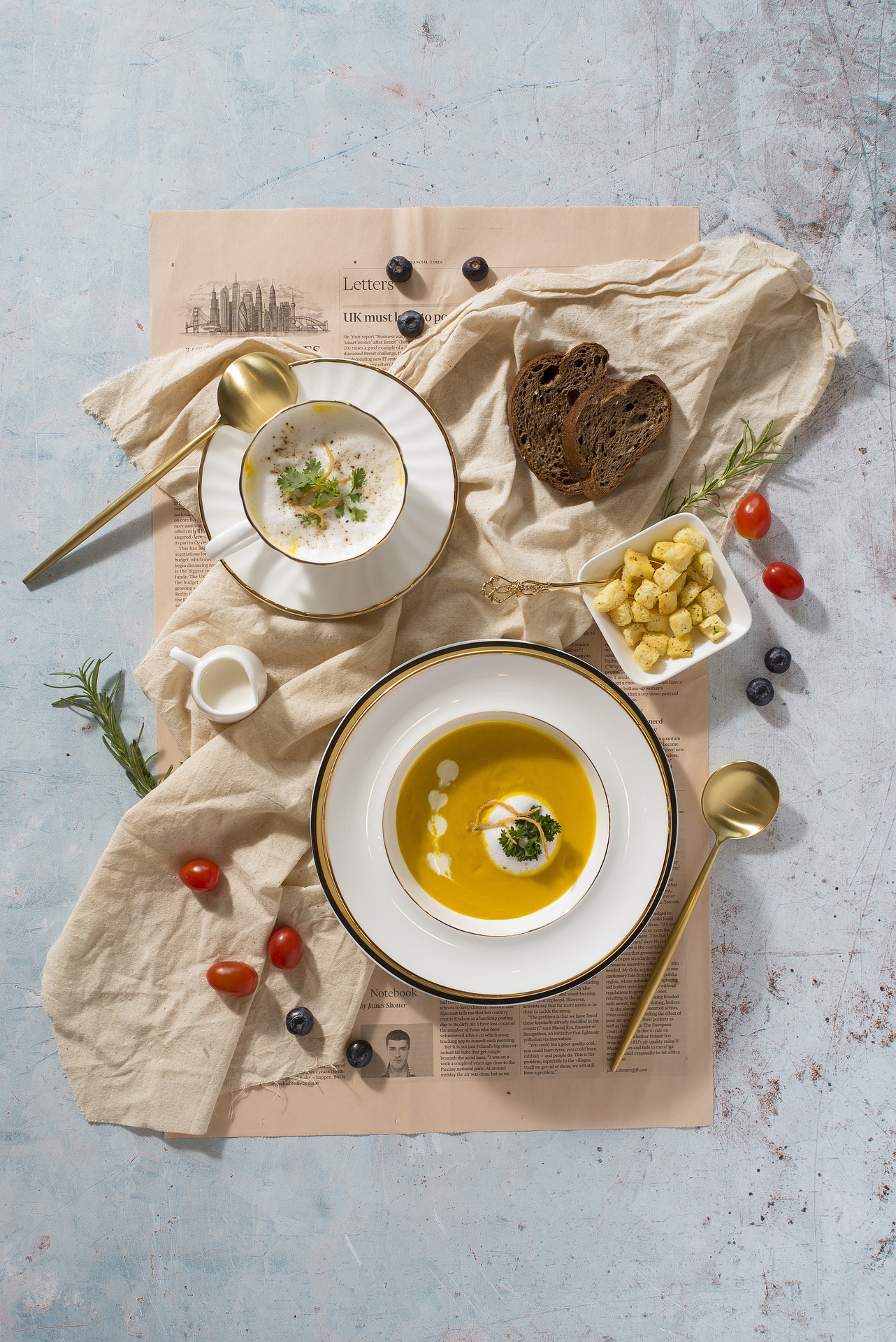
The Ultimate Guide to Soup Making: Ingredients, Techniques, and Tips for Perfection
Soup is one of the most versatile and comforting dishes, celebrated across cultures for its ability to nourish, warm, and delight the senses. Whether you’re preparing a hearty winter stew, a light summer consommé, or an elegant bisque, the foundation of a great soup lies in high-quality ingredients, proper techniques, and an understanding of flavor balance. This comprehensive guide will walk you through the art and science of soup making, offering modern tips, ingredient recommendations, and techniques to elevate your culinary skills.
Choosing the Right Ingredients for Flavorful Soups
The key to a rich, flavorful soup begins with selecting the right ingredients. Lean, fresh cuts of beef, veal, or mutton provide the foundation for most classic soups. Avoid using stale or overly fatty meat, as these can compromise the flavor and texture. Opt for cuts that are rich in connective tissue, as these break down during cooking to create a luscious broth.
Vegetables and Aromatics
Vegetables play a crucial role in enhancing the flavor and texture of soups. Essential options include onions, carrots, celery, and leeks. These aromatic vegetables form the classic “mirepoix,” a flavor base for many soups. Herbs like thyme, parsley, and bay leaves add depth and complexity, while garlic, shallots, and ginger bring unique accents to specific recipes.
Modern Enhancements
In contemporary soup making, ingredients such as miso paste, coconut milk, and nutritional yeast have become popular for adding umami and richness. These modern touches can transform traditional recipes into innovative creations that cater to modern palates.
The Science of Stock: Building a Flavorful Base
A well-prepared stock is the heart of any soup. It’s made by simmering bones, meat, or vegetables with water and aromatics to extract flavor. Here’s how to master the stock-making process:
- Use Fresh Ingredients: Start with fresh bones (chicken, beef, or fish) or a mix of fresh vegetables. Avoid wilted or overly aged produce.
- Simmer, Don’t Boil: A gentle simmer ensures that impurities rise to the surface, allowing you to skim them off for a clearer stock.
- Timing: Simmer poultry stock for 2-4 hours, beef stock for 4-6 hours, and fish stock for 30-45 minutes. Overcooking can lead to a cloudy or bitter result.
- Seasoning: Lightly season your stock during cooking. Save final adjustments for the soup stage to avoid over-salting.
Techniques for Perfect Soup Consistency
Achieving the ideal texture depends on the type of soup you’re preparing. For clear soups, such as consommé, clarity and transparency are key. For creamy or thick soups, a smooth, velvety consistency is essential.
Clear Soups
Clear soups should be free from sediment and perfectly transparent. Strain the soup through a fine sieve or cheesecloth to remove impurities. If necessary, clarify the soup by adding whisked egg whites and simmering—the proteins will bind with impurities and can be skimmed off easily.
Thickened Soups
Thickened soups can be achieved using several methods:
- Roux: A combination of butter and flour cooked together, used in classic French soups like bisques.
- Starch: Cornstarch, arrowroot, or potato starch can thicken soups without altering the flavor significantly.
- Pureed Vegetables: Blend cooked vegetables such as potatoes, squash, or carrots for a natural and nutritious thickening method.
- Cream and Dairy: Add heavy cream, yogurt, or milk for a luxurious texture.
Balancing Flavors
A great soup achieves harmony between sweet, salty, sour, and savory elements. Here’s how to balance these flavors:
- Sweetness: Add a touch of sugar, caramelized onions, or roasted vegetables to balance acidity.
- Saltiness: Use sea salt or soy sauce sparingly and taste as you go.
- Sourness: Incorporate citrus juices, vinegar, or tomato paste for brightness.
- Umami: Enhance depth with ingredients like mushrooms, miso, Parmesan rinds, or Worcestershire sauce.
Popular Soup Additions and Their Role
Adding the right ingredients enhances flavor and texture. Consider these common soup components:
- Grains: Barley, rice, or quinoa add heartiness.
- Legumes: Lentils, chickpeas, and beans provide protein and a creamy texture.
- Pasta: Vermicelli, macaroni, or tortellini make soups more filling.
- Herbs: Fresh basil, cilantro, dill, or thyme offer brightness.
Modern Soup-Making Equipment
Today’s technology makes soup preparation more efficient and enjoyable:
- High-Speed Blenders: Perfect for creating silky smooth purees.
- Immersion Blenders: Convenient for blending directly in the pot.
- Pressure Cookers: Reduce cooking time for stocks and stews.
- Slow Cookers: Allow for hands-free, low-temperature simmering.
Tips for Storing and Reheating Soups
Proper storage ensures that soups remain delicious and safe to eat:
- Cool Quickly: Place the soup in shallow containers and refrigerate within two hours to prevent bacterial growth.
- Remove Fat: Chill the soup overnight and skim off the solidified fat for a lighter result.
- Reheat Gently: Heat only the portion you need over low to medium heat to preserve flavor and texture.
- Freeze for Longevity: Most soups freeze well and can be stored for up to three months. Avoid freezing soups with cream or dairy, as they may separate when reheated.
Classic Soup Recipes to Try
Here are a few timeless soup recipes to inspire your next culinary adventure:
- French Onion Soup: A savory blend of caramelized onions, beef broth, and melted Gruyère cheese.
- Chicken Noodle Soup: A comforting classic with tender chicken, vegetables, and egg noodles.
- Minestrone: A hearty Italian soup loaded with vegetables, beans, and pasta.
- Tom Yum: A spicy and tangy Thai soup with shrimp, lemongrass, and lime.
- Lentil Soup: A protein-packed vegetarian option with earthy spices.
Conclusion
Soup making is both an art and a science, offering endless opportunities for creativity and experimentation. By understanding the foundational techniques, selecting high-quality ingredients, and embracing modern innovations, you can craft soups that are not only delicious but also nutritious and satisfying. Whether you’re cooking for a family meal or a special occasion, a well-made soup will always be a crowd-pleaser.
Step-by-Step Guide to Preparing Fish Harira