
 By admin

Energy Healing : Exploring Pranic, Tantric, and Reiki Practices
In recent years, terms like “chakra,” “prana,” “aura,” and “tantra” have gained significant attention in discussions surrounding spirituality, health, and personal development. These concepts, rooted in ancient traditions, are central to various energy healing practices that aim to restore balance and promote holistic well-being. But what exactly are these practices, and how do they differ? Let’s dive deeper into the world of energy healing by exploring Pranic healing, Tantric healing, and Reiki.
Understanding Energy Healing and Its Origins
Energy healing is a holistic practice that focuses on manipulating subtle energies within and around the human body to achieve physical, emotional, and spiritual harmony. While modern medicine addresses health primarily from a biological standpoint, energy healing seeks to integrate the interconnectedness of the mind, body, and spirit. Here’s a closer look at three prominent energy healing modalities:
Pranic Healing: Harnessing Life Energy
Pranic healing is an ancient Hindu system of energy healing centered on the concept of “prana,” or life energy. It views the human body as more than just a physical entity; it includes an “aura,” an energy field with seven layers that correspond to different aspects of an individual’s physical, emotional, mental, and spiritual health.
The aura’s colors and thickness are believed to reflect a person’s health and personality traits. Six primary aura colors are associated with distinct characteristics:
- Green: Ambitious achiever
- Blue: Spiritual peacemaker
- White: Unconventional chameleon
- Red: Activist
- Orange: Creative communicator
- Violet: Psychic
By understanding and manipulating the aura and prana, practitioners aim to cleanse negative energies and restore balance, which can lead to improved physical and emotional well-being.
Tantric Healing: Merging Sexuality and Spirituality
Often misunderstood as solely a practice of spiritualized sexuality, Tantra is a multifaceted healing system with deep spiritual roots. Derived from the Sanskrit word “tan,” meaning “to expand,” Tantra emphasizes the interconnectedness of all aspects of existence.
In the context of energy healing, Tantra focuses on harnessing sexual energy to achieve spiritual growth and physical healing. It is believed that during profound states of intimacy and orgasm, individuals can transcend ordinary consciousness and release accumulated impurities or negative energies. These blockages, if left unresolved, may manifest as physical ailments or emotional disturbances. Through guided practices, Tantric healing aims to promote emotional release, enhance intimacy, and foster a deeper connection with oneself and others.
Reiki: Tapping into Universal Energy
Originating in Japan in the early 20th century, Reiki is a relatively modern energy healing practice compared to Pranic and Tantric healing. The term “Reiki” combines two Japanese words: “rei” (universal) and “ki” (energy). Reiki practitioners believe this universal energy is guided by higher intelligence and can be channeled to heal physical, emotional, and mental imbalances.
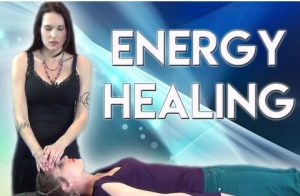
Reiki sessions typically involve the practitioner placing their hands lightly on or near the recipient’s body. Through this process, universal energy is said to flow into the recipient, clearing energy blockages and promoting relaxation and healing. Unlike Pranic and Tantric practices, Reiki does not require a belief system, making it accessible to a broader audience.
Comparing the Three Modalities
While Pranic, Tantric, and Reiki healing share the goal of restoring balance and harmony, they differ significantly in their methods and the types of energy they work with:
- Pranic Healing: Focuses on life energy (prana) and the body’s aura.
- Tantric Healing: Harnesses sexual energy as a pathway to spiritual and physical well-being.
- Reiki: Channels universal energy to facilitate healing and relaxation.
Despite their differences, all three practices emphasize the connection between mind, body, and spirit, as well as the impact of energy on overall health.
Why Are People Turning to Energy Healing?
In a world dominated by modern medicine, energy healing is gaining traction as an alternative or complementary approach. Here are some reasons why people are increasingly drawn to these practices:
1. Addressing Persistent Health Issues
For individuals whose conditions have not improved through conventional medical treatments, energy healing offers hope. While scientific evidence may be limited, anecdotal accounts suggest that energy healing has helped some people alleviate symptoms and regain health where modern medicine fell short.
2. Holistic Approach to Healing
Modern medicine often focuses on treating specific symptoms or diseases, sometimes neglecting the emotional and spiritual dimensions of health. In contrast, energy healing addresses the individual as a whole, fostering a sense of balance and well-being on multiple levels.
3. Non-Invasive and Natural Techniques
Energy healing methods are generally non-invasive and gentle, making them an appealing option for those seeking less stressful and more natural interventions. Unlike surgeries or medications, energy healing poses minimal physical risks and aligns with the growing preference for natural remedies.
4. Stress Reduction and Relaxation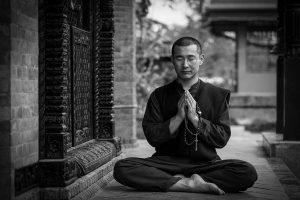
Stress is a significant contributor to many health issues. Energy healing practices often incorporate meditation and mindfulness, which can reduce stress, improve mental clarity, and enhance overall relaxation. This benefit alone attracts many individuals to explore these modalities.
5. Accessibility and Simplicity
Energy healing does not require sophisticated equipment or facilities. Many practices, such as Reiki and meditation, can be learned and performed at home, making them convenient and cost-effective for individuals seeking ongoing self-care.
The Ongoing Debate: Energy Healing vs. Modern Medicine
Despite its growing popularity, energy healing remains a topic of debate. Skeptics argue that its efficacy lacks robust scientific evidence, while proponents highlight its holistic and transformative benefits. The relationship between energy healing and modern medicine need not be adversarial; instead, these approaches can complement each other to provide comprehensive care.
Ultimately, the choice between energy healing and conventional medicine depends on individual needs, preferences, and beliefs. Whether one seeks relief from chronic conditions, stress management, or spiritual growth, the goal remains the same: the restoration of health and balance.
Conclusion
Energy healing practices like Pranic healing, Tantric healing, and Reiki offer diverse approaches to achieving physical, emotional, and spiritual well-being. By tapping into different types of energy, these modalities provide unique pathways to healing and self-discovery. While modern medicine excels in treating acute and life-threatening conditions, energy healing addresses the subtle dimensions of health that are often overlooked. As more people embrace a holistic perspective on health, energy healing continues to play a vital role in fostering balance and harmony.