
 By admin

Relaxing with a Mental PDA: Your Daily 5-Minute Stress Management Program
Stress is an inevitable part of life. No matter where you are, what you do, or how relaxed you think you are, stress can sneak in uninvited. You might even find yourself feeling stressed when you’re idle or bored—a paradox many of us experience. While stress is unavoidable, managing it effectively can lead to a healthier and more balanced life. This article outlines a practical, actionable approach to stress management, designed to fit into your daily routine in just five minutes. 
The Importance of Stress Management
Chronic stress can wreak havoc on your physical and mental health. It has been linked to conditions such as heart disease, depression, anxiety, and even a weakened immune system. To prevent these adverse effects, it’s crucial to develop strategies that reduce stress and mitigate its impact on your well-being.
The key to effective stress management lies in building a routine—one as simple and essential as brushing your teeth or eating breakfast. Below are practical steps to help you manage stress effectively while fostering a sense of calm and control in your daily life.
1. Mastering Time Management
Effective time management is one of the most powerful tools to reduce stress. Proper planning and prioritization can help you maximize your time, achieve your goals, and maintain a healthy work-life balance.
Strategies for Better Time Management: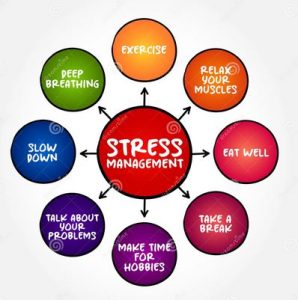
- Set Priorities: Categorize tasks based on their importance and urgency. Focus on high-priority activities and avoid wasting time on trivial matters.
- Delegate: Don’t hesitate to share responsibilities with others when possible.
- Schedule Personal Time: Allocate time for yourself daily, whether for relaxation, exercise, or hobbies.
- Use Tools: Keep a time log or use a planner to track how you spend your time. This helps identify inefficiencies and areas for improvement.
- Tackle Procrastination: Break large tasks into smaller, manageable steps, and set short-term deadlines to stay on track.
- Align Your Actions with Your Values: Ensure your activities reflect your personal goals and beliefs to reduce internal conflicts and stress.
2. Building Healthy Coping Mechanisms
How you respond to stress can significantly impact its effect on your life. Developing positive coping strategies can help you face challenges with resilience and composure.
How to Build Healthy Coping Mechanisms:
- Keep a Stress Journal: Record stressful events, your reactions, and how you coped. This can help identify patterns and areas for improvement.
- Focus on What You Can Control: Concentrate on actionable solutions instead of dwelling on circumstances beyond your control.
- Practice Gratitude: Shift your focus to the positive aspects of your life to reframe stressful situations.
- Embrace Relaxation Techniques: Techniques like deep breathing, meditation, or progressive muscle relaxation can help calm your mind and body.
3. Cultivating a Balanced Lifestyle

Your lifestyle choices have a direct impact on how you experience and handle stress. Adopting healthier habits can improve your overall well-being and enhance your ability to cope with life’s challenges.
Lifestyle Adjustments to Reduce Stress:
- Balance Work and Life: Allocate time for work, family, and personal pursuits to avoid burnout.
- Sleep Well: Aim for 7-9 hours of quality sleep each night to allow your body and mind to recover.
- Eat a Nutritious Diet: Fuel your body with balanced meals rich in fruits, vegetables, lean proteins, and whole grains.
- Exercise Regularly: Engage in moderate physical activity for at least 30 minutes a day, five days a week.
- Limit Alcohol and Avoid Smoking: Excessive alcohol and tobacco use can exacerbate stress and harm your health.
- Set Purposeful Goals: Having a sense of purpose can motivate you and provide a sense of direction.
4. Leveraging Social Support
Social connections play a crucial role in stress management. Knowing you have people who care for and support you can make stressful situations more manageable.
Tips for Building a Strong Support System:
- Nurture Relationships: Spend quality time with friends and family.
- Join Communities: Participate in social groups or activities that align with your interests.
- Seek Help: Don’t hesitate to reach out to a trusted friend, mentor, or therapist when you need support.
5. Changing Negative Thinking Patterns
Your thoughts can significantly influence how you perceive and react to stress. Negative thinking can amplify str
ess, while a positive mindset can foster resilience.
How to Challenge Negative Thoughts:
- Practice Thought-Stopping: Interrupt negative thought cycles by consciously shifting your focus.
- Counter Irrational Beliefs: Identify exaggerated or unrealistic thoughts and replace them with balanced perspectives.
- Use Problem-Solving Techniques: Break down stressful situations into manageable components and tackle them systematically.
- Improve Communication Skills: Express your thoughts assertively and constructively to minimize misunderstandings and conflict.
A Five-Minute Daily Stress Management Routine
If you’re short on time, here’s a simple five-minute program to help you manage stress:
- One Minute of Deep Breathing: Take slow, deep breaths, inhaling for four seconds, holding for four seconds, and exhaling for four seconds. Repeat this cycle.
- One Minute of Gratitude Reflection: Think of three things you’re grateful for and why they matter to you.
- One Minute of Visualization: Imagine yourself successfully overcoming a current challenge or enjoying a moment of peace.
- One Minute of Positive Affirmations: Repeat uplifting statements such as “I am capable,” “I am strong,” or “I can handle this.”
- One Minute of Planning: Identify one small, achievable task to focus on for the day.
Conclusion
Stress may be an unavoidable part of life, but it doesn’t have to control you. By incorporating time management skills, healthy coping mechanisms, lifestyle adjustments, social support, and positive thinking into your routine, you can reduce stress and improve your overall quality of life. Remember, even five minutes a day can make a significant difference. Start small, stay consistent, and watch as these habits transform your relationship with stress.
Exploring the Power of Energy Healing