
 By admin
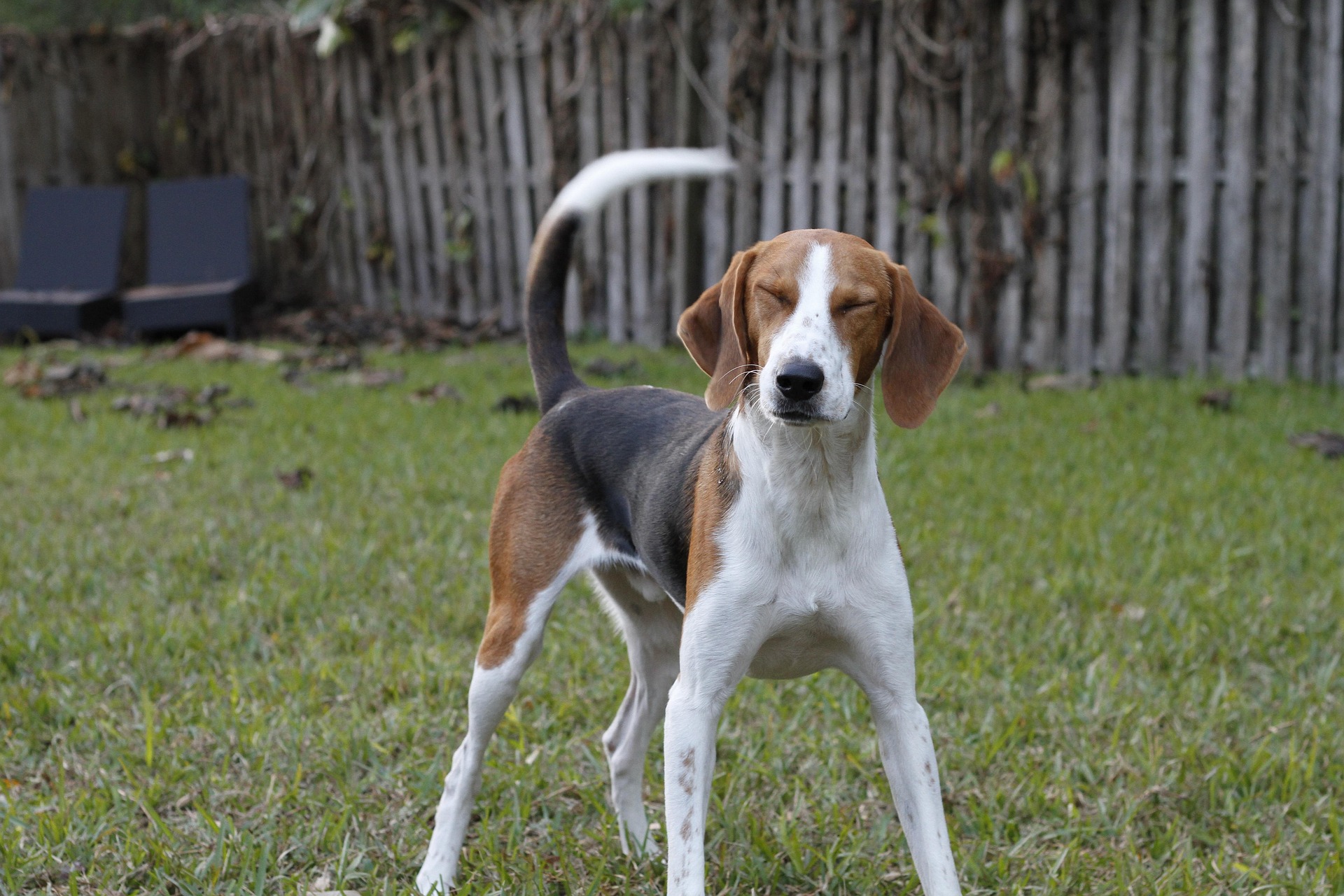
The Foxhound: A Noble Breed with a Rich Heritage and Remarkable Abilities
Introduction
The Foxhound is a distinguished breed known for its hunting prowess, endurance, and sociable nature. With origins tracing back to Great Britain, this breed has played a crucial role in traditional fox hunting for centuries. Today, the Foxhound is admired for its intelligence, agility, and unwavering stamina, making it a popular choice for hunting enthusiasts, active families, and even search-and-rescue operations. This article delves into the history, characteristics, care, and training of the Foxhound, providing an in-depth look at what makes this breed truly exceptional.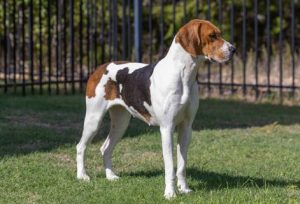
Historical Background
Foxhounds date back to the late 17th century when British hunters sought to develop a breed capable of efficiently pursuing wild deer and foxes. At the time, existing breeds like the Southern Hound and Bloodhound were excellent trackers but lacked the speed required for the fast-paced nature of fox hunting. Through careful selective breeding, hunters created the Foxhound, a dog that combined strength, endurance, and an acute sense of smell. This breed became the foundation for various hunting dogs and continues to be an integral part of traditional and modern hunting practices.
Evolution of the Breed
Over time, Foxhounds were selectively bred to enhance their agility, scenting ability, and stamina. British breeders refined the breed to create two primary varieties: the English Foxhound and the American Foxhound. The English Foxhound is more robust, with a compact build, while the American Foxhound is leaner and faster. Both varieties share the same core characteristics, including exceptional endurance and a keen nose for tracking scents.
Physical Characteristics
Foxhounds possess a well-balanced physique designed for speed and endurance. Their build is muscular yet lean, allowing them to cover great distances without fatigue. Below are some key physical traits of the Foxhound:
- Head: Broad with a slightly domed skull, well-defined eyebrows, and a strong, square muzzle. The ears are set low and lie close to the head, enhancing their alert expression.
- Eyes: Medium-sized, set deep with a gentle yet determined expression. Their eyes are usually brown or hazel.
- Neck: Long and arched, allowing the dog to lower its head for scent tracking with ease.
- Body: Athletic with a deep chest, strong back, and well-developed ribcage to support efficient breathing during strenuous activity.
- Legs and Feet: Straight and sturdy with compact, well-padded feet, providing stability on various terrains.
- Coat: Short, dense, and smooth, offering protection from harsh weather conditions while requiring minimal grooming.
- Coloration: Foxhounds come in a variety of colors, including tricolor (black, tan, and white), lemon and white, and red and white.
- Size: Males stand between 23 to 25 inches at the shoulder, while females range from 21 to 24 inches. They typically weigh between 60 to 80 pounds.

Temperament and Behavior
Foxhounds are known for their friendly, loyal, and energetic personalities. They are highly social dogs that thrive in environments where they can interact with people and other animals. While they are affectionate with their families, their independent nature means they require consistent training and supervision.
Key Behavioral Traits:
- Sociable: Foxhounds enjoy the company of other dogs and are generally good with children.
- Energetic: They require ample exercise and mental stimulation to stay happy and healthy.
- Intelligent: While trainable, they can be stubborn, necessitating patient and positive reinforcement-based training.
- Vocal: They have a distinctive baying voice, which may not be ideal for apartment living.
Hunting and Working Abilities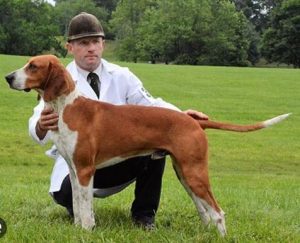
The Foxhound’s history as a hunting dog means it has a high prey drive and an incredible sense of smell. Traditionally used in fox hunting, modern Foxhounds still excel in various scent-based activities, including:
- Search-and-rescue missions
- Tracking competitions
- Field trials
- Agility sports
- Hunting expeditions
Health Considerations
Foxhounds are generally healthy, but they can be prone to certain genetic conditions, including:
- Hip Dysplasia: A common joint issue in larger breeds.
- Ear Infections: Due to their floppy ears, regular cleaning is essential.
- Thrombopathia: A rare blood disorder affecting clotting.
- Bloat: A potentially fatal stomach condition that requires careful feeding practices.
Regular vet check-ups, a balanced diet, and an active lifestyle contribute to their longevity, with an average lifespan of 10 to 13 years.
Care and Maintenance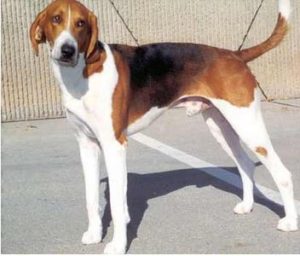
Foxhounds are relatively low-maintenance but require consistent care to ensure their well-being.
- Exercise Needs: At least 1-2 hours of daily exercise, including long walks, running, or structured play.
- Grooming: Weekly brushing to reduce shedding and maintain coat health.
- Diet: High-quality dog food tailored to their energy levels and weight management.
- Living Space: Best suited for homes with large yards; not ideal for small apartments.
Training and Socialization
Due to their intelligence and independent streak, early training and socialization are crucial for Foxhounds. Positive reinforcement methods work best, focusing on:
- Obedience training: Teaching commands like sit, stay, and recall.
- Leash training: Preventing them from chasing scents uncontrollably.
- Socialization: Introducing them to different environments, people, and animals to reduce timidness or aggression.
Conclusion
The Foxhound is a noble and hardworking breed that thrives in active environments. With proper training, socialization, and care, they make loyal companions for families and outdoor enthusiasts alike. Whether used for hunting, scent work, or as a friendly family pet, the Foxhound’s intelligence, endurance, and affectionate nature ensure its continued popularity for generations to come.
The Ultimate Guide to the Collie Dog