
 By admin
The Rise of the Exercise Ball Chair: A Modern Solution for Healthier Workspaces
Introduction
In today’s fast-paced and predominantly sedentary work culture, prolonged sitting has become a major health concern. Traditional office chairs, while widely used, often contribute to poor posture, musculoskeletal discomfort, and chronic back pain. As a result, professionals and health-conscious individuals are exploring alternative seating solutions to mitigate these issues. One such option that has gained traction in recent years is the exercise ball chair, also known as a stability ball chair.
This innovative seating alternative is designed to encourage active sitting, engaging core muscles and promoting better posture. But is it truly an ergonomic game-changer? This article delves into the benefits, considerations, and best practices for incorporating an exercise ball chair into your workspace.
Understanding the Exercise Ball Chair
An exercise ball chair consists of a stability ball—originally designed for physical therapy and core-strengthening exercises—combined with a base or frame for additional support. Unlike traditional office chairs, the exercise ball chair introduces a dynamic element to sitting by requiring continuous micro-adjustments to maintain balance. This instability is believed to encourage core muscle engagement, improve spinal alignment, and potentially reduce the risk of back pain.
Benefits of Using an Exercise Ball Chair
1. Enhanced Core Strength
One of the primary advantages of using an exercise ball chair is the activation of core muscles. Unlike conventional chairs, which allow passive sitting, a stability ball requires constant engagement of abdominal and back muscles to maintain balance. Research published in the Journal of Physical Therapy Science has shown that individuals using stability balls exhibit increased core muscle activation compared to those using standard office chairs.
2. Improved Posture and Spinal Alignment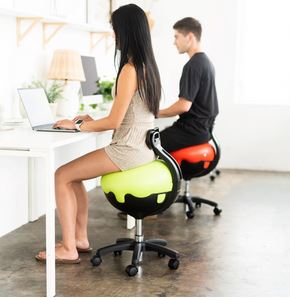
Since the exercise ball lacks a structured backrest, users must sit upright to avoid slouching. This natural encouragement of proper spinal alignment can help mitigate the tendency to hunch over desks—a common cause of back and neck strain. The dynamic seating mechanism provides immediate feedback, allowing users to self-correct their posture throughout the day.
3. Increased Caloric Expenditure
Though minimal, sitting on an exercise ball can lead to a slight increase in calorie burn compared to a traditional chair. The constant need for micro-movements and balance adjustments contributes to subtle energy expenditure, making it a potentially beneficial choice for individuals looking to integrate more activity into their work routine.
4. Enhanced Circulation and Reduced Discomfort
Static sitting often leads to poor blood circulation and stiffness, which can contribute to discomfort and fatigue. The small, continuous movements required to balance on a stability ball improve circulation, preventing the formation of pressure points and enhancing overall comfort.
Considerations and Potential Drawbacks
While the benefits of using an exercise ball chair are promising, it is crucial to acknowledge its limitations and potential risks.
1. Lack of Back Support
Traditional ergonomic chairs are designed with lumbar support to maintain spinal health during long periods of sitting. In contrast, most exercise ball chairs lack such support, which may lead to fatigue or discomfort, especially for individuals unaccustomed to active sitting.
2. Risk of Injury
Since an exercise ball is inherently unstable, there is a risk of falls or muscle strain, particularly for individuals with balance issues or limited core strength. It is essential to use the correct size and ensure the ball is properly inflated to maintain stability.
3. Not Ideal for Prolonged Sitting
While incorporating an exercise ball into a workstation can be beneficial for short-term use, prolonged sitting may lead to muscle fatigue and discomfort. Experts recommend alternating between a stability ball and an ergonomic chair to strike a balance between active sitting and proper support.
Choosing the Right Exercise Ball Chair
Selecting an appropriate exercise ball chair is key to maximizing its benefits. Here are essential factors to consider:
1. Correct Size and Height
To maintain proper ergonomics, choose a ball that allows your knees to form a 90-degree angle when seated with feet flat on the floor. Exercise balls come in different sizes, typically ranging from 55cm to 75cm in diameter, based on the user’s height.
2. Weight Capacity and Durability
Opt for a high-quality, burst-resistant stability ball that can withstand your weight and provide sufficient support. Lower-quality balls may deflate or lose firmness over time, reducing their effectiveness.
3. Additional Support Features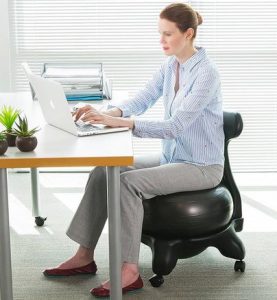
Some exercise ball chairs come with frames, backrests, or caster wheels, offering additional stability and ease of movement. These features can make the transition to active sitting smoother, especially for first-time users.
Best Practices for Integrating an Exercise Ball Chair into Your Routine
To prevent discomfort and maximize the benefits of using an exercise ball chair, consider these best practices:
1. Gradual Adaptation
Start by using the exercise ball chair for short intervals—15 to 30 minutes at a time—before gradually increasing usage as your core strength improves.
2. Alternate Seating Arrangements
Instead of replacing your office chair entirely, use the exercise ball intermittently throughout the day. Alternating between an ergonomic chair and an exercise ball can prevent excessive strain and provide essential support when needed.
3. Maintain Proper Posture
Ensure you are sitting with a neutral spine, feet flat on the floor, and shoulders relaxed. Avoid excessive leaning or bouncing, as improper posture can negate the benefits of active sitting.
4. Incorporate Movement Breaks
Regardless of your seating choice, regular movement breaks are essential. Stand up, stretch, and walk around every 30–60 minutes to promote circulation and reduce muscle stiffness.
Expert Opinions and Research Findings
Scientific studies on the long-term benefits of using exercise ball chairs have yielded mixed results. While some research supports improved muscle activation and posture, others suggest that the benefits may be modest and temporary without additional exercise interventions.
- Core Muscle Activation: Studies indicate that stability ball use increases lower body muscle engagement, but the activation level may not be sufficient to produce significant strength gains without supplemental exercises.
- Posture and Comfort: Some research highlights slight improvements in posture; however, lack of back support may lead to discomfort over extended periods.
Conclusion
The exercise ball chair presents a compelling alternative to traditional office seating by promoting active sitting, core engagement, and improved circulation. However, it is not a one-size-fits-all solution. While beneficial in short durations, prolonged use may lead to muscle fatigue and discomfort due to the absence of lumbar support.
For those considering making the switch, the best approach is to incorporate it as a supplementary seating option, alternating between a traditional ergonomic chair and the exercise ball chair. By following best practices and ensuring proper posture, users can enjoy the potential health benefits while minimizing risks.
A Perfect Blend of Performance and Luxury