
 By admin
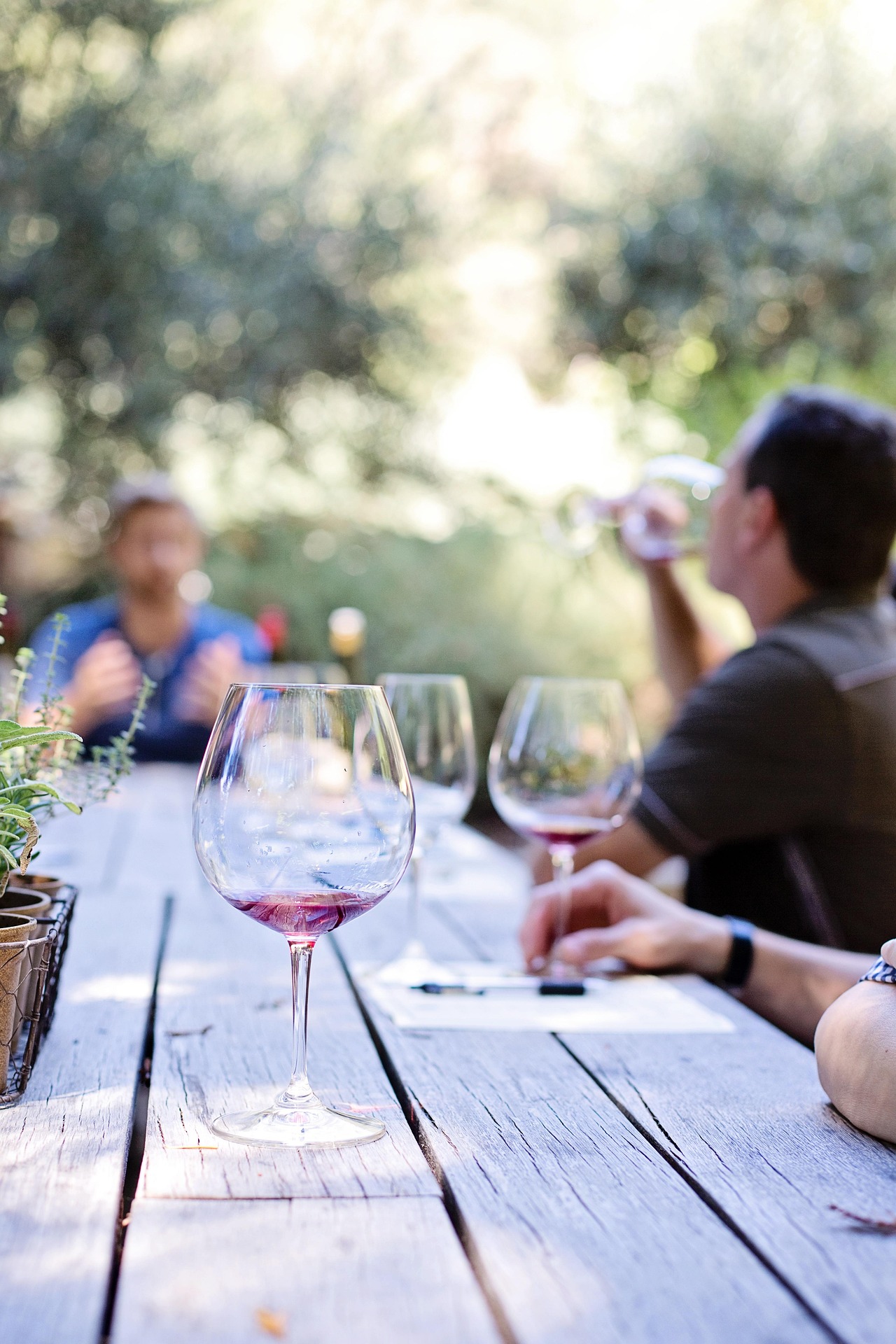
The Art of Wine Tasting: A Comprehensive Guide to Appreciating Fine Wine
Introduction
Wine tasting is much more than simply sipping and swallowing—it is an intricate process that engages multiple senses to evaluate and appreciate the complexity of a wine. This refined art combines visual inspection, olfactory assessment, and palate analysis to determine a wine’s quality, flavor profile, and overall character. Whether you are an aspiring sommelier or an enthusiast looking to enhance your appreciation, understanding the nuances of wine tasting can greatly enrich your experience.
The Fundamentals of Wine Tasting
Wine tasting follows a structured approach that allows tasters to analyze the characteristics of a wine systematically. The primary steps include visual examination, aroma evaluation, and taste assessment. Each step plays a crucial role in forming an overall impression of the wine’s quality and potential for aging.
1. Visual Examination: Observing the Wine’s Appearance
Before even taking a sip, wine tasting begins with a careful look at the wine in the glass. This step provides important clues about the wine’s age, grape variety, and even potential faults.
A. Color and Clarity
- White Wines: Young white wines often exhibit shades of pale yellow, green, or straw, while aged white wines develop deeper golden or amber hues.
- Red Wines: Young red wines range from ruby and purple to garnet, while aged reds shift towards brick-red or brown tones.
- Rosé Wines: These wines exhibit hues from soft pink to vibrant salmon.
B. Viscosity (Legs or Tears)
- Swirling the wine gently in the glass can reveal its viscosity, often called “legs” or “tears.” Higher viscosity usually indicates higher alcohol or sugar content, hinting at a richer texture.
2. The Aroma: Unlocking the Wine’s Bouquet
A wine’s aroma, or “nose,” is one of the most revealing aspects of its character. By taking a deep inhalation, you can identify a spectrum of scents that indicate the wine’s origin, grape variety, and aging process.
A. Primary Aromas
These come directly from the grape and include fruit, floral, and herbal notes:
- Red Wines: Cherry, raspberry, blackcurrant, plum, violet, or earthy tones.
- White Wines: Citrus, apple, pear, honeysuckle, or tropical fruit.
B. Secondary Aromas
These arise from the winemaking process, particularly fermentation:
- Malolactic Fermentation: Buttery, creamy, or nutty aromas.
- Yeast Influence: Bread, brioche, or biscuit notes.
C. Tertiary Aromas
Developed through aging, either in the bottle or oak barrels:
- Oak-Aged Wines: Vanilla, cedar, spice, smoke, or caramel.
- Aged Reds: Tobacco, leather, dried fruit, or mushroom.
3. The Taste: Evaluating Flavor and Structure
Tasting wine is a multi-faceted experience that involves more than just identifying flavors. Tasters evaluate sweetness, acidity, tannins, body, and finish to determine the wine’s balance and complexity.
A. Sweetness and Acidity
- Sweetness ranges from bone-dry to lusciously sweet, influenced by residual sugar levels.
- Acidity adds freshness and liveliness, with higher acidity giving wines a crisp, zesty quality.
B. Tannins and Body
- Tannins (found in red wines) create a drying sensation and contribute to aging potential.
- Body refers to the weight and texture of the wine, ranging from light to full-bodied.
C. The Finish
The aftertaste, or “finish,” is a key indicator of a wine’s quality. A long, lingering finish with evolving flavors suggests a well-crafted wine, while a short or abrupt finish may indicate a simpler profile.
Advanced Wine Tasting Techniques
For those looking to refine their skills, there are additional techniques that enhance wine appreciation:
1. Comparative Tasting
Tasting multiple wines side by side allows for a better understanding of differences in varietals, regions, and winemaking styles.
2. Blind Tasting
Blind tasting removes biases and helps develop a sharper palate by focusing purely on sensory perception.
3. Food Pairing Experiments
Pairing wines with different foods can highlight complementary and contrasting flavors, enhancing both the wine and the meal.
Common Mistakes to Avoid in Wine Tasting
- Overfilling the Glass: Filling the glass too much prevents proper swirling and aeration.
- Holding the Glass Incorrectly: Holding by the bowl can warm the wine; instead, hold by the stem.
- Ignoring the Smell: Since aroma heavily influences taste, skipping this step leads to an incomplete evaluation.
- Drinking Too Quickly: Take time to savor each sip and note how the flavors evolve.
Conclusion
Wine tasting is an intricate and rewarding practice that engages all the senses. By mastering the art of observing, smelling, and tasting wine, enthusiasts can deepen their appreciation and understanding of this timeless beverage. Whether you are a beginner exploring different varietals or a seasoned expert refining your palate, the journey of wine tasting offers endless discovery and enjoyment.
Thanksgiving Party Entertainment