
 By admin
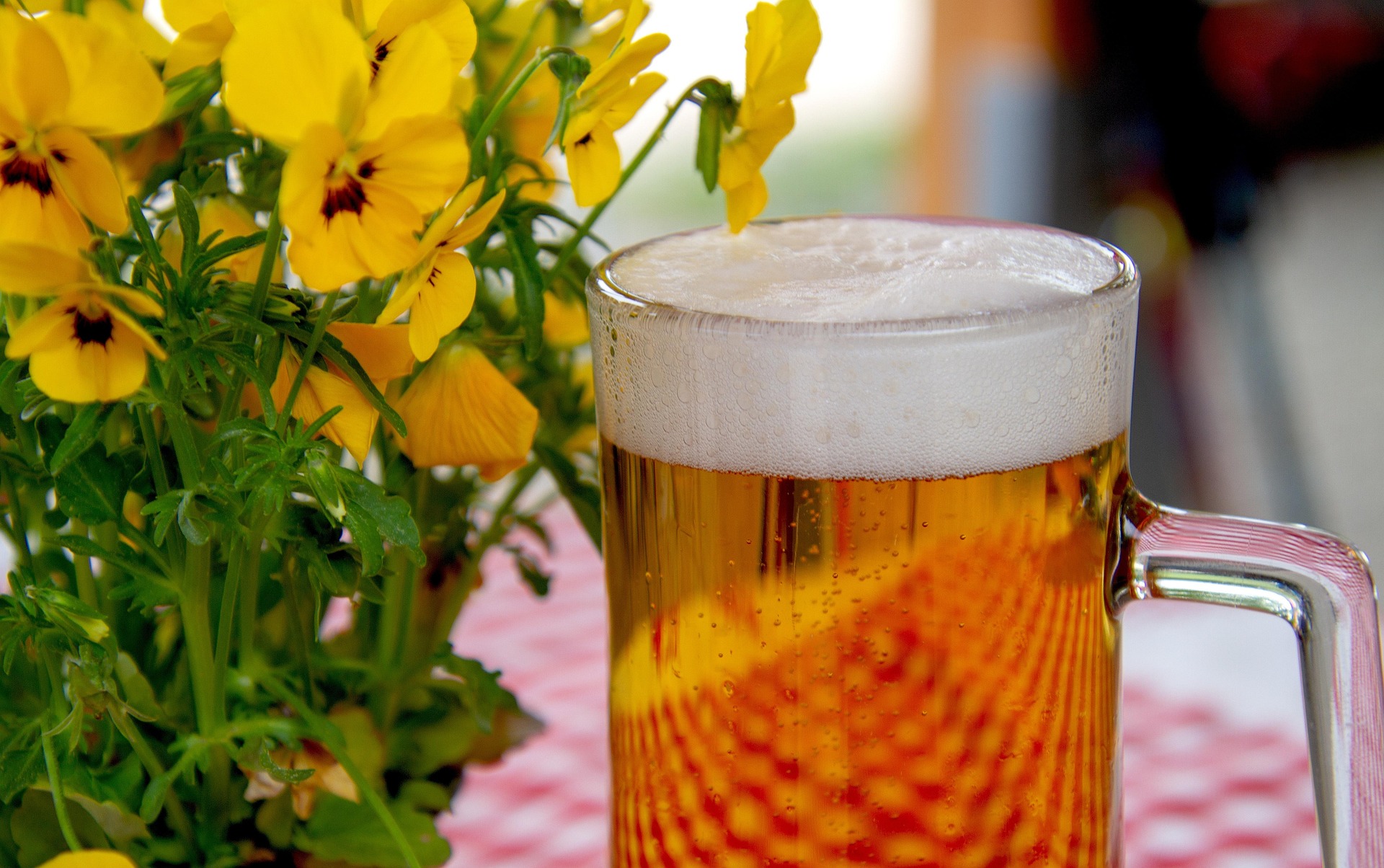
Germany’s Beer Culture: A Timeless Tradition of Quality and Innovation
Introduction
Germany’s beer culture is celebrated globally for its rich history, unwavering commitment to quality, and deep-rooted traditions. With over 1,000 breweries operating across the country, Germany offers a diverse and vibrant beer landscape. The foundation of this culture lies in the Reinheitsgebot, or the German Beer Purity Law, established in 1516, which mandates that beer be brewed using only water, hops, and barley malt. This centuries-old regulation has not only preserved the authenticity of German beer but also cemented its reputation for excellence. From iconic festivals like Oktoberfest to the rise of modern trends such as non-alcoholic beers, Germany’s beer industry continues to evolve while staying true to its heritage.
The German Beer Landscape: A World of Variety
Germany’s beer offerings are as diverse as its regions, with each variety reflecting unique brewing techniques and local flavors. Broadly categorized into ales and lagers, German beers cater to a wide range of palates.
Ale Varieties: Rich and Flavorful
- Altbier:
Originating from the Lower Rhine region, Altbier is a traditional dark ale known for its top-fermentation process. It boasts a rich hop flavor with a distinctive yellow hue, making it a favorite among ale enthusiasts. - Rauchbier:
Hailing from Bamberg, Rauchbier is renowned for its smoky aroma and flavor, achieved by drying malt over open flames. This unique beer offers a bold and unforgettable tasting experience.
Lager Varieties: Crisp and Refreshing
- Pilsener:
As one of Germany’s most popular beer styles, Pilsener is characterized by its crisp taste, higher hop content, and lighter malt profile. Its refreshing quality has made it a global favorite. - Bock:
A strong lager with a robust malt character, Bock beers are traditionally darker and enjoyed during festive occasions. Their rich, full-bodied flavor makes them a winter favorite. - Dunkel:

Translating to “dark,” Dunkel lagers feature a deep amber to brown color and a smooth, malty flavor. They are a testament to Germany’s mastery of dark beer brewing. - Helles:
Meaning “light” in German, Helles lagers are pale in color with a balanced malt and hop profile. Their easy-drinking nature has made them a staple in Bavarian beer gardens. - Märzen:
Originally brewed in March and stored for Oktoberfest, Märzen beers are medium to full-bodied with a malty sweetness. They remain a highlight of the world-famous festival.
The Brewing Industry in Germany: Tradition Meets Modernity
Germany’s brewing industry is a fascinating mix of large-scale producers and small, family-owned breweries, each contributing to the country’s rich beer culture.
Major Breweries: Global Giants
Northern Germany is home to some of the world’s most recognized breweries, including Beck’s, St. Pauli, Warsteiner, and Krombacher. These brands have achieved international acclaim, exporting their beers to over 100 countries and showcasing German brewing excellence on a global stage.
Local Breweries: Preserving Tradition
Southern Germany, particularly Bavaria, boasts a high concentration of small, family-run breweries. These establishments often produce region-specific beers, adding to the diversity of Germany’s beer offerings. Notably, the Benedictine Abbey in Bavaria, established in 1040, is one of the oldest breweries in the world, highlighting Germany’s enduring brewing heritage.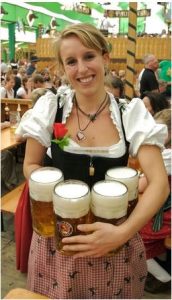
Oktoberfest: The World’s Largest Beer Festival
Oktoberfest, held annually in Munich, is the pinnacle of Germany’s beer culture, attracting millions of visitors from around the globe.
Attendance and Consumption
In 2024, Oktoberfest welcomed approximately 6.7 million guests, who consumed around 7 million liters of beer. Spanning 16 days from late September to early October, the festival is a vibrant celebration of Bavarian traditions, music, and cuisine.
Exclusive Breweries
Only six Munich-based breweries are permitted to serve beer in the festival’s main tents, ensuring that visitors enjoy authentic Bavarian beer brewed according to traditional methods. This exclusivity underscores the festival’s commitment to quality and tradition.
Trends in German Beer Consumption: Adapting to Modern Preferences
While Germany’s beer heritage remains strong, recent trends indicate shifts in consumer behavior and preferences.
Decline in Traditional Beer Sales
In 2024, German beer sales experienced a 1.4% decline compared to the previous year, totaling approximately 8.3 billion liters. This trend reflects changing demographics and a growing preference for alternative beverages.
Rise of Non-Alcoholic Beers
Non-alcoholic beer has emerged as a significant trend, accounting for 8.9% of the German beer market by late 2024. This shift is driven by increasing health consciousness and the availability of high-quality alcohol-free options, even at traditional events like Oktoberfest.
Economic Impact of the Beer Industry
Germany’s beer industry is a cornerstone of its economy, influencing various sectors and contributing significantly to the country’s cultural and economic landscape.
Market Projections
Despite recent challenges, the German beer market is projected to grow by 1.24% between 2025 and 2029, reaching an estimated value of $12 billion by 2029. This growth is fueled by innovations in brewing and the rising popularity of craft and non-alcoholic beers.
Tourism and Cultural Significance
Events like Oktoberfest generate substantial economic benefits, attracting millions of tourists and boosting local businesses. The festival not only celebrates beer but also showcases German culture, enhancing the country’s global reputation.
Conclusion
Germany’s beer culture is a harmonious blend of tradition and innovation. From the Reinheitsgebot to the modern rise of non-alcoholic beers, the industry continues to adapt to changing times while maintaining its commitment to quality. Whether enjoying a classic Pilsener or exploring a new craft brew, beer enthusiasts can appreciate the rich history and craftsmanship that define German beer. As the industry evolves, Germany remains at the forefront of global beer culture, offering something for everyone.
The Alaskan Brewing Success Story