
 By admin
Introduction
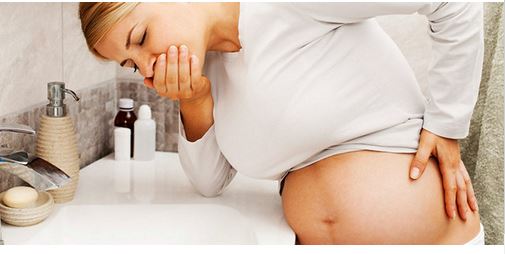
Pregnancy is a beautiful and transformative journey, but it also comes with its fair share of physical discomforts. Among these, acid reflux and heartburn are common challenges faced by expectant mothers. Many pregnant women experience a burning sensation in the chest, an unpleasant sour taste in the mouth, and discomfort after meals. This is primarily due to hormonal changes and the growing baby exerting pressure on the stomach, causing stomach acid to flow back into the esophagus.
While heartburn during pregnancy is normal, it can be managed effectively with the right strategies. This article delves into the causes of acid reflux during pregnancy and provides actionable solutions, including dietary adjustments, lifestyle modifications, and safe remedies to alleviate discomfort.
Understanding Acid Reflux During Pregnancy
Why Does Pregnancy Trigger Acid Reflux?
Acid reflux, also known as gastroesophageal reflux disease (GERD), occurs when stomach acid moves up into the esophagus. Pregnant women are particularly susceptible due to two primary reasons:
- Hormonal Changes: Pregnancy hormones, especially progesterone, cause the relaxation of smooth muscles, including the lower esophageal sphincter (LES). The LES is responsible for keeping stomach acid from rising into the esophagus. When it relaxes inappropriately, acid reflux becomes more frequent.
- Physical Pressure from the Growing Uterus: As the baby develops, the uterus expands and puts pressure on the stomach. This compression forces stomach contents upward, leading to increased episodes of heartburn.
Effective Ways to Prevent and Manage Acid Reflux
1. Dietary Adjustments
Avoiding Trigger Foods
Certain foods are known to exacerbate acid reflux and should be avoided, including:
- Spicy foods – Can irritate the esophagus and increase acid production.
- Citrus fruits and juices – High acidity can worsen symptoms.
- Tomatoes and tomato-based products – Contain high acid levels.
- Chocolate – Contains both caffeine and fat, which relax the LES.
- Fried and fatty foods – Slow digestion and increase reflux.
- Highly seasoned dishes – Can cause irritation in the stomach.
To ensure proper nutrition while avoiding reflux triggers, pregnant women should consult a healthcare professional for a personalized dietary plan.
Eating Habits Matter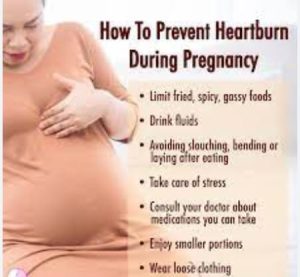
- Smaller, Frequent Meals: Instead of three large meals, consuming smaller, well-balanced meals throughout the day helps reduce stomach pressure.
- Chew Thoroughly & Eat Slowly: Taking time to chew food properly aids digestion and minimizes acid buildup.
- Don’t Eat Right Before Bed: Avoid eating within three hours of sleeping to prevent nighttime reflux episodes.
2. The Role of Hydration
Drinking sufficient water is crucial, but timing matters:
- Drink Water Between Meals: Consuming fluids during meals can increase stomach volume and pressure, potentially worsening acid reflux. It is best to hydrate between meals.
- Avoid Carbonated Beverages and Caffeinated Drinks: Sodas, coffee, and energy drinks relax the LES, leading to acid reflux.
- Opt for Herbal Teas: Ginger or chamomile tea can help soothe the digestive tract, but it’s always best to consult a doctor before introducing herbal remedies during pregnancy.
3. Lifestyle Modifications
Optimal Sleeping Position
- Elevate the Upper Body: Using a wedge pillow or elevating the head of the bed by 6 to 8 inches helps prevent acid from rising during sleep.
- Sleeping on the Left Side: Studies suggest that sleeping on the left side can reduce reflux symptoms by keeping stomach acid lower in the digestive tract.
Posture Matters
- Sit Upright After Eating: Lying down too soon after meals can worsen acid reflux.
- Bend at the Knees, Not the Waist: Reducing pressure on the abdomen helps prevent acid from moving upward.
4. Clothing and Weight Management
Avoid Tight Clothing
Wearing tight-fitting clothes, especially around the waist, can put pressure on the stomach and increase reflux symptoms. Loose, comfortable clothing is recommended.
Maintain a Healthy Weight
While weight gain is a natural part of pregnancy, excessive weight gain can intensify acid reflux. Following a doctor-approved exercise routine and eating a balanced diet can help manage weight effectively.
5. Eliminating Harmful Habits
Avoid Smoking
Smoking weakens the LES, increasing the likelihood of acid reflux. It is highly recommended for pregnant women to quit smoking for overall health benefits.
Reduce or Eliminate Alcohol Consumption
Alcohol relaxes the LES and contributes to reflux symptoms. Expectant mothers should avoid alcohol entirely for both their health and the baby’s well-being.
Safe Remedies for Acid Reflux During Pregnancy
While over-the-counter medications may help relieve heartburn, pregnant women should consult their healthcare provider before using any medication. Some safe and natural remedies include:
- Chewing Sugar-Free Gum: Stimulates saliva production, which can help neutralize stomach acid.
- Consuming Yogurt or Milk: Helps soothe acid reflux symptoms.
- Eating Almonds: Some women find that a small portion of almonds can help absorb stomach acid and prevent reflux.
When to Consult a Doctor
If acid reflux becomes severe, persistent, or interferes with daily life, it’s essential to seek medical advice. Symptoms such as difficulty swallowing, frequent vomiting, significant weight loss, or severe discomfort may require medical evaluation and intervention.
Conclusion
Acid reflux during pregnancy is a common but manageable condition. By making dietary adjustments, modifying lifestyle habits, and using safe, doctor-approved remedies, pregnant women can significantly reduce discomfort and enjoy a healthier pregnancy. Prioritizing hydration, maintaining a healthy posture, and avoiding triggers can make a substantial difference in minimizing heartburn episodes. If symptoms persist, consulting a healthcare professional ensures the best course of action for both mother and baby.
How to Save on Dental Care?