
 By admin
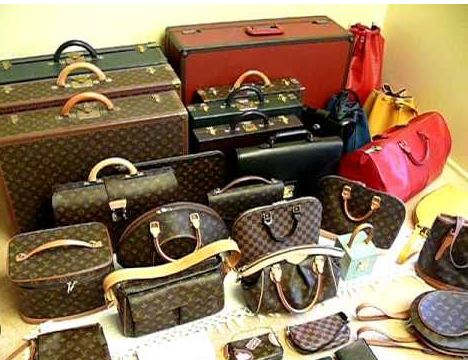
From Homeless Boy to the World’s Most Valuable Luxury Brand: The Story of Louis Vuitton
Introduction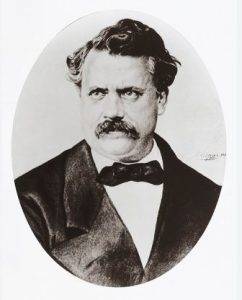
The name Louis Vuitton is synonymous with luxury, elegance, and timeless style. Recognized globally for its iconic LV monogram, the brand has become a symbol of prestige and sophistication. However, the story behind this fashion empire is one of resilience, innovation, and unwavering determination. Louis Vuitton, the man behind the brand, rose from being a homeless teenager to creating the world’s most valuable luxury brand. This article delves into the remarkable journey of Louis Vuitton, exploring his humble beginnings, his rise as a master craftsman, and the evolution of his brand into a global powerhouse.
The Humble Beginnings of Louis Vuitton
A Life of Hardship in Early Years
Louis Vuitton was born in 1821 in Anchay, a small village in eastern France. His family lived modestly, with his father working as a farmer and his mother as a milliner. Tragedy struck when Vuitton was just ten years old, as his mother passed away, leaving him in a challenging family dynamic after his father remarried. These early struggles shaped Vuitton’s resilience and determination to seek a better life.
The Journey to Paris
At the age of 13, Vuitton made the bold decision to leave his home and travel to Paris, the fashion capital of the world. With no money or transportation, he embarked on a 400-kilometer journey on foot, which took him over two years. This grueling experience tested his endurance but also instilled in him a relentless drive to succeed.
The Rise of a Master Craftsman
Apprenticeship and Learning the Trade
Upon arriving in Paris, Vuitton found work as an apprentice to Monsieur Maréchal, a skilled trunk maker. During his apprenticeship, he honed his craft, mastering the art of creating high-quality travel trunks and packaging solutions. This period was crucial in shaping Vuitton’s expertise and passion for craftsmanship.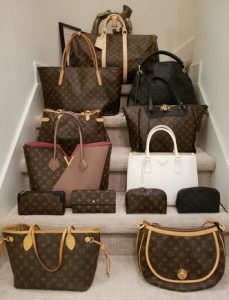
Earning Royal Recognition
Vuitton’s exceptional talent soon caught the attention of the French elite, including Empress Eugénie, the wife of Emperor Napoleon III. She appointed him as her official trunk maker, a prestigious role that granted him access to aristocratic and wealthy clients. This royal endorsement not only elevated his reputation but also laid the foundation for his future success.
The Birth of the Louis Vuitton Brand
Establishing the Business
In 1854, Louis Vuitton opened his own workshop in Paris, marking the official birth of the brand. At the time, travel trunks were bulky and impractical, with rounded tops that made them difficult to stack. Vuitton revolutionized the industry by introducing flat-top, lightweight trunks that were both stylish and functional. This innovation quickly set his brand apart from competitors.
Innovation and Expansion
Vuitton continued to push boundaries, introducing waterproof canvas trunks and the iconic beige-and-brown Damier pattern to combat counterfeiting. His designs became highly sought after, and the brand expanded rapidly to meet growing demand. Vuitton’s commitment to quality and innovation cemented his reputation as a pioneer in the luxury goods industry.
The Global Expansion of Louis Vuitton
The Next Generation Takes Over
After Louis Vuitton’s death in 1892, his son, Georges Vuitton, took the reins of the business. Under Georges’ leadership, the brand introduced the now-famous LV monogram canvas in 1896, a move designed to combat counterfeiting and reinforce the brand’s exclusivity. Georges also spearheaded the brand’s global expansion, establishing a presence in Europe and the United States.
Merging with Moët Hennessy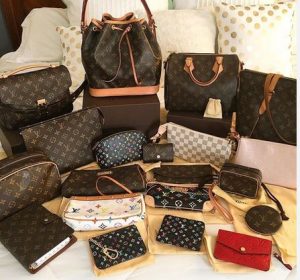
In 1987, Louis Vuitton merged with Moët Hennessy, forming LVMH (Moët Hennessy Louis Vuitton), the world’s largest luxury goods conglomerate. This merger marked a turning point for the brand, propelling it into a new era of growth and innovation. Today, LVMH oversees a portfolio of over 70 luxury brands, with Louis Vuitton at its core.
Louis Vuitton Today: A Symbol of Prestige
Billion-Dollar Luxury Brand
Today, Louis Vuitton is valued at over $40 billion, making it the most valuable luxury brand in the world. The brand’s success is driven by its ability to blend heritage with modernity, thanks to the creative direction of visionaries like Marc Jacobs and Virgil Abloh. From high-fashion runway shows to exclusive collaborations, Louis Vuitton continues to set trends and captivate audiences worldwide.
Celebrity Endorsements and Cultural Influence
Louis Vuitton’s appeal extends beyond fashion, with endorsements from celebrities, influencers, and royalty reinforcing its status as a symbol of luxury. The brand’s collaborations with artists like Jeff Koons and Yayoi Kusama, as well as its limited-edition collections, have further solidified its cultural influence.
Conclusion
The story of Louis Vuitton is a testament to the power of perseverance, innovation, and vision. From his humble beginnings as a homeless boy to creating the world’s most valuable luxury brand, Vuitton’s journey is an inspiration to aspiring entrepreneurs and dreamers alike. Today, Louis Vuitton remains a global icon of excellence, craftsmanship, and exclusivity, continuing to shape the future of fashion and luxury.
Marie Antoinette’s diamond earrings