
 By admin

Introduction
In today’s digital landscape, Search Engine Optimization (SEO) is a fundamental strategy for improving your website’s visibility and driving organic traffic. By optimizing your website, you increase the chances of ranking higher on search engines like Google, Bing, and Yahoo, attracting potential customers, and enhancing user experience. SEO is an ongoing process that involves a combination of content optimization, technical enhancements, and strategic link-building efforts. This comprehensive guide explores the latest SEO techniques to help you maximize your website’s performance and maintain a competitive edge.
Step 1: Enhancing Your Website’s Content
1.1 Create High-Quality, Optimized Content
Content is the backbone of any successful SEO strategy. High-quality, relevant, and engaging content that addresses your audience’s needs is essential for ranking well in search engines. To optimize your content: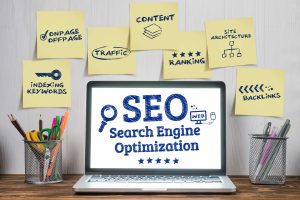
- Use primary and secondary keywords naturally.
- Provide valuable and informative insights.
- Write long-form content (1,500+ words) for in-depth coverage.
- Avoid keyword stuffing and ensure readability.
1.2 Regularly Update Your Content
Search engines favor websites that are frequently updated with fresh and relevant content. Consider:
- Maintaining a blog with industry-related updates.
- Refreshing old content with new data and insights.
- Repurposing content into different formats, such as infographics and videos.
1.3 Improve Readability and User Engagement
User experience is a ranking factor. To make content engaging:
- Use short paragraphs and bullet points.
- Include images, videos, and infographics.
- Write compelling headings and subheadings.
- Implement a clear call-to-action (CTA).
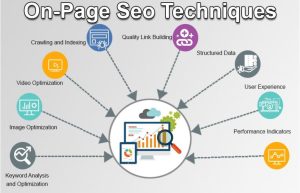
Step 2: Implementing On-Page SEO Techniques
2.1 Optimize Meta Tags
Meta tags influence search engine rankings and click-through rates (CTR). Optimize:
- Title Tags: Include targeted keywords within the first 60 characters.
- Meta Descriptions: Write engaging summaries (150-160 characters) with keywords and a CTA.
2.2 Utilize Header Tags (H1, H2, H3)
Structuring content with header tags helps search engines understand your page’s hierarchy and improves readability. Best practices:
- Use H1 for the main title.
- Use H2 for section headings.
- Use H3-H6 for subsections where necessary.
2.3 Optimize Images and Multimedia
Search engines analyze images using alt text and filenames. To optimize images:
- Use descriptive, keyword-rich filenames.
- Add alt text for accessibility and search engine indexing.
- Compress images to enhance page speed.
2.4 Improve Website Speed and Mobile Optimization
Fast-loading, mobile-friendly websites rank better. Improve performance by:
- Using a content delivery network (CDN).
- Minimizing HTTP requests and enabling browser caching.
- Using responsive design for mobile compatibility.
Step 3: Building a Robust Link Profile
3.1 Focus on Quality Backlinks
Backlinks from authoritative sites enhance credibility and rankings. Gain backlinks by:
- Guest blogging on industry websites.
- Partnering with influencers and authoritative sources.
- Creating shareable content such as infographics and research reports.
3.2 Internal Linking Strategy
Internal links help search engines understand your site structure and distribute ranking power. Implement:
- Contextual links between related pages.
- Breadcrumb navigation for better user experience.
- Anchor text optimization with relevant keywords.
3.3 Monitor and Disavow Toxic Links
Not all backlinks are beneficial. Harmful links can hurt rankings. Use tools like:
- Google Search Console to analyze backlinks.
- Disavow Tool to eliminate spammy or low-quality links.
Step 4: Leveraging Offline Optimization Techniques
4.1 Promote Your Website Offline
Although digital marketing is dominant, offline promotion plays a role in driving traffic. Strategies include:
- Printing website URLs on business cards, flyers, and brochures.
- Advertising on billboards and traditional media.
- Speaking at industry events and networking.
4.2 Implement Local SEO Strategies
For businesses targeting local customers:
- Optimize Google My Business (GMB) listing.
- Ensure consistent NAP (Name, Address, Phone Number) across online directories.
- Encourage positive customer reviews on platforms like Yelp and Google Reviews.
Step 5: Monitoring and Analyzing SEO Performance
5.1 Use SEO Analytics Tools
Tracking performance is crucial for continuous improvement. Recommended tools include:
- Google Analytics for traffic insights.
- Google Search Console for indexing and ranking updates.
- SEMrush & Ahrefs for competitor analysis.
5.2 Track Conversions and User Behavior
SEO success isn’t just about rankings—it’s about conversions. Measure effectiveness by:
- Setting up conversion tracking for form submissions, sales, and calls.
- Analyzing user behavior through heatmaps and session recordings.
5.3 Stay Updated with SEO Trends
SEO is constantly evolving. Stay informed by:
- Following SEO blogs like Moz, Search Engine Journal, and Google’s Webmaster Blog.
- Attending webinars and SEO conferences.
- Testing and adapting strategies based on algorithm updates.
Conclusion
SEO is an essential component of any successful digital marketing strategy. By enhancing your website’s content, implementing on-page SEO techniques, building a strong link profile, leveraging offline marketing, and continuously analyzing performance, you can achieve sustainable organic growth. Remember, SEO is an ongoing process that requires adaptation to industry trends and search engine algorithms. Investing in SEO today ensures long-term success in an increasingly competitive online space.
The Thin Line Between Marketing and Spam