
 By admin

Evaluating MLM Business Opportunities: What You Must Know Before Investing
Introduction: The Rise and Risk of MLM Businesses
Multilevel marketing (MLM) opportunities continue to attract entrepreneurs worldwide with promises of passive income, flexible work schedules, and scalable business models. In today’s gig economy, the allure of being your own boss and achieving financial freedom can be compelling. However, not all MLM business opportunities are created equal.
While some MLM companies offer legitimate paths to success, many others fail to deliver on their promises, leading to financial loss and frustration. This article provides a comprehensive guide to evaluating MLM opportunities with a critical eye. We will discuss how to identify red flags, analyze potential profitability, and ensure the MLM model you’re considering is both ethical and sustainable.
Understanding MLM: A Quick Overview
What Is an MLM Business Model?
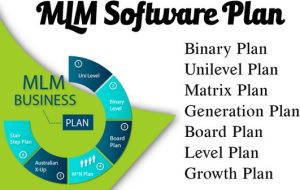
A multilevel marketing business, sometimes called network marketing, is a strategy where independent distributors earn commissions not only from their sales but also from the sales made by their recruits, forming a downline. This creates multiple levels of income-generating tiers.
The Promise vs. Reality
MLM businesses are often marketed as low-risk, high-reward ventures. However, statistics show that only a small fraction of participants earn substantial income. Most distributors earn modest commissions, and a large percentage struggle to recover their initial investment.
Key Questions to Ask Before Joining Any MLM Program
1. How Long Has the MLM Company Been in Operation?
One of the first indicators of legitimacy is a company’s longevity. An established track record shows that the company has survived market fluctuations and regulatory scrutiny. Be wary of startups that haven’t proven their business model in the marketplace.
2. Does the Company Have a Physical Address and Contact Information?
Legitimate businesses operate with transparency. Avoid MLMs that only provide a website and email address. Look for companies with a registered physical address, customer service hotline, and accessible leadership.
Evaluating Business Viability
3. Are There Real Success Stories You Can Verify?
Testimonials on company websites can be misleading or entirely fabricated. Ask to speak directly with active members. Honest distributors will provide realistic insights into their earnings, experiences, and support received from the company.
4. What Is the Initial Investment Required?
Even low-cost MLMs often include hidden fees. Investigate all upfront costs, including:
-
Starter kits
-
Training materials
-
Website fees
-
Initial product inventory
Avoid the common misconception that “free to join” means zero investment. Most of the time, these opportunities shift costs to marketing and recurring fees.
Understanding the Earnings Potential
5. What Is the Realistic Income Potential?
Look beyond flashy earnings projections. Request the company’s Income Disclosure Statement, which reputable MLMs provide. This document outlines the average earnings of participants at different levels.
Talk to multiple distributors at various tiers. Ask them:
-
How long did it take to turn a profit?
-
What is their monthly average income?
-
How much time do they invest each week?
6. What Are the Ongoing Operational Costs?
Running your MLM business may incur several ongoing expenses such as:
-
Monthly subscriptions or platform fees
-
Minimum product purchases
-
Shipping and delivery charges
-
Marketing and advertising costs
These recurring expenses can diminish your profits over time if not properly managed.
Assessing Business Control and Flexibility
7. How Much Control Do You Have Over Your Business?
With MLMs, you’re essentially a distributor operating under a parent company. But it’s important to know:
-
Can you set your own prices?
-
Are you free to diversify your product range?
-
How much creative control do you have over marketing?
If the parent company dictates every aspect of your operations, your business flexibility may be limited. A good MLM should empower you to build a brand around your personal strengths.
Red Flags to Avoid in MLM Opportunities
8. Emphasis on Recruitment Over Sales
MLMs that heavily incentivize recruitment over product sales may resemble illegal pyramid schemes. A healthy MLM business should generate the majority of its revenue from product or service sales, not from enrolling new members.
9. Lack of Refund Policy or Transparency
Legitimate MLMs will clearly outline refund and return policies for products and starter kits. If a company is vague about financial terms, avoid it.
10. Pressure Tactics and Overhyped Promises
Watch for aggressive sales tactics, unrealistic guarantees, and urgent deadlines to sign up. Sustainable business opportunities don’t require you to rush into decisions or invest under pressure.
Tips for Finding a Legitimate MLM Opportunity
Look for These Qualities:
-
A reputable company with a clear mission
-
High-quality, in-demand products or services
-
Transparent compensation plan
-
Accessible and ethical leadership team
-
Ongoing training and mentorship
-
No mandatory product auto-ships or hidden costs
Conclusion: Be Smart, Be Skeptical, Be Strategic
A legitimate MLM business opportunity can provide a viable income stream and a path to entrepreneurship, but success requires more than enthusiasm—it demands due diligence. Before investing time, money, or trust in any MLM company, perform comprehensive research and weigh the pros and cons carefully.
Avoid schemes that prioritize recruitment over value, and focus on companies that empower you to build your business with transparency, support, and real products. When in doubt, consult with other entrepreneurs or financial advisors to get a second opinion.
With the right choice and a strategic mindset, an MLM business can become a powerful income-generating vehicle—but only if you watch out for the pitfalls and protect yourself from false promises.