
 By admin

Introduction
The acoustic guitar stands as one of the most iconic, versatile, and emotionally resonant musical instruments ever created. With a rich history spanning centuries, it continues to be the heart of countless genres, from folk and country to blues, pop, and classical music. Despite advances in music technology, the acoustic guitar retains its allure for beginners and professional musicians alike. Whether you’re strumming by the campfire or performing on stage, its organic sound and portability make it an enduring favorite. In this article, we explore the world of acoustic guitars—from their construction and materials to top brands, beginner tips, and where to find the best deals in today’s digital marketplace.
The Anatomy of an Acoustic Guitar
The Basic Components
Understanding the components of an acoustic guitar is key to appreciating its tone and playability:
-
Body: The hollow chamber that amplifies sound. Shapes vary (dreadnought, concert, parlor) and affect the tonal output.
-
Top (Soundboard): Typically made of spruce or cedar. Affects resonance and projection.
-
Back and Sides: Common woods include rosewood, mahogany, maple, or laminated versions for budget models.
-
Neck and Fingerboard: Usually made of mahogany or maple, with a rosewood or ebony fingerboard.
-
Bridge and Saddle: Transfer string vibration to the soundboard.
-
Strings: Made of steel or nylon, with six standard tuning notes: E, A, D, G, B, E.
Acoustic Guitar vs. Electric Guitar
The term “acoustic guitar” emerged only after the invention of the electric guitar. Traditionally, all guitars were acoustic. The key difference lies in amplification—acoustic guitars rely on their hollow bodies for natural sound projection, while electric guitars need amplifiers.
Types of Acoustic Guitars
Steel-String Acoustic Guitars
Steel-string models are the most popular type and are used in rock, country, blues, and folk genres. They offer a bright, loud, and dynamic tone suitable for strumming and fingerpicking.
Classical (Nylon-String) Guitars
These guitars use nylon strings and are commonly found in classical, Latin, and flamenco music. Their sound is warmer and more mellow. They have wider necks, making them ideal for fingerstyle techniques.
Acoustic-Electric Guitars
Combining tradition and technology, acoustic-electric guitars feature built-in pickups or microphones, allowing players to plug into amplifiers or recording systems without compromising the acoustic feel.
Materials and Craftsmanship: What Affects the Sound?
Tonewoods: A Key to Unique Sound Profiles
-
Spruce: The most common top wood, offering clarity and responsiveness.
-
Cedar: Softer and warmer, preferred for fingerstyle.
-
Mahogany: Dense, offering strong midrange tones.
-
Rosewood: Deep bass response and rich overtones.
-
Maple: Bright and clear, with less sustain.
Solid vs. Laminate Wood
-
Solid Wood Guitars resonate more and sound better over time, as the wood “opens up.”
-
Laminated Guitars are more affordable and durable but typically offer less tonal complexity.
Construction and Design Elements
The bracing pattern, neck joint, and finish also influence tone and sustain. Quality craftsmanship ensures better sound, tuning stability, and long-term durability.
Choosing the Right Acoustic Guitar
For Beginners
Beginner guitars should balance affordability, playability, and quality. Many brands offer starter kits with gig bags, tuners, straps, and picks. Look for:
-
Low action (string height)
-
Comfortable neck shape
-
Durable materials
For Intermediate and Advanced Players
As your skill improves, you may desire better tone, aesthetics, and features like cutaways or onboard electronics. Investing in a solid top or all-solid wood guitar can significantly enhance your sound.
For Collectors and Vintage Enthusiasts
Vintage guitars—like pre-war Martins or old Gibsons—are prized for their craftsmanship, rarity, and tone. They often appreciate in value and are a dream for serious musicians and collectors.
Top Acoustic Guitar Brands
Martin Guitars
Known for rich tone and legendary craftsmanship, C.F. Martin & Co. produces high-end guitars loved by professionals worldwide.
Taylor Guitars
Taylor’s modern engineering and playability make it a top choice. Their V-Class bracing and precision construction yield clear, consistent tone.
Gibson Acoustic
Gibson’s iconic models like the J-45 and Hummingbird blend heritage with performance. Ideal for vintage tone lovers.
Yamaha
A leader in reliable, budget-friendly instruments, Yamaha guitars are often recommended for beginners and intermediate players.
Fender, Ibanez, and Washburn
These brands offer excellent value across all levels, from affordable acoustics to stage-ready acoustic-electric hybrids.
Where to Buy Acoustic Guitars Online
Acoustic Guitar Central
A go-to resource for lessons, reviews, sheet music, and gear. The website features the latest from Acoustic Guitar magazine and a vibrant community forum.
Sam Ash Music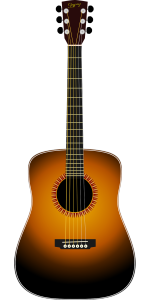
Offers competitive pricing on acoustic and electric guitar packages, accessories, and bundles—ideal for beginners. Free shipping on most orders adds value.
Woodwind & Brasswind (WWBW)
Features a 45-day return policy and flexible finance plans. Carries a broad range of brands including Martin, Taylor, and Yamaha.
Same Day Music
Known for a massive in-stock selection and free 2-day shipping, this is a favorite among buyers needing quick delivery and dependable service.
Gibson, Taylor, and Fender Official Stores
Purchasing directly from brand websites ensures authenticity, warranty, and access to exclusive models or limited editions.
Essential Accessories and Upgrades
-
Guitar Picks and Capos: Enhance your sound and expand playing techniques.
-
Tuners and Metronomes: Critical for accuracy and rhythm training.
-
Gig Bags and Hard Cases: Protect your investment on the go.
-
Straps and Stands: Improve comfort and display options.
-
Guitar Maintenance Kits: Include polish, string winders, and cleaning cloths.
Upgrading your strings or switching to coated strings can dramatically alter tone and playability.
Learning and Improving: Resources for Guitarists
Online Lessons and Courses
Sites like JustinGuitar, Guitar Tricks, and Fender Play offer structured lessons for all levels, often with free trials or subscriptions.
YouTube Channels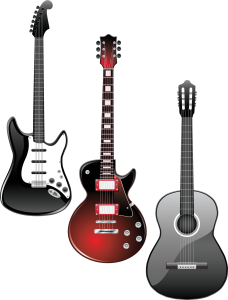
Creators like Marty Music, Paul Davids, and Acoustic Guitar Videos provide excellent tutorials and song breakdowns.
Books and Sheet Music
Start with beginner books like Hal Leonard Guitar Method or Mel Bay’s Modern Guitar Method. Digital sheet music apps like MuseScore are also invaluable.
Conclusion
The acoustic guitar remains a timeless instrument that offers unparalleled emotional expression and musical flexibility. From classic folk melodies to modern pop ballads, it continues to inspire musicians of all backgrounds and ages. Whether you’re just beginning your musical journey or are a seasoned player searching for the perfect tonewood, understanding the intricacies of acoustic guitar design and craftsmanship is key. With countless resources, brands, and communities available both online and offline, there’s never been a better time to pick up an acoustic guitar and start playing.
Underwater Photography for Beginners and Pros