
 By admin
Introduction
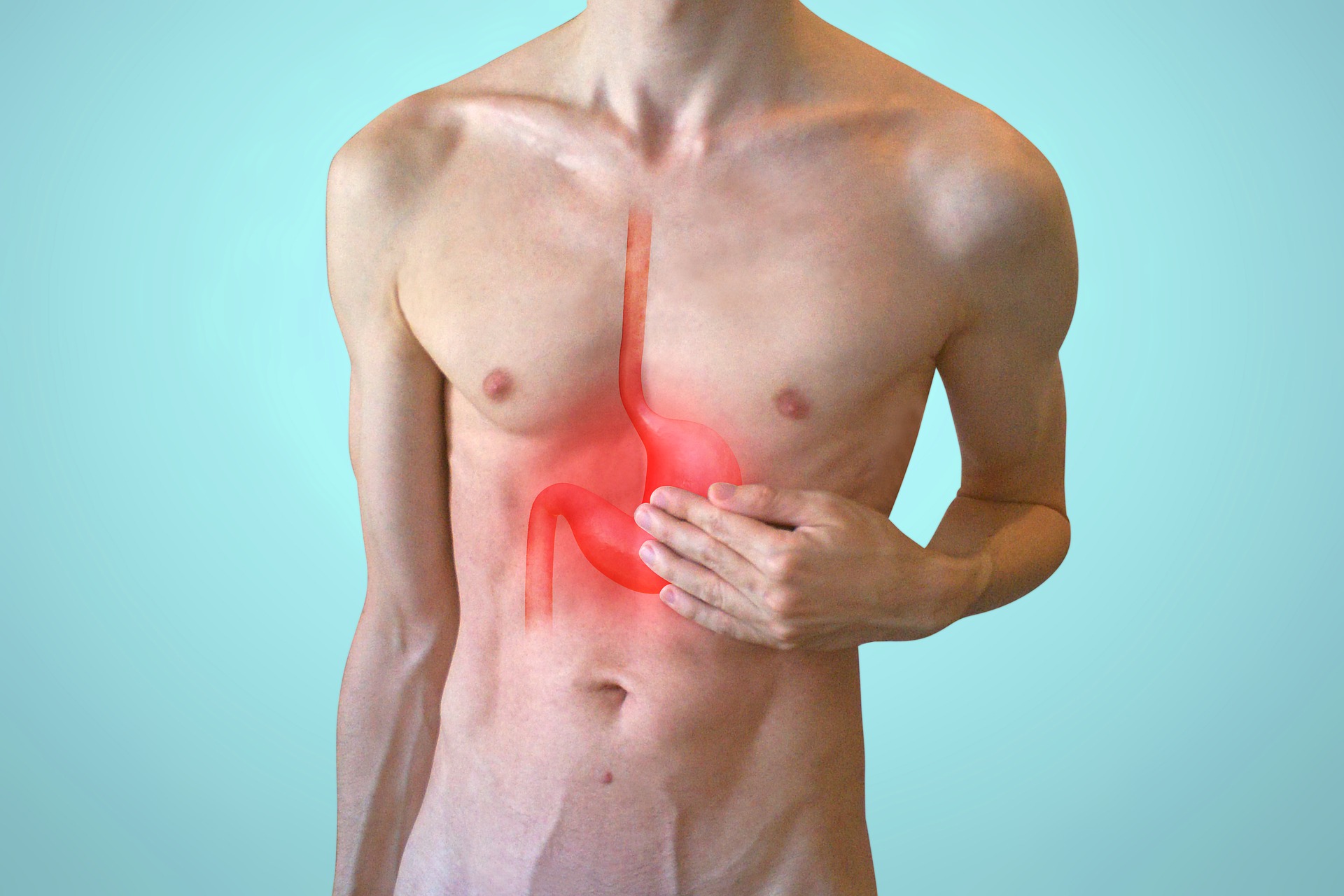
Acid reflux, also known as Gastroesophageal Reflux Disease (GERD), is a chronic digestive disorder that affects millions globally. It occurs when stomach acid frequently flows back into the esophagus, irritating its lining and causing symptoms like heartburn, chest pain, and even respiratory issues. While occasional acid reflux is common, persistent symptoms could indicate a more serious underlying condition requiring medical attention.
This article explores the modern understanding of GERD, its causes, symptoms, and complications. It also outlines current evidence-based treatments—from lifestyle changes and dietary adjustments to medications and surgical options. Whether you’re experiencing occasional discomfort or dealing with chronic reflux, understanding GERD is the first step toward relief and prevention.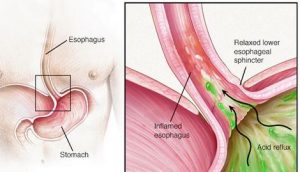
What Is Acid Reflux (GERD)?
Defining GERD
Gastroesophageal Reflux Disease (GERD) is a digestive condition that occurs when stomach acid or, occasionally, bile flows back into the esophagus. This backwash—acid reflux—can irritate the lining of the esophagus, leading to inflammation and discomfort.
While everyone experiences acid reflux occasionally, GERD is diagnosed when symptoms occur at least twice a week or when acid reflux leads to visible damage of the esophageal lining.
Who Is Affected by GERD?
Although GERD is most prevalent among adults over the age of 40, it can affect people of all ages—including infants and children. It is particularly common among:
-
Pregnant women
-
Obese individuals
-
Smokers
-
People with hiatal hernias
-
Individuals on certain medications (like NSAIDs or sedatives)
Common Symptoms of GERD
Typical Symptoms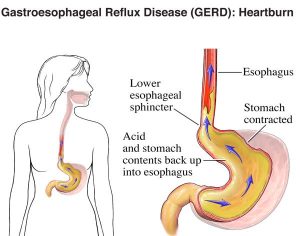
-
Heartburn: A burning sensation behind the breastbone, especially after meals or at night.
-
Regurgitation: A sour or bitter-tasting acid backing up into your throat or mouth.
-
Difficulty swallowing (dysphagia)
-
Chest pain: Often mistaken for a heart attack.
Atypical Symptoms
-
Chronic cough
-
Laryngitis or hoarseness
-
Wheezing or asthma-like symptoms
-
Frequent sore throat
-
Earaches or sinus infections
-
Dental erosion
Causes and Risk Factors
Increased Gastric Acid Production
Excess stomach acid production is a leading cause of acid reflux. Contributing factors include:
-
Consumption of spicy, fatty, or acidic foods
-
Overeating
-
Alcohol and caffeine intake
-
Smoking
Obesity and Pregnancy
Both obesity and pregnancy increase abdominal pressure, which can cause the lower esophageal sphincter (LES) to relax improperly and allow acid to flow back into the esophagus.
Hiatal Hernia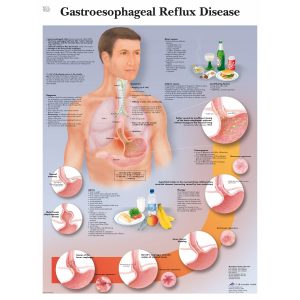
A hiatal hernia occurs when part of the stomach pushes up through the diaphragm, weakening the LES and increasing the risk of GERD.
Low Stomach Acid (Hypochlorhydria)
Ironically, insufficient stomach acid can also lead to GERD. Low acid can cause undigested food to ferment in the stomach, generating pressure and forcing contents back up into the esophagus.
GERD Complications
If left untreated, GERD can lead to serious complications, including:
-
Esophagitis: Inflammation that can cause bleeding and ulcers.
-
Esophageal Strictures: Narrowing of the esophagus due to scar tissue.
-
Barrett’s Esophagus: A precancerous condition where the esophageal lining changes.
-
Esophageal Cancer: Particularly adenocarcinoma, associated with chronic acid exposure.
Diagnosis of GERD
Doctors typically diagnose GERD based on symptom history and response to treatment. However, diagnostic tests may include:
-
Upper endoscopy: To view damage in the esophagus.
-
pH monitoring: To measure acid levels in the esophagus.
-
Esophageal manometry: To assess esophageal muscle function.
-
Barium swallow: To observe reflux visually on X-rays.
Effective GERD Treatment Options
1. Lifestyle and Dietary Changes
Eating Habits
-
Eat smaller meals: Large meals put pressure on the LES.
-
Avoid trigger foods: Common culprits include caffeine, chocolate, citrus, spicy and fried foods.
-
Stay upright after eating: Avoid lying down for at least 2-3 hours post-meal.
-
Avoid late-night snacking
Weight Management
Losing excess weight can significantly reduce pressure on the stomach and improve LES function.
Quit Smoking
Smoking weakens the LES and increases acid production. Quitting is essential for symptom relief.
2. Positional Therapy
Elevating the Head of the Bed
Raising the head of the bed by 6–8 inches helps gravity keep stomach contents down. This simple modification can lead to a 90–95% improvement in nighttime symptoms.
3. Medications
Antacids
Over-the-counter antacids like Tums and Rolaids neutralize existing stomach acid and provide quick relief.
H2 Blockers
Drugs such as ranitidine and famotidine reduce acid production and are effective for mild GERD.
Proton Pump Inhibitors (PPIs)
Medications like omeprazole and esomeprazole are among the most effective treatments. They significantly reduce acid production and promote healing of the esophagus.
Prokinetics
These drugs improve esophageal motility and stomach emptying, helpful in certain cases of GERD.
Note: Long-term use of PPIs may have side effects like nutrient malabsorption and increased risk of kidney disease, so they should be monitored by a healthcare professional.
4. Surgical Options
Nissen Fundoplication
A laparoscopic surgery where the top of the stomach is wrapped around the LES to strengthen it and prevent reflux. It’s typically recommended for:
-
Patients not responding to medication
-
Those wanting to avoid long-term drug therapy
-
Individuals with severe complications from GERD
LINX Device
A newer alternative involving a ring of magnetic beads surgically implanted around the LES. It strengthens the valve while allowing food to pass through.
Modern Trends and Research in GERD Management
Dietary Approaches
Recent studies emphasize Mediterranean-style diets, low in red meat and rich in vegetables and healthy fats, as beneficial for reducing reflux symptoms.
Role of Gut Microbiome
Emerging research suggests that gut health plays a crucial role in acid reflux. Probiotics and fermented foods may help balance the digestive system.
Digital Health and GERD Tracking
Health apps and wearable devices now allow GERD patients to track symptoms, diet, and sleep to identify personal triggers and improve management.
Conclusion
Acid reflux and GERD are more than just uncomfortable—they can seriously impact your quality of life and lead to severe health complications if ignored. However, through a combination of lifestyle changes, dietary adjustments, and proper medical treatment, GERD can be effectively managed or even prevented.
If you’re experiencing frequent heartburn or other symptoms of acid reflux, don’t wait. Early diagnosis and treatment are key to avoiding long-term damage. Consult a healthcare professional for a personalized management plan.
Smart Hair Care for Curly Hair