
 By admin
Introduction: Understanding Acne Beyond the Surface
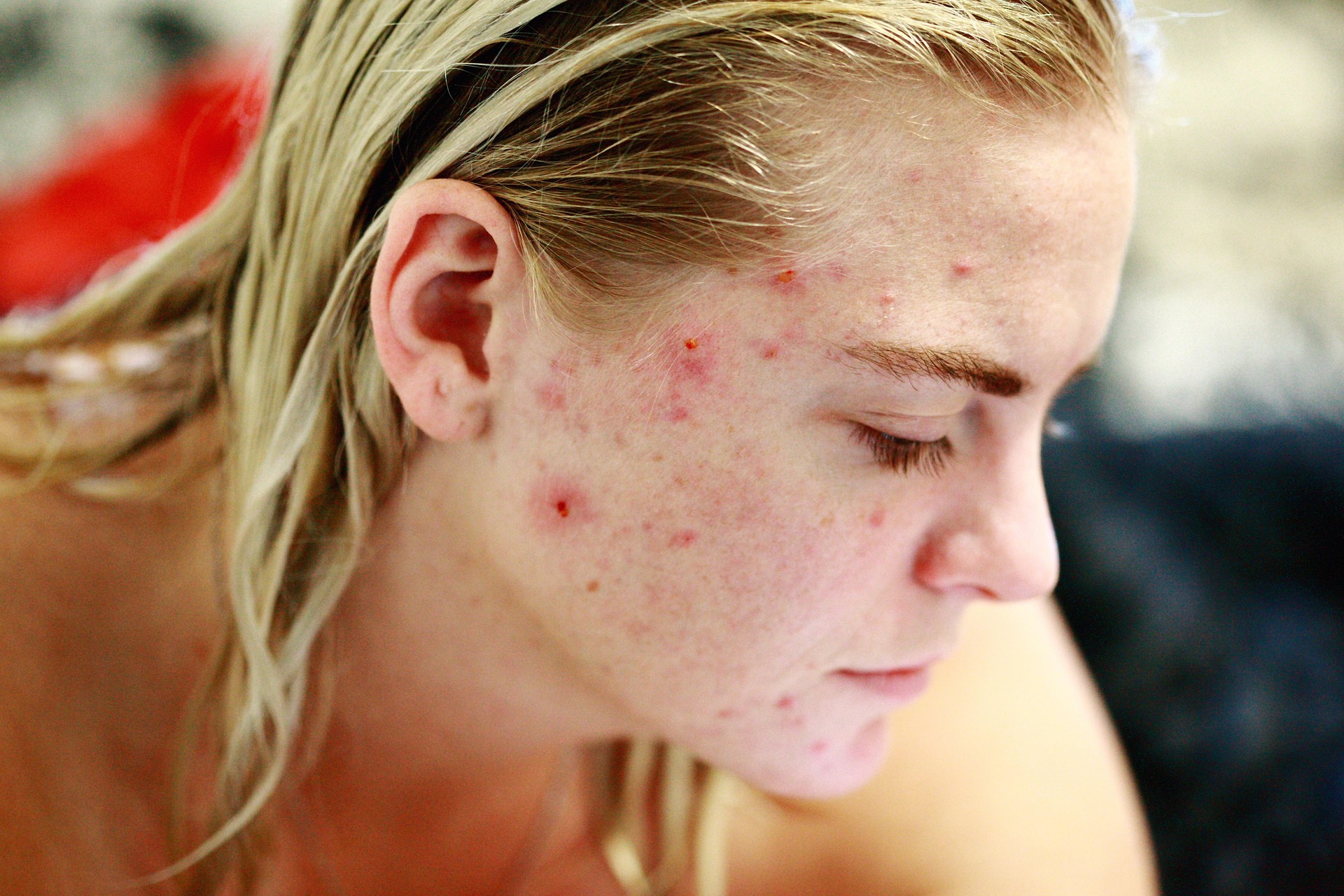
Acne is not just a skin condition—it’s a deeply personal and emotional experience, especially for adolescents. While the red bumps, blackheads, and inflamed pores are visible signs, the invisible scars—those of self-doubt, anxiety, and social withdrawal—often leave the deepest marks. For many teenagers, acne becomes a major source of emotional turmoil during a phase of life already filled with change and insecurity.
This article aims to go beyond skin-deep advice and explore holistic ways to help teens cope with acne, focusing on both dermatological treatment and emotional support. Parents and guardians play a vital role in guiding teens through this sensitive stage, offering not only medical help but also the psychological and emotional reinforcement that young people desperately need.
I. The Emotional Impact of Acne on Teenagers
1.1 Acne and Self-Esteem: A Fragile Connection
Teenagers are particularly vulnerable to the emotional effects of acne. During adolescence, appearance often becomes central to identity, and when acne interferes with self-image, self-esteem can suffer dramatically. Teens with acne may withdraw from social activities, avoid eye contact, and struggle with feelings of embarrassment or worthlessness.
1.2 Mental Health Consequences
Persistent acne can lead to more serious psychological effects such as:
-
Depression
-
Anxiety
-
Body dysmorphic disorder (BDD)
-
Social phobia
These conditions can affect school performance, relationships, and even long-term personality development if not addressed early.
II. The Role of Parents and Guardians
2.1 Providing Emotional Support
Parents should be the first line of emotional support. Constant encouragement, a listening ear, and gentle reassurances that acne is temporary can help teens put their skin issues into perspective. Avoid downplaying their emotions or dismissing their concerns, as this can deepen feelings of isolation.
2.2 Normalizing the Experience
Sharing stories—your own or those of others—about dealing with acne can normalize the experience for your teen. Remind them that many celebrities, athletes, and successful individuals also faced acne and overcame it.
III. Early Intervention With Dermatological Support
3.1 Seeking Professional Help
Timely visits to a qualified dermatologist can prevent acne from worsening and help reduce the risk of permanent scarring. A personalized skincare plan based on skin type, acne severity, and lifestyle factors is more effective than over-the-counter solutions.
Popular treatment options may include:
-
Topical treatments (benzoyl peroxide, retinoids)
-
Oral medications (antibiotics, isotretinoin)
-
Hormonal treatments (birth control pills for females)
-
Non-invasive procedures (chemical peels, light therapy)
3.2 Monitoring Progress
Consistency is key in any acne treatment plan. Parents can assist by:
-
Ensuring teens stick to the treatment routine
-
Encouraging patience, as results take time
-
Scheduling follow-ups with the dermatologist
IV. Everyday Habits That Help Manage Acne
4.1 Proper Skincare Routines
Educate your teen on proper skin hygiene without going overboard. Excessive washing or harsh scrubbing can aggravate acne rather than help it.
A balanced routine should include:
-
Gentle cleansing twice a day
-
Oil-free, non-comedogenic products
-
Regular use of prescribed treatments
-
Avoiding picking or squeezing pimples
4.2 Nutrition and Hydration
There is growing evidence that diet plays a role in acne development. High-glycemic foods, dairy, and processed snacks may trigger breakouts in some individuals.
Encourage a diet rich in:
-
Whole grains
-
Leafy greens and colorful vegetables
-
Omega-3 fatty acids (found in fish, flaxseed, walnuts)
-
Antioxidant-rich foods (berries, green tea)
Hydration is also crucial. Drinking at least 8 glasses of water daily helps flush out toxins and keeps skin healthy.
4.3 Managing Stress
Stress is a known trigger for hormonal fluctuations that worsen acne. Teens benefit from stress-management practices such as:
-
Mindfulness meditation
-
Exercise and physical activity
-
Adequate sleep
-
Creative hobbies like music or art
V. Encouraging a Positive Body Image
5.1 Celebrate Inner Qualities
Parents should actively celebrate their child’s talents, personality, and achievements. Help them see themselves beyond their appearance by affirming traits like kindness, intelligence, and creativity.
5.2 Avoid Comparisons
Encourage your teen to avoid comparing themselves with filtered social media images or seemingly perfect peers. Promote digital literacy by explaining how photo editing and filters create unrealistic standards of beauty.
5.3 Build Confidence Through Activities
Getting involved in extracurriculars—whether it’s sports, music, theater, or volunteering—can provide a sense of purpose and belonging. These experiences build self-confidence and reduce the focus on appearance.
VI. Open Communication is Key
6.1 Create a Safe Space
Make sure your teen feels comfortable sharing their feelings. You don’t always need to offer solutions—just listening can be healing. Ask open-ended questions and avoid judgment.
6.2 Involve Them in Decision-Making
Let teens take an active role in their skincare and emotional wellness journey. This gives them a sense of control and empowerment, which is vital during adolescence.
VII. When to Seek Professional Mental Health Support
If your teen shows signs of deep depression, isolation, or talks about hopelessness, it may be time to seek help from a licensed therapist or counselor. A mental health professional can provide coping strategies and help teens navigate their emotional challenges safely.
Conclusion: Acne is Temporary—Empowerment is Lifelong
While acne may feel overwhelming during adolescence, it is a temporary condition. What lasts longer is how a teen learns to cope, gain confidence, and feel supported by those around them. With the right combination of medical treatment, daily self-care, emotional support, and open communication, teens can overcome the challenges of acne and emerge stronger, more resilient, and confident in who they are—regardless of their skin.
Parents and guardians, your role is vital. Be present, be patient, and be persistent. Acne may leave temporary marks, but your support leaves a permanent impact.
How to Beat GERD Naturally and Medically