
 By admin
Introduction
It’s a common observation that some people seem to thrive on just a few hours of sleep, waking up full of energy and ready to tackle the day. Others, despite sleeping for eight or even ten hours, often wake up groggy, sluggish, and drained. This puzzling contrast raises a compelling question: Why do some people feel refreshed with minimal sleep, while others feel exhausted even after a full night’s rest?
In recent years, scientific research in sleep science, chronobiology, and genetics has provided some fascinating insights into this phenomenon. From sleep quality vs. sleep quantity, to the influence of genetics, sleep disorders, lifestyle habits, and circadian rhythms, various factors explain why sleep impacts people so differently.
This article dives deep into the science behind these contrasting experiences and explores how understanding your individual sleep profile could be the key to unlocking better rest and improved health.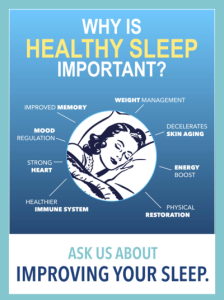
Understanding the Basics of Sleep
The Sleep Cycle: More Than Just Hours
Sleep isn’t a uniform state. It consists of multiple stages:
-
Non-REM Sleep (Stages 1–3): Light sleep to deep, restorative slow-wave sleep (SWS).
-
REM Sleep (Rapid Eye Movement): Associated with dreaming, memory consolidation, and mood regulation.
Each cycle lasts about 90 minutes and repeats 4–6 times per night. It’s not just about how long you sleep, but how well you go through these stages that determines how rested you feel.
Sleep Architecture and Its Role in Energy
People who wake up refreshed after short sleep often experience more efficient sleep architecture, meaning they transition through these stages smoothly and get high-quality deep and REM sleep in shorter timeframes. Meanwhile, some who sleep longer may have fragmented or low-quality sleep, missing out on the most restorative stages.
The Science Behind Sleep Differences
1. Genetic Influences on Sleep Needs
The “Short Sleeper” Gene
Recent studies, such as those from the University of California, San Francisco, have identified rare gene mutations like DEC2, ADRB1, and NPSR1 that allow some people to function optimally on 4–6 hours of sleep. These individuals are called natural short sleepers.
These genes impact how the brain regulates sleep homeostasis (your body’s sleep pressure) and circadian rhythms. In short, some people are genetically wired to need less sleep.
Genetic Dispositions to Poor Sleep
On the flip side, some individuals carry genetic variations linked to poor sleep quality, insomnia, or restless leg syndrome, leading to disrupted rest and less rejuvenation despite longer sleep durations.
2. Circadian Rhythms and Chronotypes
Morning Larks vs. Night Owls
Your chronotype—whether you’re a morning person or a night owl—affects how refreshed you feel upon waking. Night owls forced to wake early often feel drained, even with sufficient sleep, due to circadian misalignment.
Social Jetlag
When work schedules don’t align with your natural body clock, you may experience social jetlag, contributing to low energy and grogginess.
Lifestyle Factors That Influence Sleep Quality
1. Sleep Hygiene and Daily Habits
-
Blue light exposure at night can delay melatonin production.
-
Caffeine late in the day interferes with sleep cycles.
-
Inconsistent sleep schedules confuse the body clock.
-
Alcohol and heavy meals close to bedtime disrupt deep sleep stages.
Those who maintain good sleep hygiene often experience higher sleep efficiency, meaning they get more restorative sleep in less time.
2. Mental Health and Stress Levels
-
Chronic stress and anxiety can increase nighttime awakenings and light sleep.
-
Depression often leads to hypersomnia (too much sleep) or insomnia, both affecting how rested you feel.
People who sleep longer due to emotional fatigue may not feel better because their sleep is not truly restorative—it’s often shallow and fragmented.
3. Physical Health and Exercise
-
Regular exercise improves sleep quality and REM sleep.
-
Sedentary lifestyles are linked to poorer sleep efficiency.
-
Chronic conditions like pain, sleep apnea, or hormonal imbalances can disrupt deep sleep.
Medical and Neurological Considerations
1. Undiagnosed Sleep Disorders
Many people sleeping long hours but still waking tired may have conditions such as:
-
Obstructive Sleep Apnea (OSA): Causes repeated breathing interruptions, fragmenting sleep.
-
Narcolepsy: Involves excessive daytime sleepiness despite night sleep.
-
Restless Legs Syndrome (RLS): Causes leg discomfort that disrupts sleep.
2. Inflammation and Sleep
Research shows poor-quality sleep increases systemic inflammation, which in turn leads to fatigue. Even long sleep with high inflammation levels may not feel restful.
Psychological and Behavioral Aspects
1. Perception of Sleep Quality
Interestingly, how people perceive their sleep affects how tired they feel. Some individuals report poor sleep even when objective measures show they slept well—a phenomenon linked to sleep misperception and anxiety.
2. The Placebo Effect of Sleep
Studies have shown that people who believe they had good sleep often perform better cognitively and feel less tired—even if they didn’t sleep well. This illustrates the power of mindset in sleep quality.
How to Wake Up More Refreshed
1. Prioritize Quality Over Quantity
Rather than focusing solely on hours, aim for:
-
Consistent sleep/wake times
-
A cool, dark, quiet sleeping environment
-
Avoiding screens and stimulants before bed
2. Track Your Sleep Patterns
Using sleep trackers or apps like Oura Ring, Fitbit, or Sleep Cycle can help monitor:
-
Sleep stages
-
Restfulness
-
Heart rate variability
-
Wake times
This data provides insights into what disrupts your rest.
3. Consider Sleep Testing
If you’re consistently waking tired despite long sleep, consider a sleep study (polysomnography) to rule out conditions like sleep apnea.
4. Improve Daytime Habits
-
Get sunlight early in the day to reset your circadian rhythm.
-
Stay active to promote better sleep drive.
-
Limit naps to 20 minutes and avoid napping late in the day.
Conclusion
The difference between waking up refreshed after just a few hours of sleep and feeling drained after a long night’s rest is not a matter of luck—it’s science. From genetics and circadian rhythms to sleep quality, lifestyle choices, and medical conditions, numerous factors influence how our bodies respond to sleep.
The key takeaway is that sleep quality trumps quantity, and understanding your personal sleep biology can help you make changes that lead to more refreshing, energizing rest. Whether you’re a natural short sleeper or someone who needs a full eight hours, optimizing how you sleep can transform your day, health, and life.