
 By admin
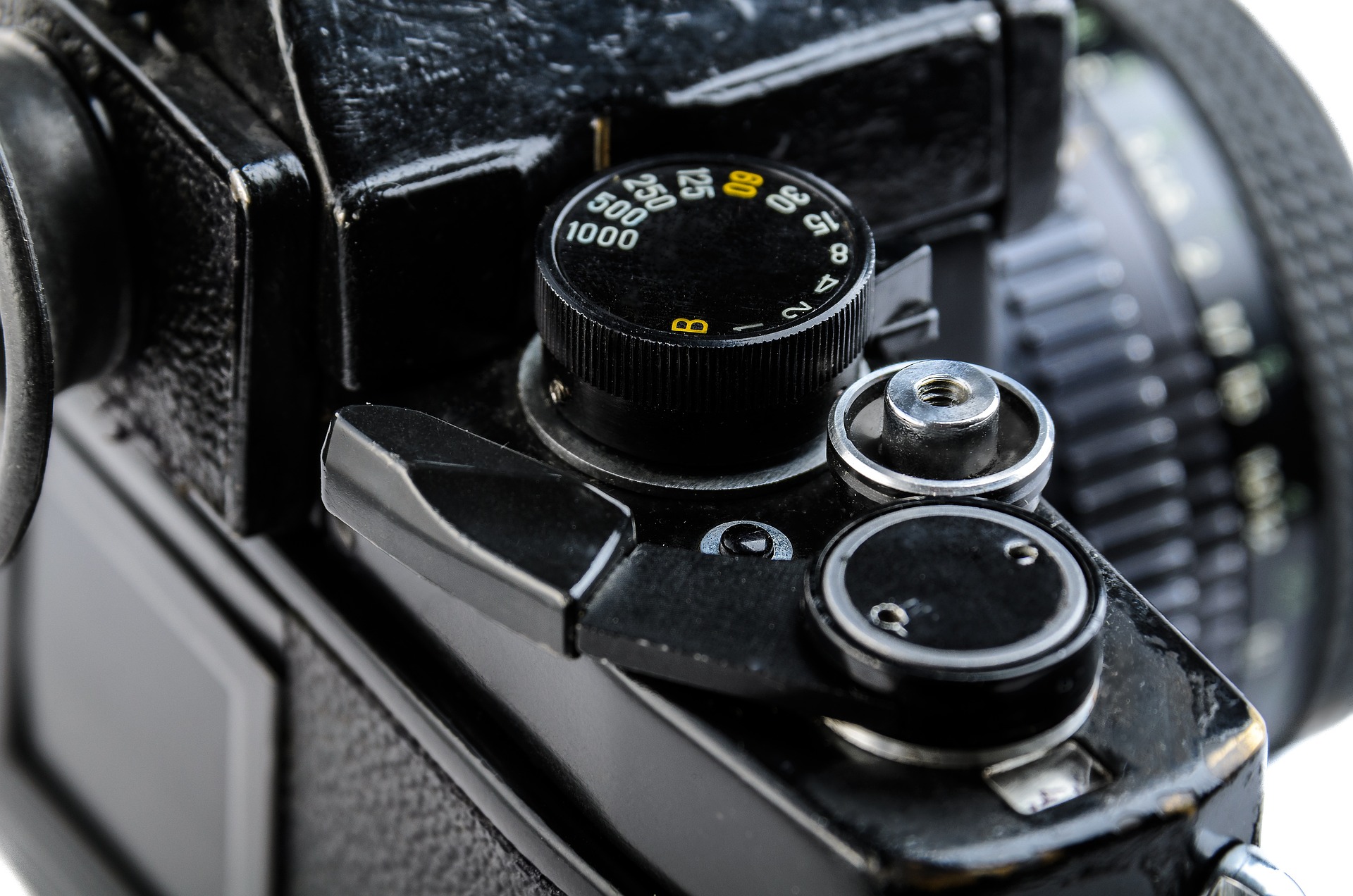
When people reflect on their most cherished memories, they often turn to photo albums, reliving significant moments preserved in images. Photographs are not mere colored prints on paper; they hold the power to evoke profound emotions, transporting us to specific instances in our lives. These emotions arise from the memories attached to those captured moments, and few occasions hold as much significance as a wedding day.
Weddings represent the beginning of a shared life journey, a day filled with love, joy, and emotional connections. Because of this, many couples entrust professional photographers to document the beauty and sentiment of their special day. A skilled wedding photographer doesn’t simply capture posed shots but patiently waits for candid, heartfelt moments that tell a unique story. To enhance their efficiency and creativity, professional photographers often work with assistants, ensuring they capture every meaningful detail and produce an album that couples will treasure forever.
But what if you are not a professional photographer? What if you wish to capture a friend’s wedding with your digital camera and create memorable images that stand the test of time?
This guide will walk you through essential techniques and professional styles to ensure that you, too, can capture stunning wedding photographs using a digital camera.
1. Mastering Backgrounds and Composition
A well-chosen background can transform a simple image into a visually appealing portrait. When photographing the couple, friends, or family members, ensure the background is clean and visually pleasing. Avoid crowded environments where distractions can draw attention away from the subjects.
If a picturesque background is available but proves too overwhelming, consider taking portraits from the shoulders up. This technique focuses attention on the couple’s expressions while minimizing distractions.
2. Managing Glasses and Glare
Guests wearing glasses often pose a challenge due to glare caused by the camera’s flash. To minimize this issue:
- Ask individuals to slightly tilt their heads downward or turn them at a slight angle.
- Adjust the lighting or reposition yourself to avoid reflecting the flash off the glasses.
By being mindful of these small adjustments, you can ensure that portraits remain flattering and free from distracting light reflections.
3. Utilizing the Zoom Function
When photographing couples or groups, make full use of your camera’s zoom feature to frame the perfect shot. Zooming allows you to adjust the composition and include only the essential subjects within the frame. For larger groups, zoom out to include everyone, while for intimate moments, zoom in to focus on the couple’s expressions and emotions.
4. Avoiding Backlighting
One of the most common mistakes in photography is shooting against a strong light source, such as the sun or indoor lighting. This often results in dark, shadowy images where the subject’s details are lost. To avoid this:
- Position the couple or group so the light source illuminates their faces.
- Use fill-flash to balance lighting and reduce shadows when necessary.
Proper lighting ensures that your images are clear, vibrant, and visually stunning.
5. Capturing Candid Moments
While posed shots have their place in wedding photography, candid photographs often capture the most authentic and emotional moments of the day. A stolen glance, a heartfelt laugh, or a tear of joy can convey more emotion than a formal portrait.
To capture beautiful candid shots:
- Stay observant and alert throughout the event.
- Avoid disrupting the flow of natural interactions.
- Be ready to photograph spontaneous moments as they unfold.
Professional photographers often prioritize candid shots to create a more dynamic and emotionally rich wedding album.
6. Remaining Vigilant and Alert
Weddings are fast-paced events where moments come and go in the blink of an eye. You may not have the opportunity to ask individuals to repeat a pose or expression, so staying vigilant is key:
- Keep your camera ready at all times.
- Anticipate key moments, such as the exchange of vows, the first dance, or the cutting of the cake.
- Be quick but unobtrusive to avoid missing important shots.
7. Ensuring Ample Storage Space
Running out of memory space during a wedding can be disastrous. To avoid missing precious moments, equip yourself with an appropriate memory card that matches your camera’s resolution and storage requirements. Consider the following recommendations:
- For 3-megapixel cameras: Use a 256 MB memory card.
- For 4-megapixel cameras: Use a 512 MB memory card.
- For 6-megapixel cameras: Use a 1 GB memory card.
Additionally, it’s wise to carry extra memory cards to ensure you can capture as many moments as possible without interruptions.
8. Prioritizing High Resolutions
If you plan to print or display your photographs, always shoot at the highest resolution your digital camera allows. High-resolution images offer superior detail and quality, making them ideal for larger prints and framed displays. While high resolutions may consume more memory space, the resulting image clarity is worth the trade-off.
9. Saving and Enhancing Your Best Shots
Your work doesn’t end once the wedding is over. Review your photos and save copies of your best shots. These images not only serve as keepsakes but also as a learning tool for improving your techniques.
Consider the following post-processing steps:
- Use photo-editing software to enhance image quality, adjust lighting, and correct imperfections.
- Organize photos into albums on your personal computer to free up memory space on your camera.
- Experiment with black-and-white filters or other creative edits to add variety and artistry to your work.
The Art of Wedding Photography: A Blend of Skill and Emotion
Photography is a beautiful art form, and wedding photography, in particular, holds a unique place in capturing love stories that last a lifetime. By combining technical knowledge, creativity, and a keen eye for emotional moments, you can produce images that evoke joy, nostalgia, and connection.
Whether you are a seasoned professional or an enthusiastic amateur, your ability to preserve a couple’s most cherished memories depends on your equipment, your preparedness, and, most importantly, your passion for photography. Remember that behind every beautiful image is a moment worth treasuring—one that tells a story of love, commitment, and celebration.
Embrace the opportunity to document these special occasions, and you’ll find that your photographs become more than just pictures; they become timeless memories that couples and their families will hold dear for generations to come.