
 By admin
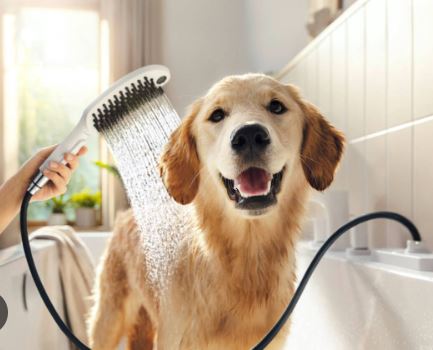
Bathing a dog is an essential part of pet care, yet it requires careful attention and proper technique to ensure the animal’s health and well-being. Poor bathing practices can expose dogs to infections, skin problems, and unnecessary discomfort. Therefore, understanding the correct way to bathe a dog, along with choosing appropriate products and determining the right frequency, is critical for maintaining a clean and healthy pet.
1. Importance of Proper Bathing Practices
Bathing a dog may seem simple, but neglecting specific precautions can lead to health complications. One of the most common issues arises when water enters a dog’s ear canals. This can occur if the ears are not adequately protected during bathing. To prevent this, it is highly recommended to plug the ears with large cotton balls before starting the bath. Failure to do so may result in water accumulation inside the ears, leading to ear infections characterized by symptoms such as:
- Constant ear discharge
- Excessive scratching of the ears
- Persistent head shaking
Ensuring a safe and controlled bathing process not only keeps the dog clean but also prevents infections that may cause discomfort or require veterinary intervention.
2. Determining the Frequency of Bathing Based on Breed
The frequency of bathing varies significantly depending on the breed, coat type, and lifestyle of the dog. Overbathing can strip the coat and skin of their natural oils, leading to dryness, irritation, and loss of protective characteristics. Below is a general guideline based on breed and coat type:
- Long-Haired Breeds (e.g., Cocker Spaniel): Long-haired dogs generally require bathing every six to eight weeks to maintain the health of their coat and prevent matting. Bathing them too frequently can damage their skin’s natural protective barrier.
- Short-Haired Breeds (e.g., Beagle, Boxer): Dogs with short coats can typically go longer between baths, often requiring a bath every eight to twelve weeks, depending on their level of activity and exposure to dirt.
- Special Situations: Dogs suffering from digestive upsets, such as diarrhea, may require immediate bathing to clean soiled areas and eliminate odor. In such cases, owners may need to bathe their pets more frequently. However, frequent baths should be approached with caution to avoid irritation.
Always consult with a veterinarian or professional groomer to determine the ideal bathing frequency for your specific breed, as individual needs can vary based on factors such as age, skin sensitivity, and underlying health conditions.
3. Choosing the Right Products for Bathing
Selecting appropriate bathing products is crucial for the dog’s health. Many pet owners unknowingly use human soaps and shampoos, which can harm a dog’s sensitive skin. Here’s why:
- Human Soaps: Soaps designed for humans often contain harsh chemicals and fragrances unsuitable for dogs. These ingredients can irritate the skin, disrupt pH balance, and lead to dryness or allergic reactions.
- Human Shampoos: Similarly, shampoos intended for humans may contain active ingredients in proportions that are not safe for dogs. Even mild human shampoos can strip the dog’s coat of essential oils and cause discomfort.
Recommendation: Always use shampoos and conditioners specifically formulated for dogs. Dog-friendly products are designed to maintain the proper pH balance of canine skin and prevent irritation. When introducing any new product, test it on a small patch of skin first to ensure there are no adverse reactions. Hypoallergenic shampoos may also be beneficial for dogs with sensitive skin or allergies.
4. Preparing for the Bathing Process
To make the bathing experience smooth and stress-free for both you and your dog, preparation is key. Follow these steps to ensure you have everything you need:
- Gather Supplies: Before beginning, gather all necessary items, including:
- Dog-friendly shampoo and conditioner
- A leash or bathing tether to keep the dog secure
- Towels for drying the dog after the bath
- A brush or comb for post-bath grooming
- Cotton balls for ear protection
- Choose the Bathing Area: Whether you bathe your dog indoors (in a bathtub) or outdoors (using a hose or portable tub), ensure the area has a steady water supply and a non-slip surface to prevent accidents. Dogs often enjoy the sensation of water, so areas like sprinklers, rivers, or even shallow pools can be suitable for outdoor bathing.
- Secure Your Dog: Use a leash or bathing tether to prevent your dog from suddenly escaping. A calm, restrained environment helps reduce stress and keeps the bathing process under control.
5. Steps to Bathing a Dog Correctly
Here’s a step-by-step guide to properly bathing your dog:
- Brush the Coat: Before wetting the dog, brush out any tangles, loose hair, or debris. This step is particularly important for long-haired breeds, as it prevents matting during the bath.
- Protect the Ears: Place cotton balls gently in the ears to prevent water from entering the ear canals. Be careful not to push the cotton balls too deep.
- Wet the Dog Thoroughly: Use lukewarm water to wet the dog’s coat, starting from the neck and working your way down to the tail. Avoid splashing water directly on the head or face.
- Apply Dog Shampoo: Dilute the shampoo if required, and apply it evenly across the coat. Gently massage the shampoo into the fur, paying attention to areas prone to dirt buildup (such as under the legs, paws, and belly).
- Rinse Completely: Rinse thoroughly to ensure all shampoo residue is removed, as leftover soap can cause skin irritation.
- Apply Conditioner (Optional): Conditioners can help soften the coat and make post-bath grooming easier. Apply a dog-friendly conditioner, let it sit for a few minutes, and rinse well.
- Dry the Dog: Use a towel to pat the coat dry. Avoid vigorous rubbing, as this can cause tangles or skin irritation. If your dog tolerates it, use a low-heat hair dryer on the lowest setting to dry the coat completely.
6. Post-Bath Care
After bathing, take the time to ensure your dog feels comfortable:
- Brush and Groom: Once the coat is dry, gently brush it to remove any remaining tangles and keep the fur looking smooth and healthy.
- Check the Ears: Remove the cotton balls and inspect the ears for any signs of redness or moisture. If necessary, clean the ears using a vet-approved ear cleaning solution.
- Reward Your Dog: End the bathing process on a positive note by rewarding your dog with treats, praise, or playtime. This helps create a positive association with bathing.
7. Making Bathing a Positive Experience
Bathing should be an enjoyable and stress-free experience for both you and your dog. Here are some tips to ensure a positive bathing session:
- Be patient and gentle throughout the process.
- Use treats and encouraging words to keep your dog calm and cooperative.
- Stick to a routine so the dog becomes familiar with the bathing process.
Conclusion
Bathing a dog is a fundamental aspect of pet care that promotes hygiene, prevents skin issues, and strengthens the bond between pet and owner. By understanding your dog’s unique needs—such as coat type, frequency of bathing, and the importance of appropriate grooming products—you can ensure the process is safe, comfortable, and effective. Proper preparation, attention to detail, and a patient approach will make dog bathing an easy and rewarding experience for both you and your furry friend.