
 By admin

The Science of Aging: Why Our Bodies Change in Leaps, Not Gradually
Introduction
For centuries, aging was believed to be a slow and continuous decline, like a candle that burns steadily until it goes out. But modern research is painting a different picture. A groundbreaking study led by Stanford University’s Professor Michael Snyder has revealed that aging does not happen as a smooth process but rather in sudden leaps, particularly between the ages of 44 and 60. These discoveries challenge traditional beliefs about human aging, highlight the importance of molecular biology, and open doors to possible interventions that may slow down or even reverse certain aspects of aging.
This article explores the new science of aging, the role of molecular changes, the connection between inflammation and age-related diseases, the influence of the gut microbiome, and the radical approaches pursued by tech entrepreneurs obsessed with longevity. Most importantly, it considers what these findings mean for ordinary people who want to stay healthier for longer.
Aging in Leaps: The Stanford Discovery
The Study Behind the Findings
Professor Michael Snyder, a geneticist and director of Stanford’s Center for Genomics and Personalized Medicine, conducted a seven-year study involving 108 volunteers aged 25 to 75. By observing molecular changes across this wide age span, researchers were able to track when the body undergoes its most dramatic transformations.
The Molecular Shifts
The research team analyzed more than 135,000 molecules, including RNA, proteins, metabolites, and even microbes such as bacteria, viruses, and fungi from the participants’ skin and gut. What they discovered was striking: the body does not deteriorate gradually but instead experiences two significant waves of molecular changes—one around the mid-40s and another in the early 60s.
Why It Matters
These molecular “shocks” may explain why people often experience the onset of chronic illnesses at specific ages. Instead of aging being a slow and constant slope downward, it seems more like a series of sharp descents separated by relatively stable periods.
Why the Body Breaks Down
Genetic and Cellular Damage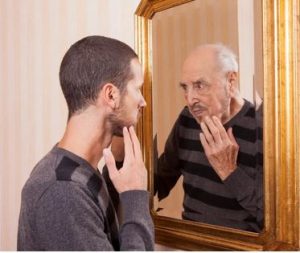
According to the Max Planck Institute, aging is largely the result of accumulated damage at the genetic, cellular, and tissue levels. Over time, the body’s ability to repair itself diminishes, leading to cellular malfunctions, tissue degradation, and ultimately, organ decline.
The Peaks of Aging-Related Illness
Snyder’s findings provide an explanation for why certain diseases cluster around specific ages. For example:
- Around 44 years old, molecular changes related to metabolic and cardiovascular health become more apparent, explaining the rise in midlife heart disease and metabolic disorders.
- Around 60 years old, molecular shifts linked to immune regulation and inflammation increase risks for arthritis, Alzheimer’s disease, and other chronic inflammatory conditions.
The Role of Molecules in Aging
Skin and Muscle Degeneration
The study showed that skin- and muscle-related molecules undergo significant changes in midlife and later life. This explains why people often notice visible signs of aging—wrinkles, sagging skin, reduced muscle tone—during these two critical windows.
Metabolic and Cardiovascular Molecules
By the mid-40s, molecules associated with metabolic efficiency and heart health start to alter, laying the groundwork for obesity, diabetes, and heart disease.
Immune System Molecules
By the early 60s, molecules tied to immune function shift dramatically. This results in a weaker immune response, higher inflammation, and a greater likelihood of developing autoimmune and degenerative diseases.
The Inflammation Factor
Chronic Inflammation as a Driver of Aging
One of the most consistent findings across aging studies is the role of chronic low-grade inflammation, sometimes called “inflammaging.” According to the Max Planck Institute, this silent inflammation damages tissues and accelerates age-related decline.
Inflammation and Disease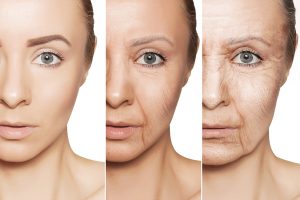
Research published in the National Library of Medicine highlights that inflammation not only damages tissue but also promotes diseases like obesity, type 2 diabetes, arthritis, and cardiovascular disease.
The IL-11 Discovery
A recent study in Nature suggests that blocking an inflammatory protein called IL-11 can slow aging. Experiments on mice showed that inhibiting IL-11 extended their lifespans and improved their health, raising hopes for future anti-aging therapies in humans.
The Gut Microbiome: The Hidden Key to Longevity
The Decline of Microbial Diversity
As people age, the diversity of bacteria in the gut diminishes, while harmful bacteria increase. This imbalance, or dysbiosis, contributes to inflammation, poor digestion, and vulnerability to disease.
The Case of the “Super-Agers”
According to research from the Max Planck Institute, individuals who remain healthy and live to very advanced ages often share a unique trait: their gut microbiome resembles that of much younger individuals. They maintain higher microbial diversity and harbor bacteria linked to resilience against disease.
The Dream of Living Forever
The Radical Vision of Tech Entrepreneurs
For some, staying healthy into old age is not enough. Figures like Bryan Johnson, a 46-year-old tech billionaire, are pushing the boundaries of longevity science. Johnson considers the fight against aging “the most important revolution in human history.”
His Extreme Anti-Aging Routine
According to Time magazine, Johnson’s daily regimen includes:
- Taking 111 pills a day.
- Wearing a red-light therapy cap aimed at stimulating brain function.
- Submitting daily stool samples for microbiome tracking.
- Monitoring his nightly erections as a marker of vascular health.
For Johnson, every poor lifestyle choice—whether junk food, alcohol, or lack of sleep—is an “act of violence” against the body.
Lifestyle Choices: The Real Secret to Healthy Aging
Lessons from Stanford’s Research
Despite the hype surrounding futuristic longevity projects, Professor Snyder emphasizes a more practical approach: taking care of health early in life. Adopting healthy habits before significant molecular changes occur could delay or reduce the impact of aging’s molecular shocks.
Key Healthy Aging Strategies
- Nutrition: A balanced diet rich in fiber, antioxidants, and omega-3s supports gut health and reduces inflammation.
- Exercise: Regular physical activity preserves muscle, strengthens the heart, and improves immunity.
- Sleep: Quality sleep enhances cellular repair and hormone regulation.

- Stress Management: Meditation, mindfulness, and relaxation techniques lower chronic stress and inflammation.
- Avoiding Toxins: Limiting alcohol, tobacco, and ultra-processed foods prevents cellular damage.
Conclusion
The latest research reshapes our understanding of aging, showing it occurs in sudden leaps rather than a slow, steady decline. These molecular shifts, particularly between the ages of 44 and 60, explain why people are more vulnerable to certain diseases at specific life stages. While cutting-edge research into inflammation blockers and microbiome health offers hope for the future, the most powerful tools remain within our control: lifestyle choices made early and maintained consistently.
Whether one dreams of simply aging gracefully or chasing the radical goal of immortality, the science is clear—healthy aging starts now.
How to Add Strawberries to Your Diet Daily