
 By admin
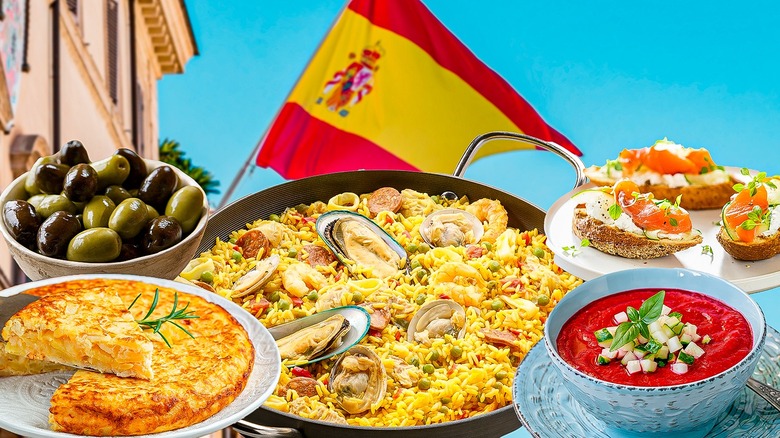
Discover the Sweet Side of Spain: Seven Iconic Spanish Desserts You Must Try
Introduction
Spain is widely celebrated for its tapas, paella, and world-class wines. Yet, many food lovers overlook an equally delightful aspect of Spanish cuisine: its desserts. Spanish sweets offer a vibrant blend of flavors, textures, and cultural influences, shaped by Mediterranean traditions, Arab heritage, and centuries of regional creativity. From velvety custards and creamy cheesecakes to crispy, fried delights, Spanish desserts represent a culinary journey that goes far beyond the famous churro.
In this article, we explore seven traditional Spanish desserts that everyone should taste at least once. Each treat tells a story of history, culture, and family tradition. Whether you are a passionate foodie, a traveler planning your culinary itinerary, or someone who loves experimenting in the kitchen, these Spanish sweets will inspire your palate and enrich your knowledge of Spain’s rich gastronomic heritage.
1. Crema Catalana: The Creamy Jewel of Catalonia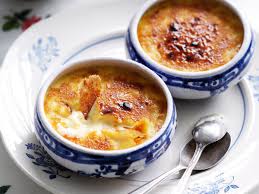
A Spanish Twist on Crème Brûlée
One of the most iconic desserts in Spain is Crema Catalana, often compared to the French crème brûlée. This indulgent custard combines milk, egg yolks, sugar, cinnamon, and lemon zest. What sets it apart is its unique flavor profile—aromatic cinnamon and citrus notes that balance the sweetness perfectly.
The Art of the Caramelized Crust
The signature touch of Crema Catalana is its thin layer of caramelized sugar, traditionally achieved using a small iron or kitchen torch. When cracked with a spoon, the crunchy topping reveals a smooth, delicate custard beneath. The contrast in textures makes it a beloved choice across Spain, particularly during Saint Joseph’s Day (March 19th).
Regional Significance
Although associated with Catalonia, this dessert is now popular nationwide and served in both homes and upscale restaurants. It symbolizes the perfect blend of simplicity, elegance, and tradition.
2. Tarta de Queso: Spain’s Creamy Cheesecake
A Different Kind of Cheesecake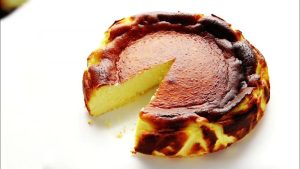
Unlike the dense American cheesecake, the Spanish Tarta de Queso offers a lighter, creamier experience. Traditionally made with “queso crema” (cream cheese) or fresh local cheese, it is blended with sugar, eggs, and vanilla to create a custard-like texture that melts in the mouth.
Basque Burnt Cheesecake: A Modern Twist
In recent years, the Basque Burnt Cheesecake, originating in San Sebastián, has gained international fame. Unlike the traditional version, it is baked at a high temperature, creating a caramelized, slightly burnt exterior while maintaining a creamy, gooey center. Food critics worldwide praise it for its rustic look and irresistible flavor.
Why It Stands Out
The tarta de queso reflects Spain’s culinary philosophy: minimal ingredients, high-quality produce, and maximum flavor. Whether served plain or topped with fruit, it remains a comforting and universally loved dessert.
3. Churros con Chocolate: Spain’s Famous Street Sweet
A National Symbol of Spanish Sweets
Churros are undoubtedly the most internationally recognized Spanish dessert. These golden, deep-fried pastries, often sprinkled with sugar, are best enjoyed dipped in thick, hot chocolate. In Spain, churros con chocolate are a traditional breakfast or late-night snack, especially after a night of festivities.
Regional Variations
Different regions prepare churros in unique ways. In Madrid, they are long and thin, while in Andalusia, porras—a thicker version—are common. Regardless of the variation, the ritual of sharing churros with friends and family remains a cherished social tradition.
The Chocolate Factor
Spanish hot chocolate is not your average cocoa drink. It is thick, rich, and almost pudding-like, making it perfect for dunking churros. This pairing is so iconic that it has become a cultural ritual, enjoyed in cafés across the country.
4. Flan de Huevo: The Classic Caramel Custard
A Dessert of Simplicity and Elegance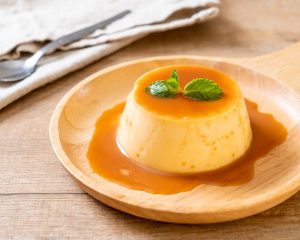
Few desserts are as universally adored in Spain as flan de huevo. This smooth custard dessert, made with eggs, sugar, and milk, is topped with a luscious caramel sauce that balances its sweetness.
A Culinary Legacy
Introduced by the Romans and perfected by Spanish households, flan has become a staple at family gatherings, Sunday meals, and festive occasions. Its simplicity allows the natural flavors of eggs and caramel to shine through.
Endless Variations
While the traditional flan remains the favorite, variations with coffee, coconut, or condensed milk showcase Spain’s creativity in dessert-making. Each region adds its own flair, making flan a truly versatile treat.
5. Torrijas: Spain’s Sweet Take on French Toast
A Holy Week Tradition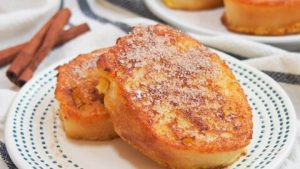
Torrijas are slices of bread soaked in milk or wine, coated in egg, fried, and sprinkled with sugar and cinnamon. They are often compared to French toast but carry deeper cultural significance in Spain.
Symbol of Tradition and Faith
Torrijas are particularly associated with Semana Santa (Holy Week). Historically, they were a way to use up leftover bread during Lent, when meat consumption was restricted. Today, they are a festive treat enjoyed across Spain in springtime.
Flavorful Variations
Modern versions of torrijas may be infused with honey, anise, or citrus, giving them new depth. Some chefs elevate them with gourmet touches, making them a star of contemporary Spanish pastry menus.
6. Turrón: Spain’s Festive Nougat
A Christmas Favorite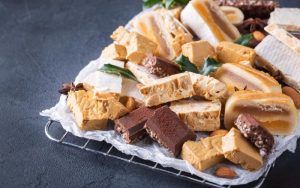
No Spanish Christmas is complete without turrón, a nougat-like confection traditionally made from almonds, honey, sugar, and egg whites. Its origins trace back to Moorish influence, and it has remained a holiday staple for centuries.
Two Main Types
- Turrón de Jijona: Soft and chewy, made from ground almonds.
- Turrón de Alicante: Hard and crunchy, with whole almonds.
Beyond Christmas
Although traditionally consumed during Christmas, modern variations of turrón are available year-round. Artisanal producers now experiment with chocolate, fruits, and exotic flavors, making it a versatile sweet gift and international export.
7. Ensaimada: The Spiral Pastry of Mallorca
A Pastry with Centuries of History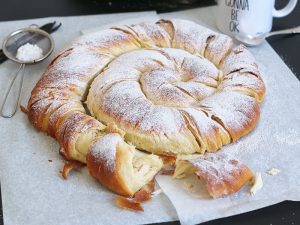
Originating from the island of Mallorca, the ensaimada is a light, spiral-shaped pastry dusted with powdered sugar. Its name comes from “saïm,” the Catalan word for lard, which gives the pastry its unique texture and flavor.
A Versatile Treat
Ensaimadas can be enjoyed plain or filled with cream, chocolate, or even pumpkin jam (cabello de ángel). They are often served at breakfast or as a snack, paired with coffee or hot chocolate.
Cultural Pride
Recognized as a symbol of Mallorca’s culinary heritage, ensaimadas are often brought home by travelers as edible souvenirs. Their soft layers and delicate sweetness make them a timeless delight.
Conclusion: A Culinary Journey Through Spain’s Sweet Heritage
Spanish desserts are more than just sweet treats—they are cultural symbols that reflect the history, traditions, and creativity of each region. From the rich custards of Catalonia to the festive nougats of Alicante, these desserts capture the essence of Spain’s culinary diversity.
Whether you are visiting Spain, exploring its cuisine at home, or simply curious about global gastronomy, these seven iconic Spanish desserts offer an unforgettable taste experience. They remind us that food is not only about flavor but also about heritage, celebration, and connection.
So, the next time you think of Spanish cuisine, go beyond tapas and paella—discover the sweet treasures that make Spain a paradise for dessert lovers.
Elevating Your Raclette Experience